Table of Contents
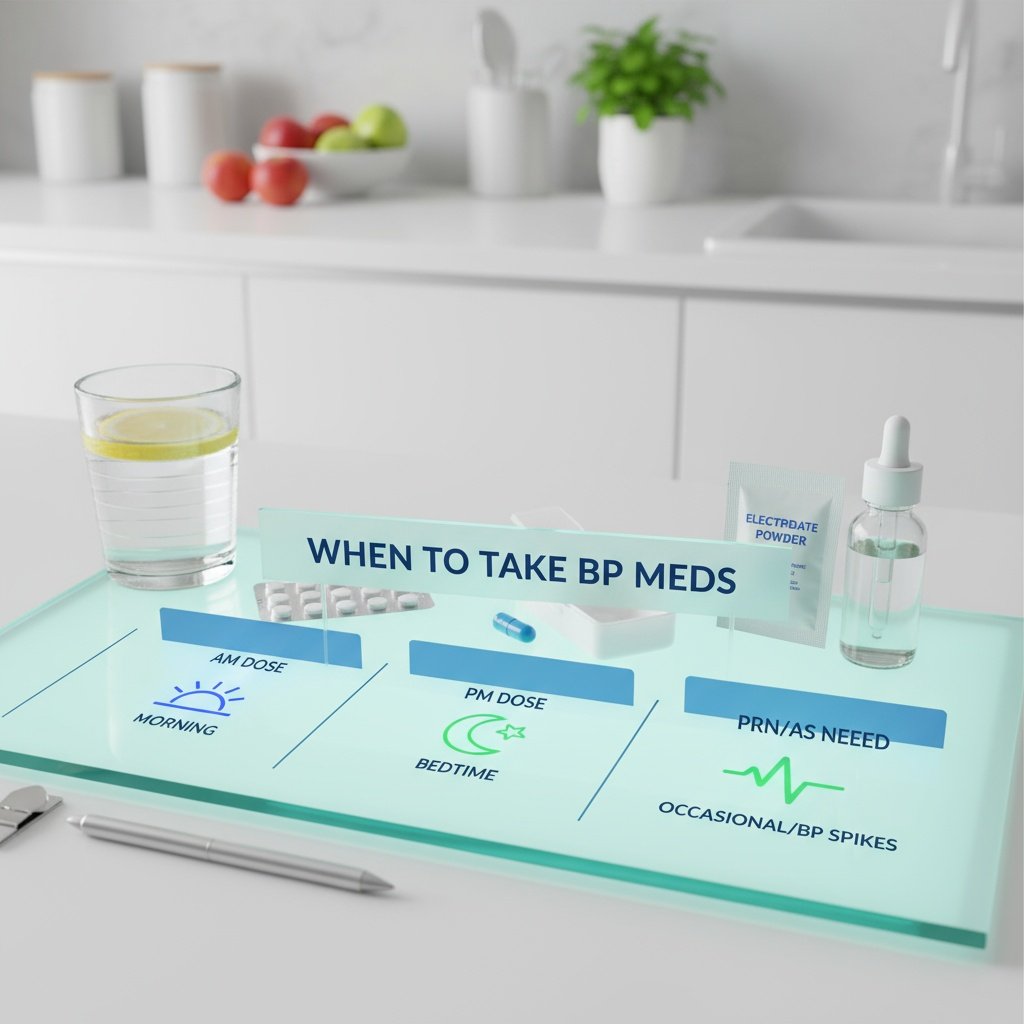
Are you taking your blood pressure medication at the best time of day? It might surprise you to learn that when to take bp meds can significantly impact how well they work to control your hypertension and support your overall heart health. Many people focus on simply remembering to take their pills, but the timing could be a crucial, often overlooked, piece of the puzzle for managing high blood pressure and preventing serious complications like heart attacks and strokes. This post will dive into the science behind medication timing and give you actionable advice to optimize your treatment.
Why It Matters: The Power of Timing for Your Health
High blood pressure, or hypertension, is a silent killer, often causing no symptoms until it leads to severe health problems. For individuals managing chronic conditions like diabetes or aiming to prevent heart disease, consistent and effective blood pressure control is paramount. Did you know that our blood pressure naturally dips at night and rises in the morning? This “circadian rhythm” of blood pressure means that specific medication timing can better flatten those morning spikes, which are often linked to a higher risk of cardiovascular events. Research from the European Heart Journal highlights that taking blood pressure medication at night could lead to better control and reduced risk of complications for some patients. Optimizing when to take bp meds isn’t just about adherence; it’s about maximizing protection for your vital organs.
Step-by-Step Guide: Finding Your Best Medication Schedule
Optimizing when to take bp meds isn’t a one-size-fits-all approach, but these steps can help you work with your doctor to find what’s best for you.
1. Understand Your Current Medication
- Know Your Dose: Be clear on the name of your medication, the dosage, and how often you’re supposed to take it.
- Active Ingredients: Some medications have longer-lasting effects than others.
2. Discuss with Your Doctor
- Open Conversation: Always talk to your healthcare provider before changing your medication schedule.
- Share Your Routine: Describe your daily activities, sleep patterns, and any side effects you might be experiencing.
3. Monitor Your Blood Pressure Regularly
- At-Home Monitoring: Regularly check your blood pressure at different times of the day (morning, afternoon, evening).
- Log Your Readings: Keep a journal or use a digital tracker. This data is vital for your doctor. ✅
4. Consider Nighttime Dosing
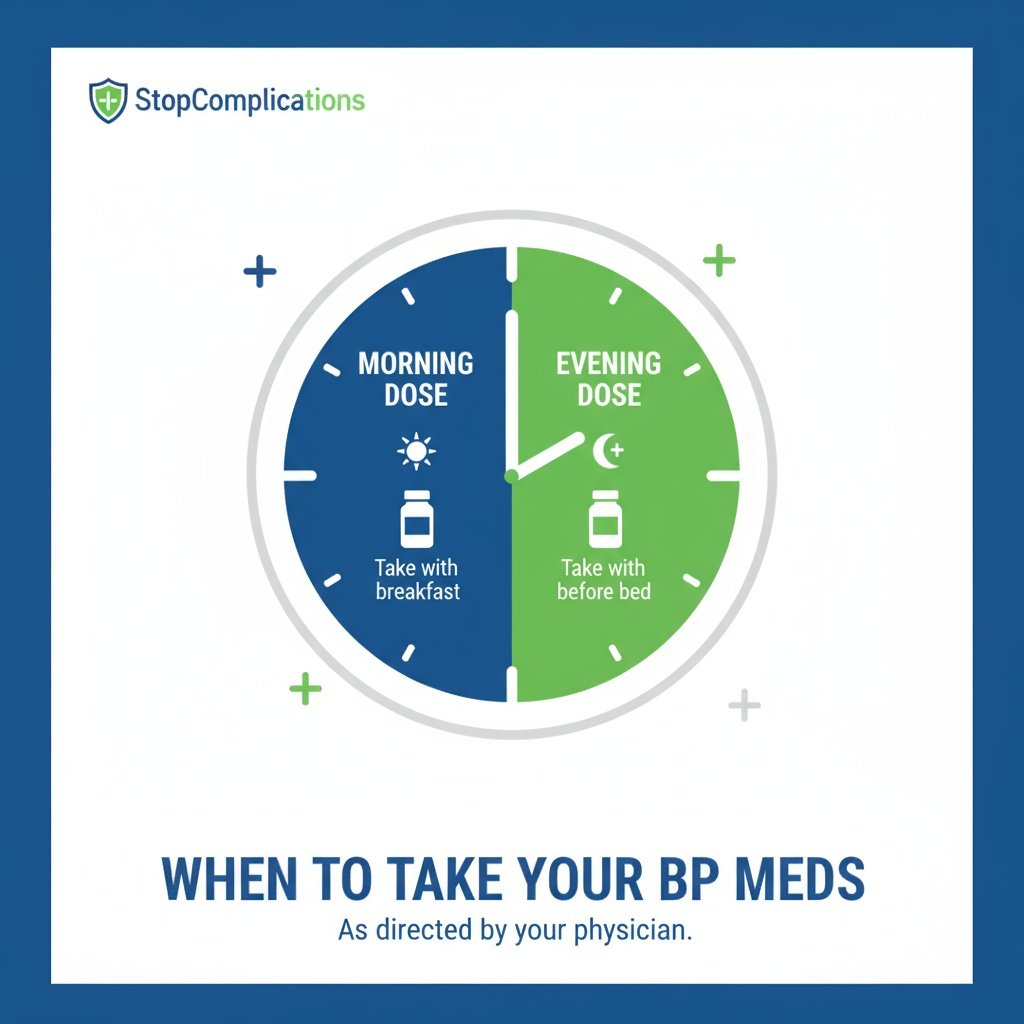
- Evidence Suggests: Studies have shown that nighttime dosing might be more effective for certain individuals.
- Side Effect Awareness: Discuss potential nighttime side effects (e.g., increased urination) with your doctor.
5. Be Consistent
- Routine is Key: Once you and your doctor establish a timing, stick to it. Consistency is crucial for medication effectiveness.
- Set Reminders: Use your phone, an alarm, or a pillbox to help you remember.
Expert Insight
- Many common blood pressure medications, especially those that block the renin-angiotensin system (ACE inhibitors and ARBs), have been shown in some studies to have enhanced benefits when taken in the evening, potentially due to better alignment with the body’s natural blood pressure rhythms.
- However, individual responses vary. It’s crucial to consider personal factors like the type of medication, how your body processes it, and any other health conditions. A personalized approach guided by your doctor is always best.
Common Mistakes to Avoid
- Stopping Medication Abruptly: Never stop taking your blood pressure medication without consulting your doctor, even if you feel better. This can lead to dangerous blood pressure spikes.
- Correction: Always work with your healthcare provider to adjust your treatment plan.
- Missing Doses Regularly: Inconsistent medication intake significantly reduces its effectiveness.
- Correction: Use reminders, pill organizers, and incorporate medication taking into a daily routine.
- Self-Adjusting Timing: Deciding on your own when to take bp meds without medical guidance can be ineffective or even harmful.
- Correction: Discuss any desired changes with your doctor and monitor your blood pressure closely under their supervision.
- Ignoring Side Effects: Brushing off noticeable side effects could indicate your timing or medication needs adjustment.
- Correction: Report all side effects to your doctor promptly.
How to Track or Apply It
Applying these tips to your daily life involves being proactive and organized. Start by discussing your current medication schedule with your doctor, asking when to take bp meds for optimal results. Then, commit to consistent at-home blood pressure monitoring.
You can easily track your blood pressure readings, medication times, and any symptoms using a simple notebook, a smartphone app, or even printable logs. StopComplications offers free tools that can help you log your daily measurements and medication times, providing valuable data for your next doctor’s visit. Consistent tracking empowers you and your healthcare team to make informed decisions about your treatment plan.
Conclusion
Understanding when to take bp meds is more than just a scheduling preference; it’s a strategic move to better manage your hypertension, reduce your risk of cardiovascular events, and safeguard your long-term health. While the science often points to potential benefits of nighttime dosing for some, the most effective timing is always personalized and should be decided in close consultation with your healthcare provider. Small steps today can prevent big complications tomorrow.
Take control of your health journey! Visit StopComplications.com today for more expert insights, practical guides, and to download our free tools and ebooks designed to help you prevent complications of chronic diseases. Your heart will thank you!
FAQs: Your Questions Answered
Q: Is there a universal “best time” to take all blood pressure medications?
A: No, there isn’t a universal best time for everyone. It depends on the specific medication, its half-life, your individual blood pressure patterns, and your doctor’s recommendations. For some, morning works best, while for others, evening dosing may be more effective.
Q: Can I split my dose if I’m taking multiple blood pressure medications?
A: You should never split doses or adjust your medication schedule without explicit instruction from your doctor. Some medications are formulated for specific release times, and altering them could reduce their effectiveness or increase side effects.
Q: What if I forget to take my blood pressure medication?
A: If you realize you’ve missed a dose soon after the scheduled time, take it. However, if it’s almost time for your next dose, skip the missed one and continue with your regular schedule. Do not double up on doses. If you frequently miss doses, talk to your doctor about strategies to improve adherence.
Q: Will insurance cover a blood pressure monitor for home use?
A: Coverage for at-home blood pressure monitors varies by insurance plan and region. It’s best to check with your insurance provider directly. Many doctors recommend home monitoring, and some plans may cover a portion of the cost, especially if you have a diagnosis of hypertension or related conditions.