Table of Contents
Are you one of the millions of Americans silently battling high blood pressure, or perhaps looking for a smart way to prevent it? Did you know that what you eat can be your most powerful tool in this fight? If you’re searching for “dash diet for beginners” information that’s easy to understand and put into action, you’ve landed in the right place. The DASH (Dietary Approaches to Stop Hypertension) diet isn’t just a trend; it’s a scientifically proven eating plan designed to lower blood pressure and improve overall heart health. And the best part? It’s not about deprivation, but about delicious, sustainable food choices you can make every day.
Introduction
Ever wonder if there’s a simple, effective eating plan that can dramatically improve your heart health and potentially reduce your reliance on medications? Many people facing chronic conditions like hypertension, diabetes, and heart disease feel overwhelmed by conflicting dietary advice. The good news is, there’s a clear path forward: the DASH diet. It’s often recommended by doctors, and for good reason! This post will walk you through the dash diet for beginners, offering actionable solutions to help you take control of your well-being with delicious, everyday foods.
Ingredients List
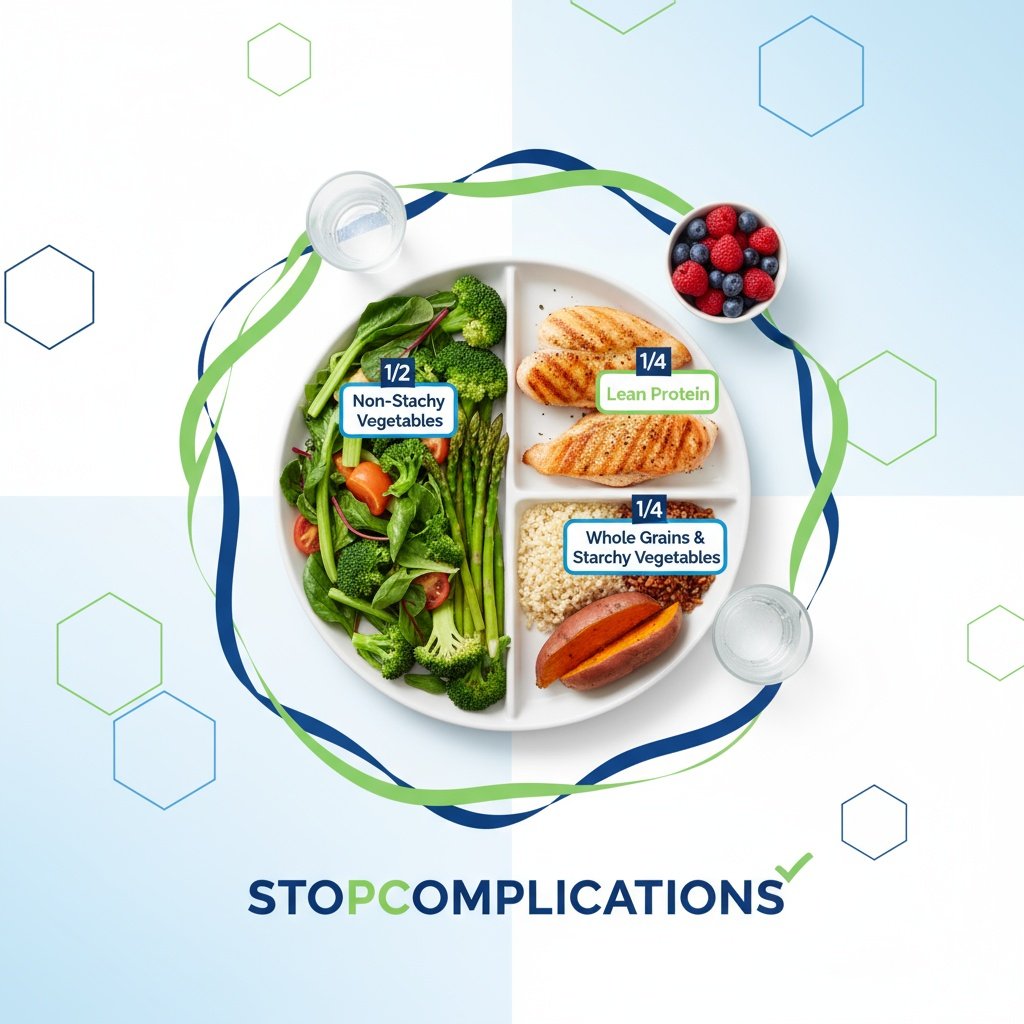
To help you visualize what a DASH-centric kitchen looks like, here’s a glance at the staples you’ll be enjoying!
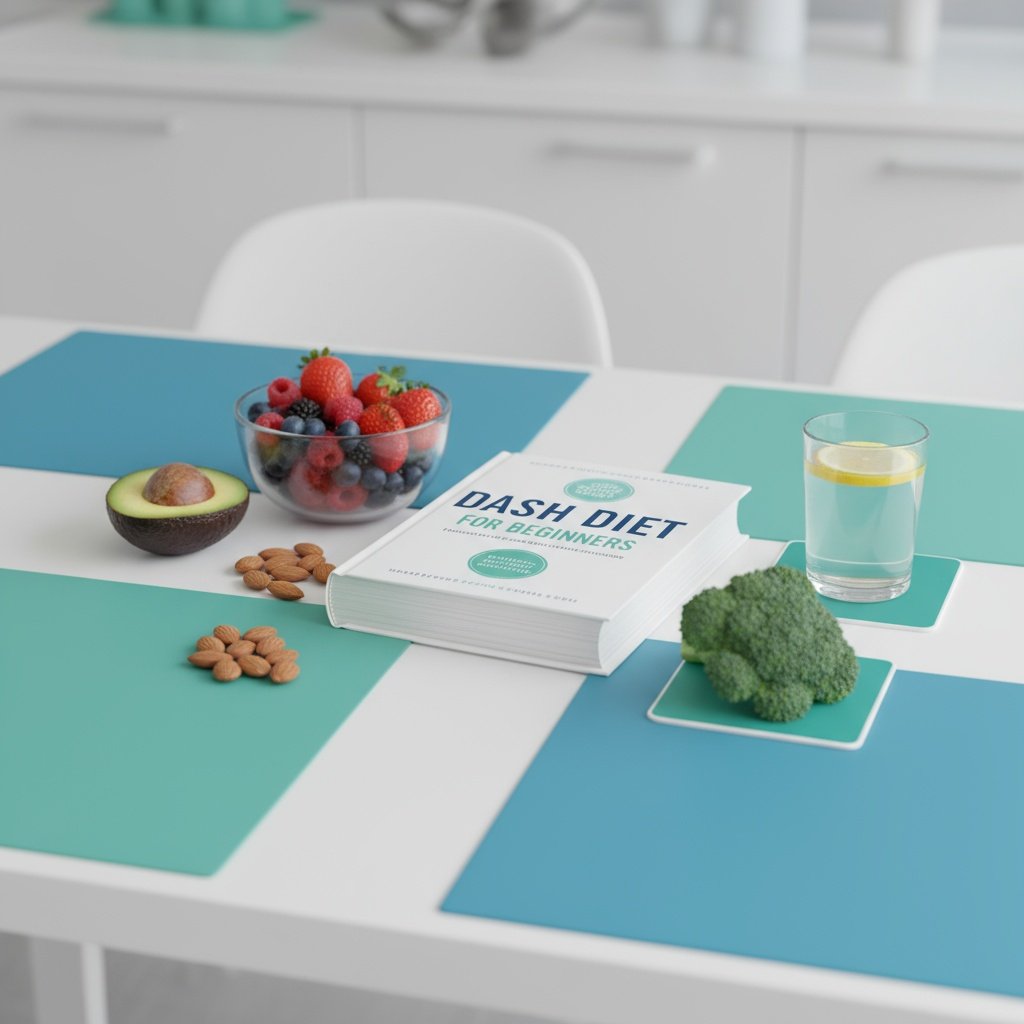
- Plenty of Fruits & Vegetables:
- Fruits: Berries, bananas, apples, oranges, peaches, grapes.
- Veggies: Spinach, kale, broccoli, carrots, bell peppers, sweet potatoes.
- Substitutions: Frozen or canned (low-sodium, no sugar added) options are great when fresh isn’t available.
- Whole Grains:
- Options: Whole wheat bread, brown rice, oatmeal, whole wheat pasta, quinoa.
- Substitutions: Look for “whole grain” as the first ingredient on labels.
- Lean Protein Sources:
- Options: Chicken breast (skinless), fish (salmon, tuna, cod), lean cuts of beef or pork, beans, lentils, tofu.
- Substitutions: Plant-based proteins like edamame or chickpeas are excellent swaps.
- Low-Fat or Fat-Free Dairy:
- Options: Skim milk, low-fat yogurt, low-fat cheese.
- Substitutions: Unsweetened almond milk or soy milk can be used if you’re dairy-free, but check for added sugars.
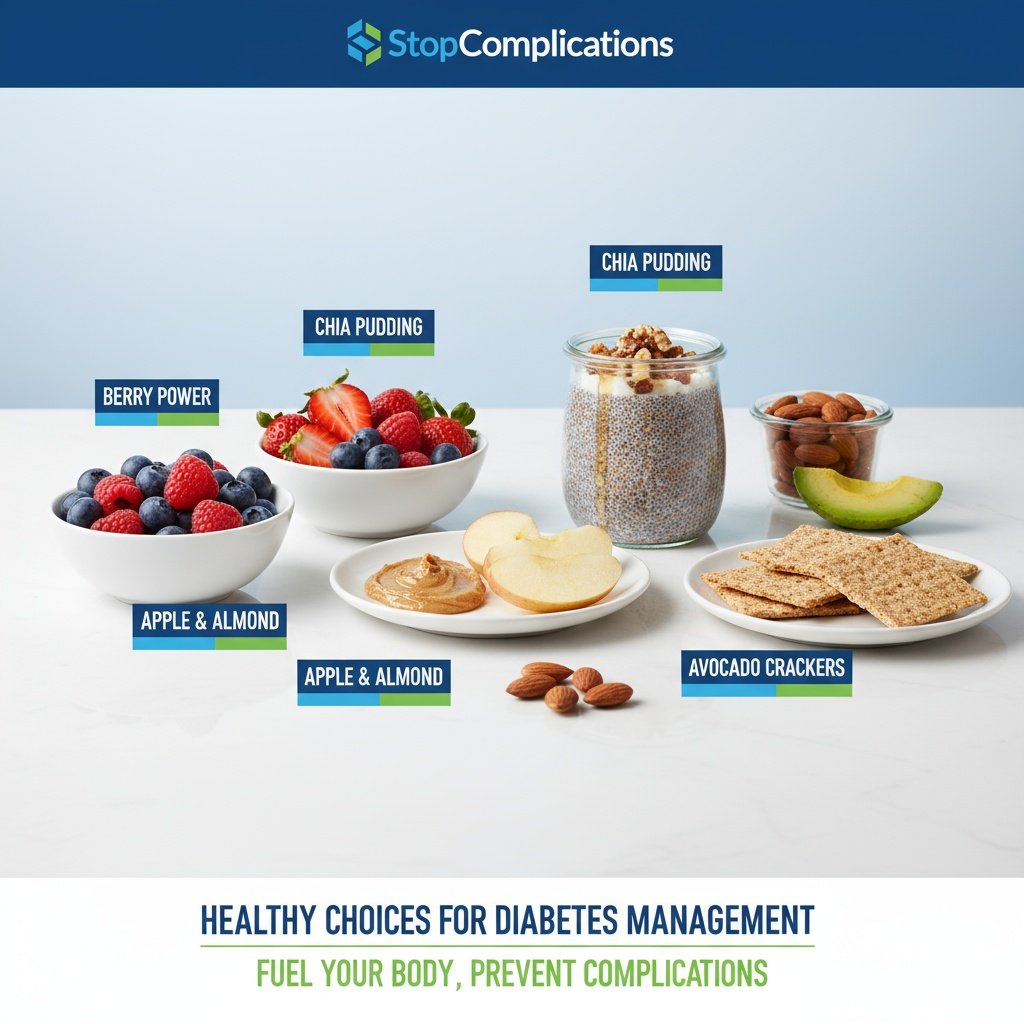
- Healthy Fats, Nuts, & Seeds:
- Options: Avocados, olive oil, almonds, walnuts, chia seeds, flax seeds.
- Substitutions: Choose unsalted varieties of nuts and seeds.
- Limited Sweets & Added Sugars:
- Focus: Enjoy natural sweetness from fruits instead.
- Note: The DASH diet is about balance, so small, occasional treats are okay.
Why It Matters
High blood pressure, or hypertension, is a silent killer, significantly increasing your risk of heart attack, stroke, and kidney disease. In fact, nearly half of all adults in the U.S. have high blood pressure, and many don’t even know it. For those managing diabetes or previous heart-related issues, maintaining healthy blood pressure is even more crucial. The DASH diet isn’t just about lowering numbers on a chart; it’s about protecting your organs, improving your energy levels, and adding quality years to your life. Studies consistently show that following the DASH diet can reduce systolic blood pressure by an average of 5-6 mmHg for those with normal blood pressure and 8-11 mmHg for those with high blood pressure, often within just a few weeks. It’s a powerful, evidence-backed tool in your health toolkit.
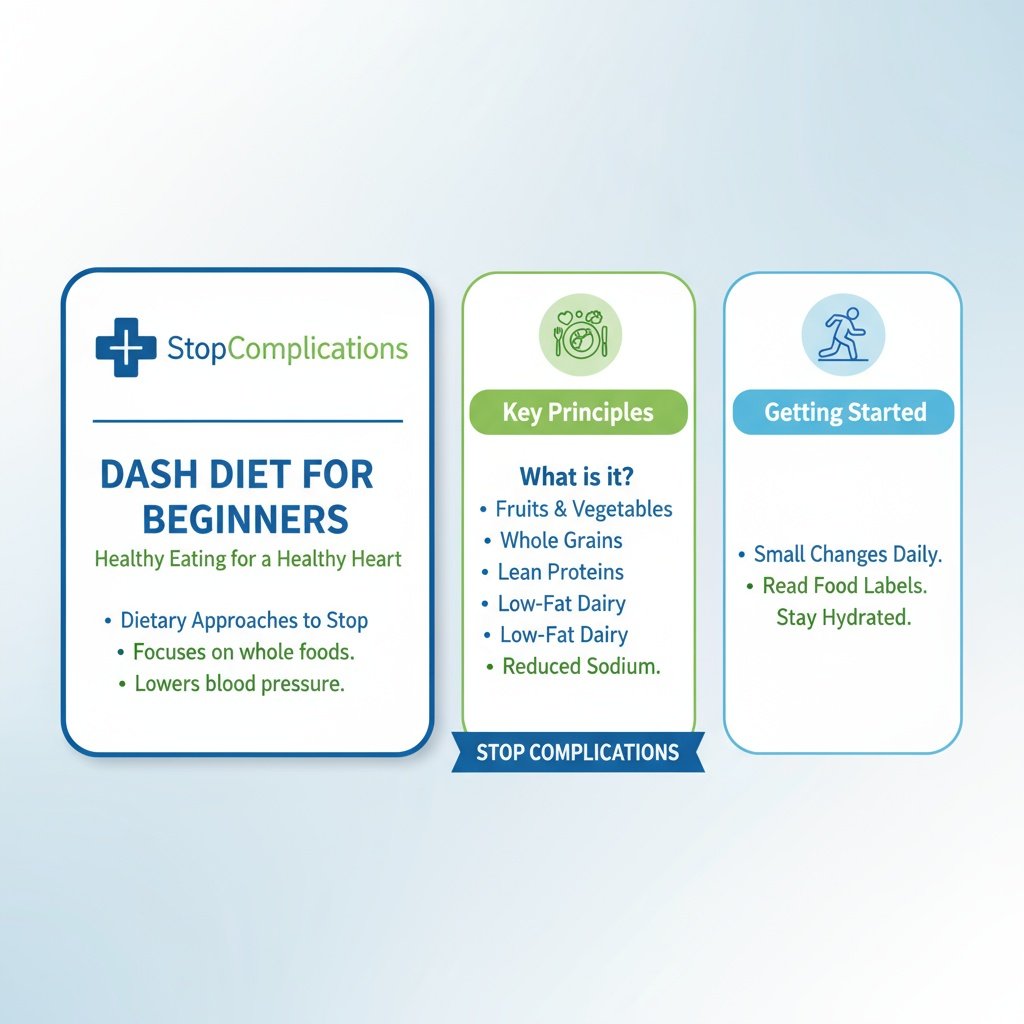
Step-by-Step Guide / Practical Tips for Beginners
Getting started with the DASH diet is simpler than you might think. Here’s how to gradually incorporate its principles into your daily life:
1. Focus on Fruits and Vegetables
✅ Aim for 4-5 servings of fruit and 4-5 servings of vegetables per day.
💡 Quick Tip: Add berries to your oatmeal, a banana to your smoothie, or a side salad with your lunch.
2. Embrace Whole Grains
✅ Make at least half of your grains whole grains.
✅ Swap white bread for whole wheat, and choose brown rice over white.
- Look for “whole wheat” or “whole grain” higher up on ingredient lists.
3. Choose Lean Proteins
✅ Incorporate fish, poultry (skinless), beans, or lentils into your meals.
✅ Limit red meat to a few times a week, and always choose leaner cuts.
- Try a “Meatless Monday” to explore plant-based protein options.
4. Opt for Low-Fat Dairy
✅ Switch to skim or 1% milk, and low-fat yogurt and cheese.
- Dairy provides essential calcium and vitamin D without excess saturated fat.
5. Cut Down on Sodium
✅ Reduce processed foods, canned soups, and ready-made meals, which are often high in salt.
✅ Use herbs, spices, lemon juice, or vinegar to flavor your food instead of salt.
- Your goal is to stay under 2,300 mg of sodium per day, and ideally closer to 1,500 mg.
6. Limit Sweets and Unhealthy Fats
✅ Choose healthy fats from nuts, seeds, and avocados in moderation.
✅ Satisfy your sweet tooth with fruit instead of sugary desserts or sodas.
- Baking and roasting at home gives you control over ingredients.
Expert Insight
“The DASH diet is more than just a diet; it’s a sustainable lifestyle change that offers significant benefits beyond blood pressure control. Its emphasis on whole, unprocessed foods naturally leads to improved cholesterol levels, better blood sugar management, and a reduced risk of heart disease for many individuals.” – Adapted clinical research observation.
“Patients often find the DASH diet manageable because it doesn’t involve complex meal preparations or unusual ingredients. It’s built on principles of healthy eating that are already widely recognized, making adherence easier and more enjoyable for the long term.” – General nutritional principle based on patient feedback.
Common Mistakes to Avoid
When embarking on the DASH diet, a few common pitfalls can hinder progress. Knowing them in advance can help you succeed.
- Thinking all “healthy” foods are low-sodium. Many seemingly healthy pre-packaged foods like some whole grain breads or veggie burgers can be surprisingly high in sodium.
- Correction: Always check food labels for sodium content, especially for packaged items. Opt for “low sodium” or “no salt added” versions.
- Over-snacking on nuts and seeds. While great for you, nuts and seeds are calorie-dense and can lead to unintended weight gain if servings aren’t controlled.
- Correction: Measure out recommended serving sizes (e.g., a small handful) and be mindful of your portions.
- Forgetting about fluids. Sugary drinks, even “healthy” juices, can add a lot of hidden sugars and calories.
- Correction: Prioritize water! It’s calorie-free and essential for overall health. If you want flavor, add fruit slices to your water or choose unsweetened teas.
How to Track or Apply It
Making the DASH diet a part of your daily routine involves conscious choices and some planning. Start by reviewing your current eating habits. Where can you easily swap out a high-sodium snack for a piece of fruit? Can you replace white bread with whole wheat?
Consider keeping a simple food journal for a few days to get an idea of your sodium intake and where you might be falling short on fruits and vegetables. Many mobile apps can also help you track your food choices and nutrient intake. For easy, practical application and tracking, explore the free tools and resources available at StopComplications.com. They offer helpful trackers and guides to help you stay on course without feeling overwhelmed.
Conclusion
Embracing the DASH diet is one of the most powerful steps you can take toward preventing and managing chronic conditions like high blood pressure, diabetes, and heart disease. It’s not about strict rules, but about making balanced, informed choices that nourish your body and protect your heart. Remember, small, consistent steps today can prevent big complications tomorrow. By focusing on whole foods, reducing sodium, and making smart substitutions, you’re investing in a healthier, more vibrant future.
Ready to take control of your health journey with practical, easy-to-use resources? Visit StopComplications.com to download our FREE DASH Diet meal planner, food trackers, and other essential tools designed to help you succeed!
FAQs
Q: Is the DASH diet only for people with high blood pressure?
Q: Do I need to count calories on the DASH diet?AA: The DASH diet focuses more on food groups and portion sizes rather than precise calorie counting. By following the recommended servings of fruits, vegetables, whole grains, and lean proteins, you’ll naturally consume a healthy number of calories without feeling deprived.
Q: Can I still eat out on the DASH diet?
Q: How quickly will I see results on the DASH diet?AA: Many individuals start to see positive changes in their blood pressure readings within a few weeks of consistently following the DASH diet. Long-term adherence brings the most significant and lasting benefits.