Table of Contents
Ingredients List
- Awareness: Knowing your body and baseline blood pressure is crucial.
- Knowledge: Understanding what constitutes a dangerously high blood pressure reading.
- Vigilance: Paying attention to sudden, severe changes in your well-being.
- Preparation: Having a plan for what to do if you suspect a crisis.
- Support System: Family, friends, or medical professionals who can assist.
Introduction
Did you know that uncontrolled high blood pressure affects millions, often without noticeable signs until it’s too late? Many people live with elevated blood pressure, unaware that they could be on the brink of a dangerous situation. Recognizing hypertensive crisis symptoms isn’t just important; it can be life-saving. This post will walk you through these crucial warning signs and empower you with actionable steps to protect your heart health and overall well-being. We’ll offer clear, dependable advice to help you spot trouble early and know what to do next.
Why It Matters
For individuals already managing chronic conditions like diabetes or existing heart issues, understanding hypertensive crisis symptoms is even more critical. A hypertensive crisis can dramatically increase the risk of stroke, heart attack, kidney damage, and other serious complications. For instance, a person with diabetes is already at a higher risk for cardiovascular disease, and a sudden spike in blood pressure can compound this danger significantly. Studies show that uncontrolled hypertension is a leading cause of preventable heart events. Being prepared means you can act quickly, potentially preventing long-term damage and preserving your health.
Step-by-Step Guide: What to Do When Symptoms Appear
Knowing the hypertensive crisis symptoms is the first step; knowing what to do next is equally vital.
1. Don’t Ignore Severe Symptoms
If you experience sudden, severe symptoms, do not hesitate. These are not minor issues.
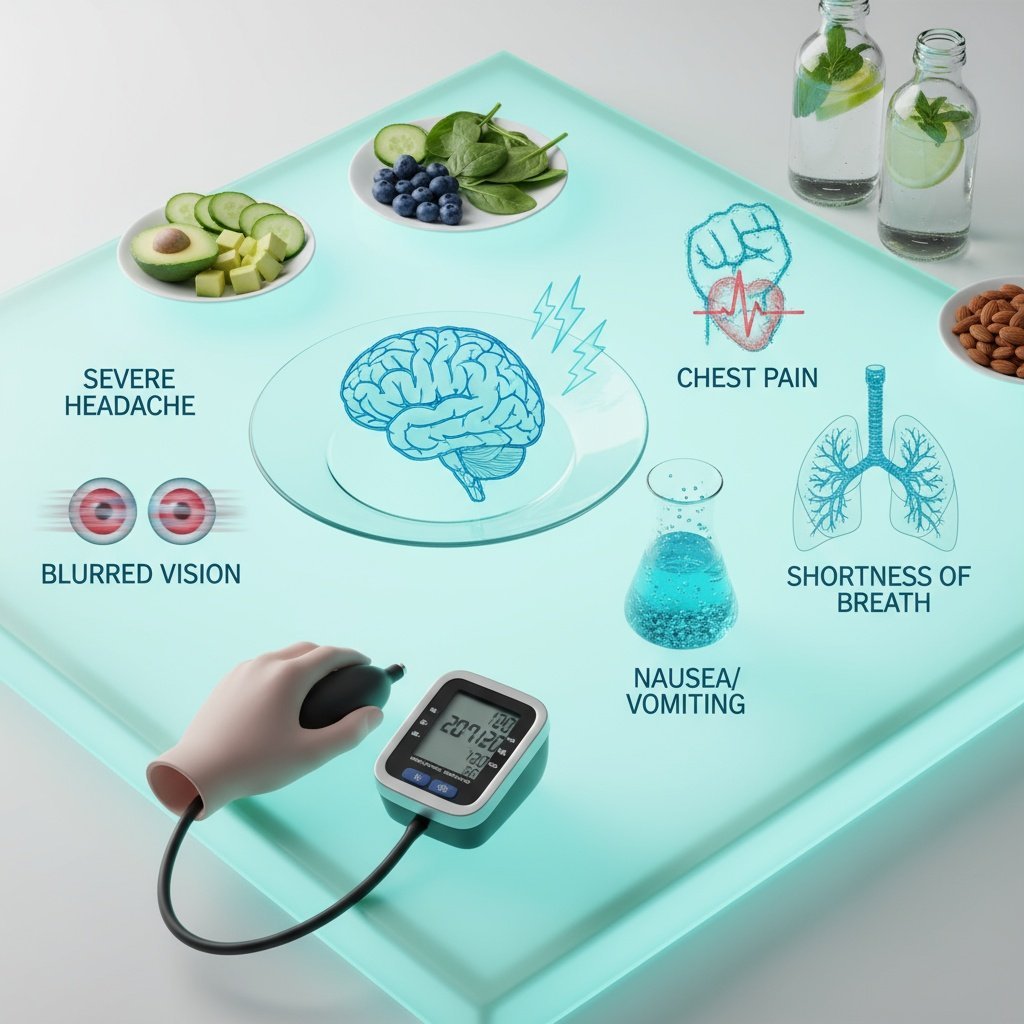
- ✅ Severe headache
- ✅ Shortness of breath
- ✅ Nosebleed
- ✅ Severe anxiety
2. Check Your Blood Pressure
If you have a blood pressure monitor at home, take your blood pressure immediately.
- Systolic (top number) 180 mmHg or higher
- Diastolic (bottom number) 120 mmHg or higher
3. Seek Immediate Medical Attention
If your blood pressure readings are in the crisis range AND you are experiencing any of the severe symptoms, call 911 or your local emergency number right away. Do not try to “wait it out” or drive yourself to the emergency room if you feel unwell.
4. Stay Calm and Breathe
While waiting for help, try to remain as calm as possible. Deep, slow breaths can help reduce anxiety.
- Inhale slowly through your nose for 4 counts.
- Hold your breath for 4 counts.
- Exhale slowly through your mouth for 6 counts.
Expert Insight
💡 Quick Tip: A hypertensive crisis is generally defined by blood pressure readings of 180/120 mmHg or higher. If you get such a reading but feel perfectly fine, recheck it after a few minutes of rest. If it’s still high, contact your doctor right away for advice. If you have any new or worsening symptoms like chest pain, shortness of breath, back pain, numbness/weakness, or changes in vision, seek emergency care immediately.
Common Mistakes to Avoid
- Mistake: Ignoring symptoms or hoping they’ll go away.
Correction: Any severe or sudden symptom, especially coupled with high blood pressure, warrants immediate attention. - Mistake: Self-medicating or taking extra doses of blood pressure medication without doctor’s advice.
Correction: Only a medical professional can adjust your medication safely. Taking more than prescribed can be dangerous. - Mistake: Driving yourself to the hospital if you’re experiencing severe symptoms like dizziness or vision changes.
Correction: Call emergency services (911) and wait for professional medical transport to ensure your safety and that of others. - Mistake: Panic.
Correction: While serious, panicking can raise your blood pressure further. Stay calm and focus on getting help.
How to Track or Apply It
Regularly monitoring your blood pressure at home is a powerful way to stay ahead of potential issues. Keep a log of your readings, noting the date, time, and any symptoms you experienced. This record is invaluable for your doctor. You can apply these tips by familiarizing yourself with the hypertensive crisis symptoms and discussing an emergency plan with your family. For easy tracking, explore StopComplications free tools like blood pressure log sheets or digital trackers available on our website.
Conclusion
Recognizing hypertensive crisis symptoms and knowing how to respond rapidly is crucial for protecting your health, especially if you’re managing chronic conditions. Small steps today, like regular monitoring and understanding these warning signs, can indeed prevent big complications tomorrow. Empower yourself with knowledge and proactive habits.
Ready to take control of your health journey? Visit StopComplications.com today to download our free tools and ebooks designed to help you manage your blood pressure and prevent complications.
FAQs
Q: What’s the difference between a hypertensive urgency and a hypertensive emergency?
A: A hypertensive urgency means your blood pressure is very high (180/120 mmHg or more) but you have no symptoms of organ damage. A hypertensive emergency means your blood pressure is very high AND you have signs of organ damage (like severe headache, chest pain, or vision changes), requiring immediate medical attention.
Q: Can stress cause a hypertensive crisis?
A: While severe stress can temporarily raise blood pressure, it’s unlikely to cause a full-blown hypertensive crisis on its own unless you already have underlying high blood pressure or other risk factors. However, stress management is important for overall heart health.
Q: Should I take a blood pressure reading on both arms?
A: It’s generally recommended to take readings on the arm that consistently shows the higher measurement. Your doctor may check both arms during an appointment, but for home monitoring, consistency is key.
Q: What if my blood pressure is high but I feel fine?
A: If your blood pressure is 180/120 mmHg or higher, even without symptoms, it’s still considered a hypertensive urgency. You should contact your doctor immediately for advice. Do not wait.