Table of Contents

Preventing Eye Complications in Diabetes
Ingredients List
For optimal eye health and diabetic retinopathy prevention, think of your daily routine as a recipe. Here are the key “ingredients”:
- Regular Eye Exams: The cornerstone, like a foundational flour for baking. No substitutions here!
- Blood Sugar Monitoring: Your sugar, measured carefully; consistency is key.
- Blood Pressure Management: The healthy fats – crucial for overall circulation and eye health.
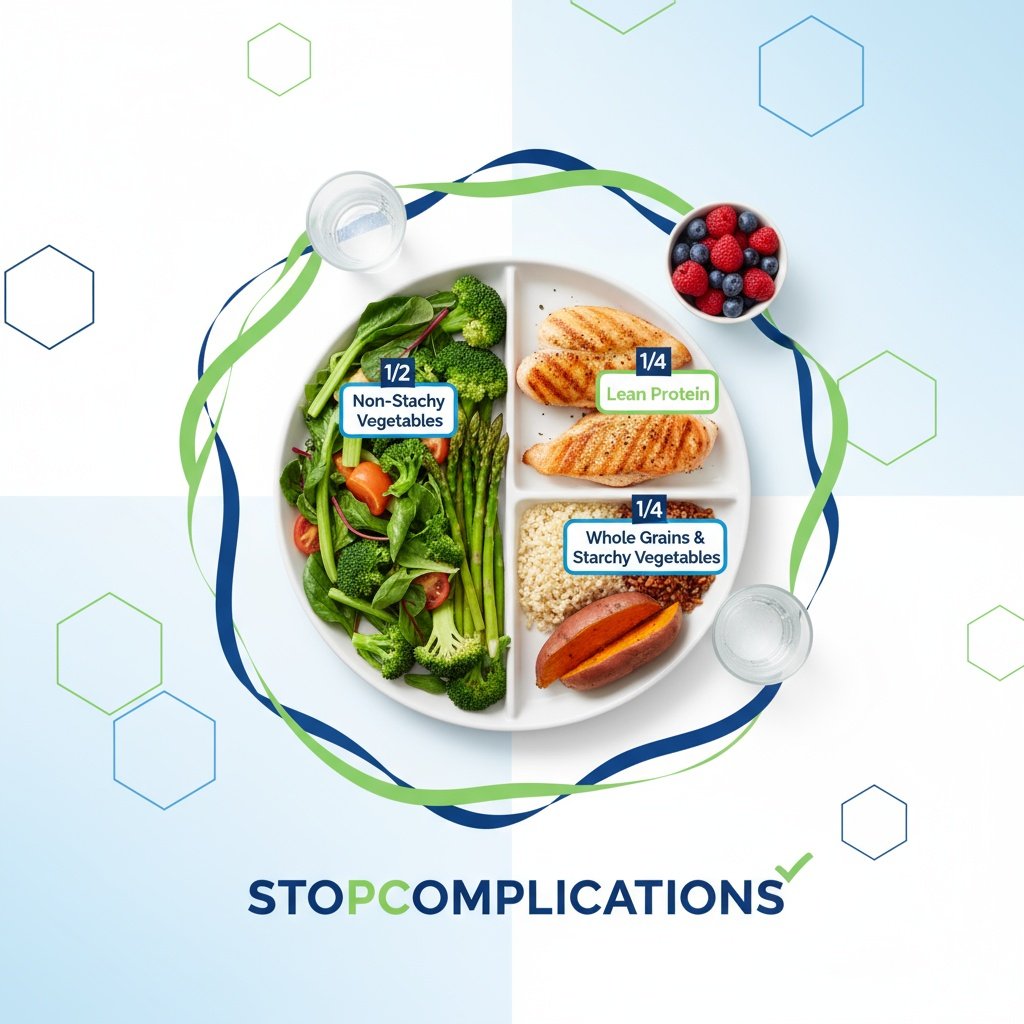
- Healthy Diet: A vibrant mix of colorful vegetables, lean proteins, and whole grains. Think fresh produce from the garden!
- Regular Physical Activity: The leavening agent, giving life and energy to your entire system. Move your body in ways you enjoy!
- Smoking Cessation: The ingredient you absolutely must omit. No substitutes, no exceptions.
- Medication Adherence: The special spices prescribed by your healthcare provider, essential for flavor and function.
Introduction
Did you know that diabetes is the leading cause of new cases of blindness among adults aged 20-74? It’s a sobering statistic, but it doesn’t have to be your reality. Many individuals living with diabetes face the worry of vision loss and don’t know where to turn for reliable, actionable steps. The good news is, you hold significant power in protecting your eyesight. In this post, we’ll dive into practical, everyday strategies crucial for diabetic retinopathy prevention, helping you safeguard your vision for years to come.
Why It Matters
Your eyes are powerful tools, connecting you to the world around you. For those managing chronic conditions like diabetes, hypertension, and heart disease, protecting your vision is not just about seeing clearly; it’s about maintaining independence and quality of life. Diabetic retinopathy, a complication of diabetes, can gradually damage the blood vessels in the retina, the light-sensitive tissue at the back of the eye. Over time, this damage can lead to blurred vision, floaters, and even complete vision loss. Studies show that early detection and timely treatment can reduce the risk of severe vision loss from diabetic retinopathy by 90% when patients attend regular dilated eye exams. Taking proactive steps today can dramatically reduce your risk of this irreversible damage.
Step-by-Step Guide / Practical Tips
Taking charge of your eye health begins with consistent, healthy habits. Here are actionable steps you can integrate into your life:
1. Prioritize Regular Dilated Eye Exams
This is your first and most critical defense.
- ✅ Schedule Annual Exams: See an ophthalmologist or optometrist at least once a year, or more frequently if advised.
- ✅ Dilated is Key: Ensure your pupil is dilated during the exam; this allows for a thorough check of your retina.
2. Master Your Blood Sugar Control
Keeping your blood sugar stable is paramount for diabetic retinopathy prevention.
- ✅ Monitor Consistently: Check your blood sugar as recommended by your doctor.
- ✅ Follow Your Plan: Adhere to medication, diet, and exercise plans for optimal glucose management.
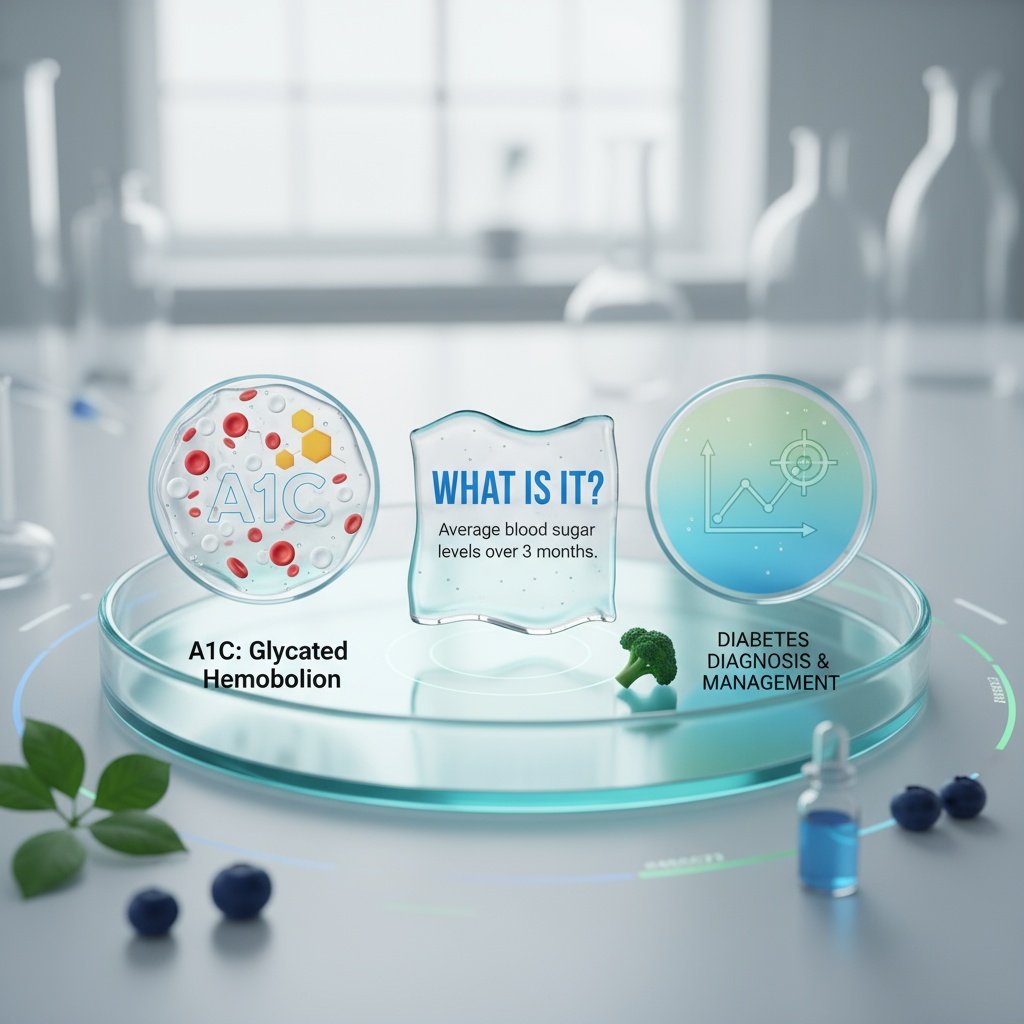
- ✅ Understand A1c: Work with your care team to keep your A1c target within a healthy range.
3. Manage Blood Pressure and Cholesterol
High blood pressure and cholesterol can worsen diabetic eye damage.
- ✅ Know Your Numbers: Regularly check your blood pressure and cholesterol levels.
- ✅ Healthy Habits: Adopt a heart-healthy diet low in sodium and saturated fats.
- ✅ Medication Adherence: Take prescribed medications as directed.
4. Embrace a Healthy Lifestyle
Your overall health directly impacts your eye health.
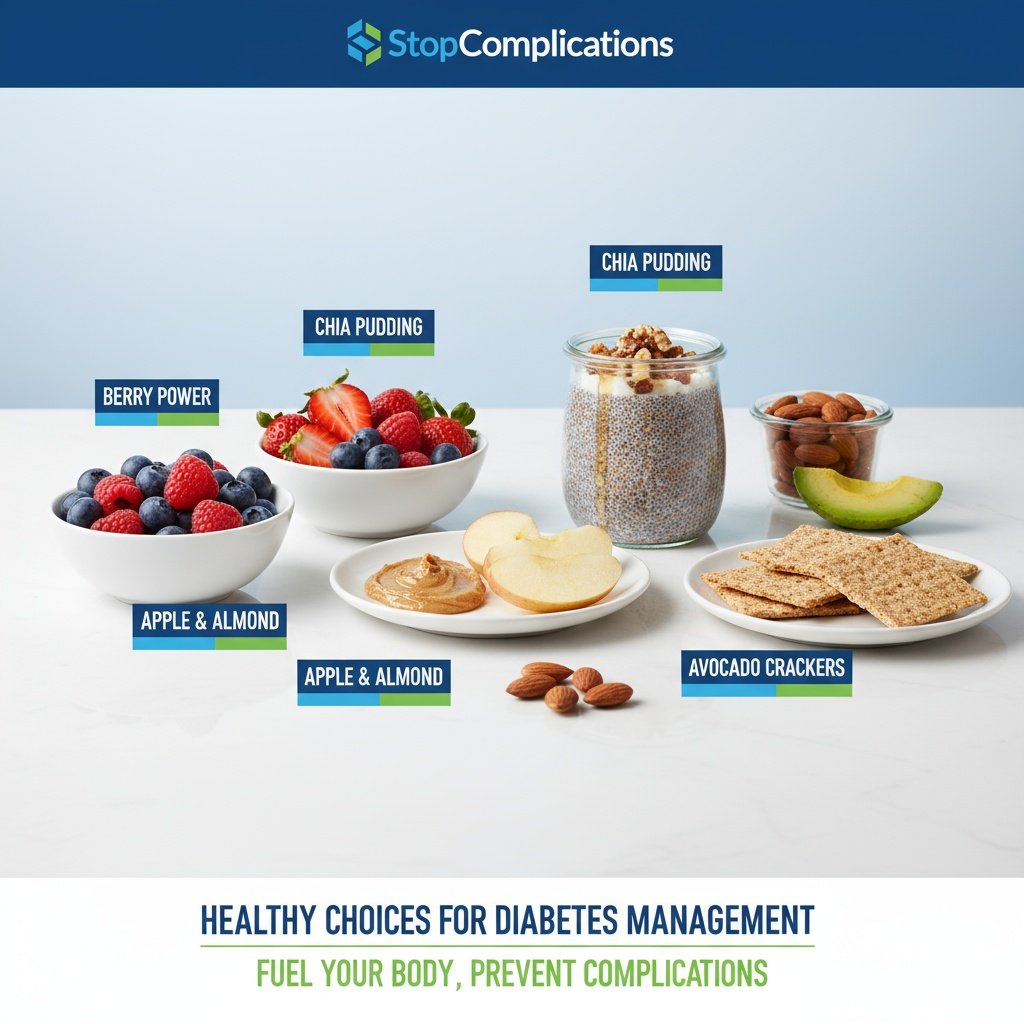
- ✅ Eat Nutrient-Rich Foods: Focus on leafy greens, colorful fruits, and omega-3 rich fish.
- ✅ Stay Active: Aim for at least 30 minutes of moderate exercise most days of the week.
- ✅ Quit Smoking: Smoking significantly increases the risk of diabetic retinopathy and other complications.
💡 Quick Tip: Consider setting annual reminders on your phone or calendar for your eye exams – it’ll help you stay on track!
Expert Insight
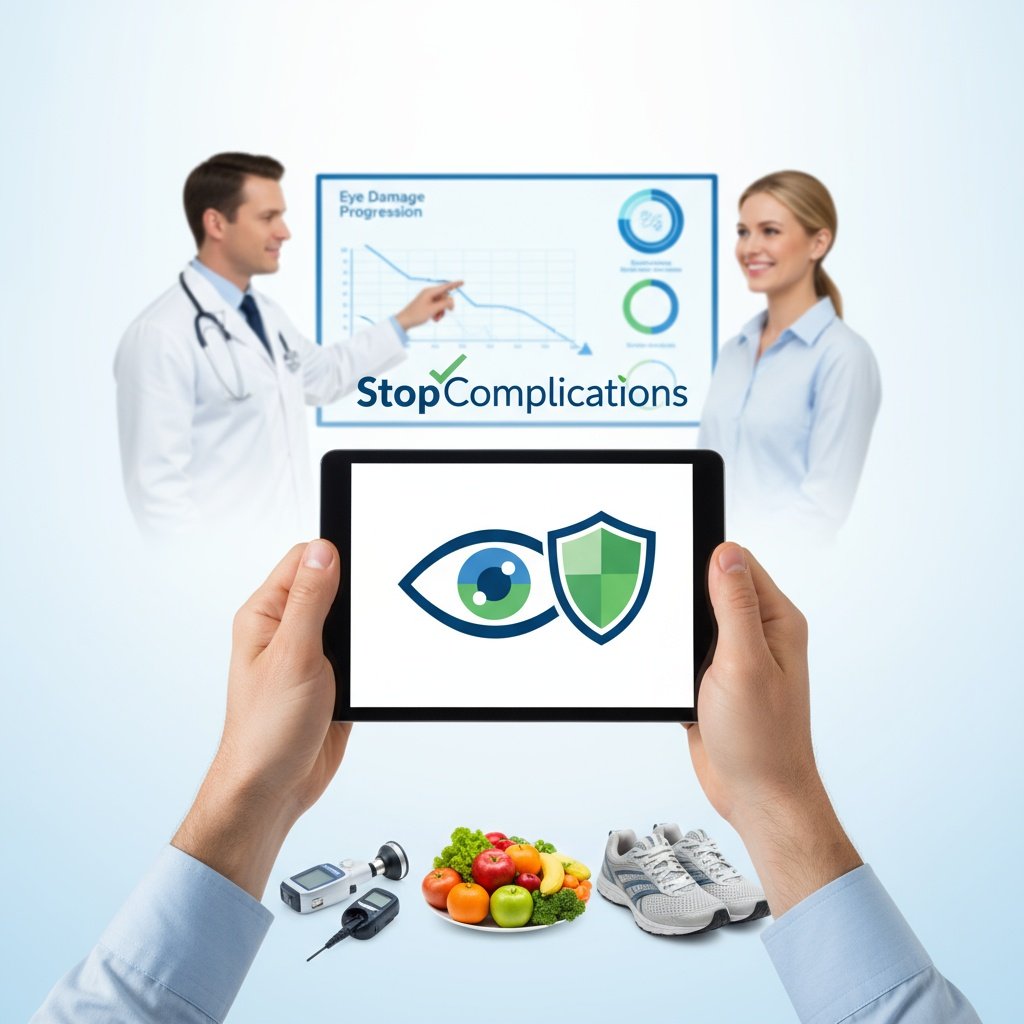
The retina is a delicate structure, and the micro-vessels within it are particularly vulnerable to sustained high blood sugar. Even without noticeable symptoms, damage can be accumulating. Early detection through a dilated eye exam allows for interventions that can stabilize vision and prevent further progression. Persistent elevated blood pressure also places additional stress on these tiny blood vessels, accelerating damage in the eyes, kidneys, and heart.
Common Mistakes to Avoid
Protecting your vision often means avoiding specific pitfalls that can jeopardize your progress.
- Skipping Annual Eye Exams:
- Mistake: Believing “my vision is fine, so I don’t need a check-up.” Many early signs of retinopathy have no symptoms.
- Correction: Schedule and attend your annual dilated eye exam even if you feel your vision is perfect.
- Ignoring Blood Sugar Spikes:
- Mistake: Not consistently monitoring blood sugar or neglecting dietary recommendations, leading to frequent highs.
- Correction: Diligently follow your diabetes management plan, paying close attention to food choices and medication schedules.
- Self-Diagnosing or Delaying Care:
- Mistake: Waiting to see a doctor when experiencing symptoms like blurred vision, floaters, or dark spots.
- Correction: Any new or worsening vision changes warrant an immediate call to your eye care professional.
- Underestimating Lifestyle Impact:
- Mistake: Thinking that medication alone is sufficient without addressing diet, exercise, or smoking habits.
- Correction: Recognize that a holistic approach integrating medication and healthy lifestyle choices offers the best protection.
How to Track or Apply It
Implementing these strategies effectively involves personal tracking and consistent effort. You can use a simple notebook, a digital health app, or even a calendar to log your blood sugar readings, blood pressure, and medication adherence. For example, note down your daily blood sugar levels and any changes in diet or activity. You can also mark off each day you meet your exercise goal. To help you manage all these important health metrics, explore the StopComplications free tools for trackers and planners designed to support your chronic disease management journey. Consistency builds momentum!
Conclusion
Taking proactive steps for diabetic retinopathy prevention is one of the most empowering choices you can make for your long-term health. By committing to regular eye exams, diligent blood sugar control, and a healthy lifestyle, you are actively safeguarding your precious gift of sight. Remember, small steps today can prevent big complications tomorrow.
Ready to take control of your health journey? Visit StopComplications.com to download free tools and ebooks that empower you to manage your chronic conditions and prevent common complications.
FAQs
Q: Can diabetic retinopathy be cured once it starts?AA: While damage from diabetic retinopathy cannot always be fully reversed, early diagnosis and treatment can effectively halt its progression and prevent further vision loss. This is why regular eye exams are so crucial.
Q: What are the early signs of diabetic retinopathy I should look out for?AA: Often, there are no early warning signs. As it progresses, symptoms might include blurred vision, floaters (spots or cobweb-like streaks), fluctuating vision, or dark areas in your field of vision. Always report any changes to your eye doctor.
Q: Does good blood sugar control guarantee I won’t get diabetic retinopathy?AA: While excellent blood sugar control significantly reduces your risk, it doesn’t offer a 100% guarantee. However, it is the single most important factor within your control to prevent or delay its onset and progression.
Q: How often should someone with well-controlled diabetes get an eye exam?AA: Most experts recommend an annual dilated eye exam for individuals with diabetes, even if their blood sugar is well-controlled and they have no symptoms. Your doctor may recommend more frequent exams based on your individual risk factors.