Table of Contents
Ingredients for a Healthier You (Not a Recipe, but a Mindset!)
Here at StopComplications, we believe in providing you with the essential “ingredients” for a healthier, more controlled life, especially when it comes to managing conditions like postprandial hypotension. Think of these as the foundational elements for preventing those sometimes-alarming post-meal blood pressure drops:
- Knowledge & Awareness: Understanding why your blood pressure sometimes falls after eating.
- Mindful Eating Habits: Small, frequent meals; slow eating.
- Smart Hydration: Drinking water before and between meals.
- Activity & Movement: Gentle movement after eating.
- Communication with Your Doctor: Discussing any blood pressure changes.
- Patience & Consistency: Implementing these changes takes time and regular effort.
You can substitute these with a proactive approach to your health, regular check-ups, and a commitment to learning about your body’s unique needs. It’s all about empowering yourself with information and actionable steps.
When Your Blood Pressure Takes a Dive After Dinner: Understanding Postprandial Hypotension
Have you ever felt lightheaded, dizzy, or even faint shortly after finishing a meal? You’re not alone. This unsettling experience, where your post-meal blood pressure drops, is a real phenomenon known as postprandial hypotension. It’s a common issue, particularly for individuals managing chronic conditions like diabetes, hypertension, and heart disease. While it might feel alarming, understanding why it happens and what you can do to manage it can make a big difference in your daily comfort and long-term health. We’re here to offer actionable, trustworthy advice to help you navigate this challenge safely and effectively.
Why Post-Meal Blood Pressure Drops Matter, Especially for You
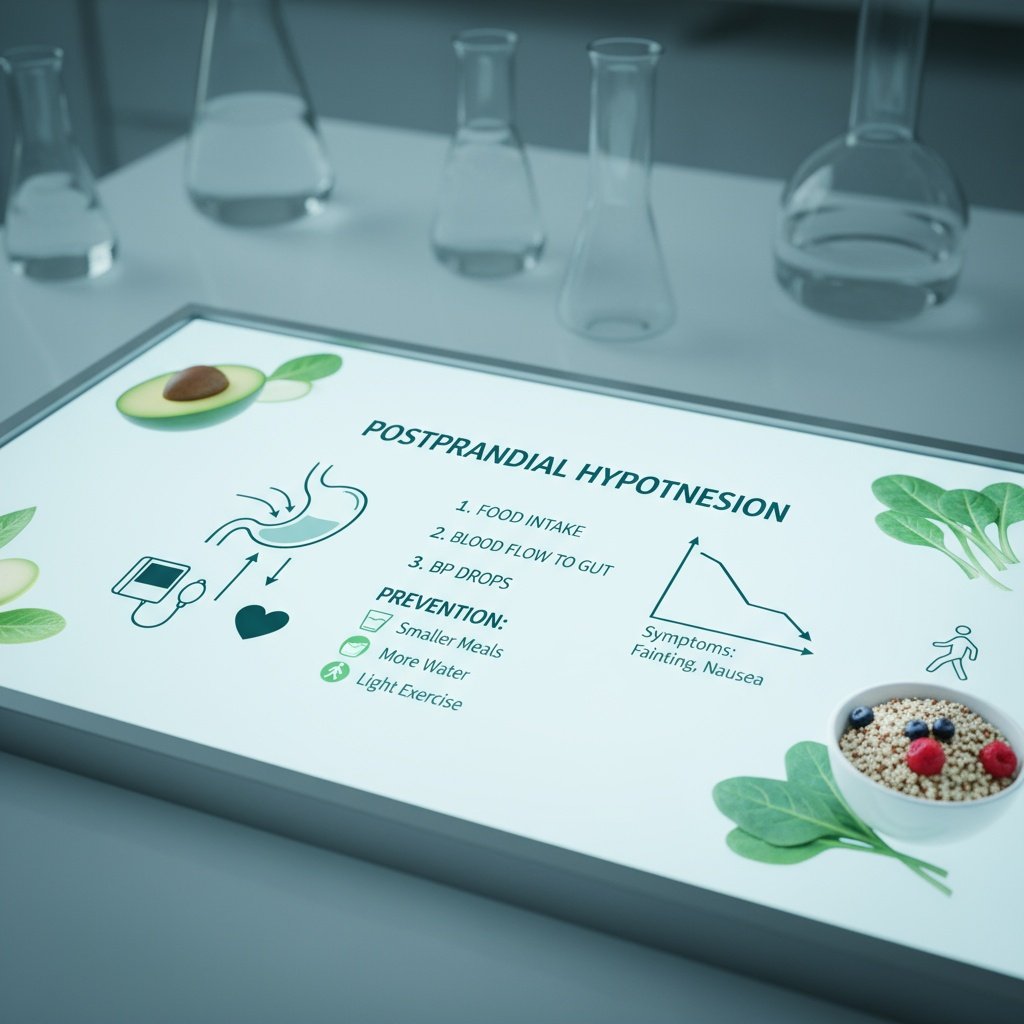
When you eat, your body sends a significant amount of blood flow to your digestive system to help process the food. For some, especially those with certain underlying health conditions, this shift can lead to a noticeable decrease in blood pressure in other parts of the body.
For people with chronic conditions, this isn’t just an occasional inconvenience. It can significantly increase the risk of falls, particularly in older adults, and can even exacerbate symptoms of heart conditions or diabetes. Researchers estimate that postprandial hypotension affects about one-third of older adults and up to two-thirds of those with high blood pressure already on medication. Knowing this can empower you to take proactive steps to maintain your stability and overall well-being.
Your Step-by-Step Guide to Managing Post-Meal Blood Pressure Drops
Taking control of postprandial hypotension doesn’t require drastic measures. Here are practical tips you can start applying today:
Eat Smaller, More Frequent Meals
Instead of three large meals, try having 5-6 smaller meals throughout the day.
- This reduces the sudden demand on your digestive system.
- Helps maintain more stable blood sugar levels.
Choose Your Carbs Wisely
Opt for complex carbohydrates over simple ones.
- ✅ Whole grains (oats, brown rice)
- ✅ Vegetables
- ❌ Sugary drinks
- ❌ White bread, pasta
Hydrate, Hydrate, Hydrate
Drink a glass of water about 15-30 minutes before your meal.
- Aids digestion.
- Helps maintain blood volume, reducing the likelihood of a significant drop.
- Avoid large amounts of liquids during the meal if it contains a lot of solids.
Avoid Alcohol with Meals
Alcohol can worsen postprandial hypotension.
- It can relax blood vessels, causing blood pressure to drop further.
- It also has a dehydrating effect.
Take Your Time Eating
Eating too quickly can make the problem worse.
- Savor your food.
- Give your body time to adjust.
Gentle Movement After Eating
Instead of immediately lying down, try a short, gentle walk.
- Helps with digestion.
- Can prevent blood from pooling too much in the digestive tract.
Expert Insight into Your Body’s Response
When you eat, your body releases hormones that widen blood vessels in your stomach and intestines to increase blood flow for digestion. Normally, your heart rate speeds up and other blood vessels tighten to keep your overall blood pressure stable. In postprandial hypotension, this compensatory mechanism doesn’t work as effectively, leading to that tell-tale drop.
⚠️ Reminder: While these tips are helpful, they are not a substitute for medical advice. Always discuss any changes in your blood pressure or health with your doctor.
Common Mistakes to Avoid When Dealing with Blood Pressure Drops
It’s easy to fall into certain habits that might unintentionally make post-meal blood pressure drops worse. Here’s what to look out for:
1. Eating Large, Carb-Heavy Meals
Large meals, especially those high in refined carbohydrates, trigger a bigger digestive response.
- Correction: Focus on balanced meals with lean protein, healthy fats, and fiber-rich complex carbs in moderate portions.
2. Drinking Sugary Beverages During Meals
Sugary drinks can cause rapid blood sugar changes and contribute to blood vessel dilation.
- Correction: Stick to water before and between meals. If you must drink during a meal, opt for small sips of water.
3. Immediately Lying Down After Eating
This position can encourage blood pooling in the digestive organs and reduce blood flow elsewhere.
- Correction: Stay upright for at least 30-60 minutes after eating. A short, gentle walk is even better.
4. Ignoring Symptoms
Dizziness, lightheadedness, or weakness after meals are important signals from your body.
- Correction: Pay attention to these signs. If they persist or worsen, discuss them with your healthcare provider.
How to Track and Apply These Tips for Better Health
Applying these tips effectively means understanding your own body’s unique responses. Keeping a simple log can be incredibly helpful. Note down:
- What you ate: Ingredients, portion sizes.
- When you ate: Time of day.
- How you felt: Any symptoms like dizziness, weakness, or fatigue, and their severity.
- What you did before/after: Hydration, activity levels.
This tracking can reveal patterns and help you identify specific triggers for your post-meal blood pressure drops. You can use one of the “StopComplications free tools” like our simple meal and symptom tracker to make this process even easier!
Take Control of Your Health, One Meal at a Time
Understanding and managing postprandial hypotension is a crucial part of living well with chronic conditions. By implementing these small, mindful changes to your eating habits and lifestyle, you’re not just preventing uncomfortable symptoms; you’re actively safeguarding your cardiovascular health and overall well-being. Small steps today can prevent big complications tomorrow.
Are you ready to take charge of your health? Visit StopComplications.com today to explore our wealth of expert-backed resources, free tools, and guides designed to help you navigate diabetes, hypertension, and heart health with confidence.
FAQs About Post-Meal Blood Pressure Drops
Q: Is postprandial hypotension the same as low blood pressure?
A: Not exactly. While it involves a drop in blood pressure, it specifically refers to the decrease that occurs after eating, not a consistently low blood pressure at all times.
Q: Can certain medications make postprandial hypotension worse?
A: Yes, some medications, particularly those for high blood pressure or certain heart conditions, can increase your susceptibility. Always discuss any symptoms with your doctor, as medication adjustments might be needed.
Q: How quickly does postprandial hypotension usually occur after eating?
A: Symptoms typically appear within 15 to 90 minutes after starting a meal and can last for several hours.
Q: Should I exercise right after a meal if I have this condition?
A: Strenuous exercise immediately after a meal is generally not recommended, as it diverts blood flow away from digestion, which could potentially worsen symptoms. Gentle movement, like a light walk, is usually fine and often beneficial.