Table of Contents
Low-GI Breakfast Ideas: Fueling Your Day the Healthy Way
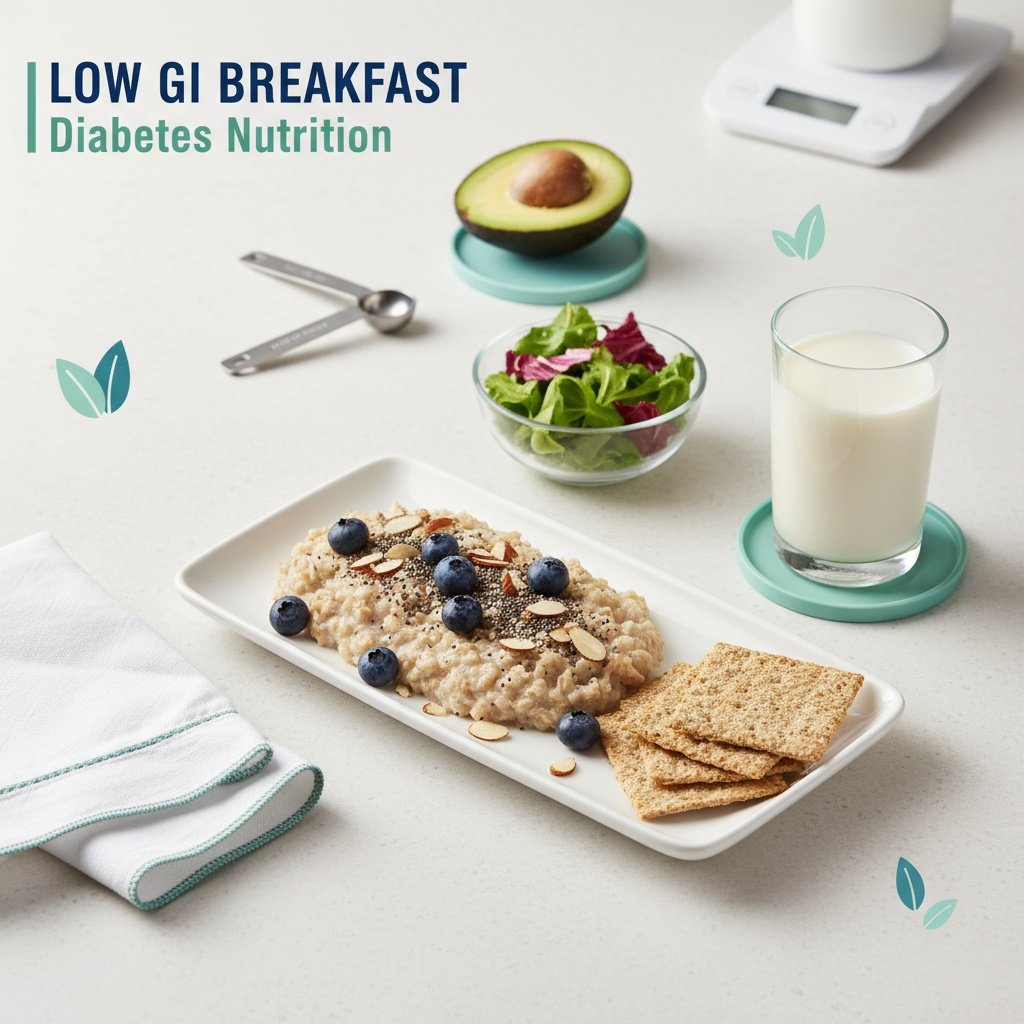
Ingredients List
Crafting a delicious and satisfying low GI breakfast for diabetes doesn’t require exotic ingredients. Here’s what you’ll want to stock your pantry and fridge with, along with smart substitutions to keep things interesting:
- Whole Grains: Rolled oats (not instant!), steel-cut oats, quinoa flakes, whole-wheat bread (sourdough or dense whole grain).
- Substitutions: Buckwheat groats, barley flakes.
- Lean Protein: Greek yogurt (unsweetened, plain), cottage cheese, eggs, tofu scramble, lean turkey sausage.
- Substitutions: Chickpea flour (for savory pancakes), lentils (in savory dishes).
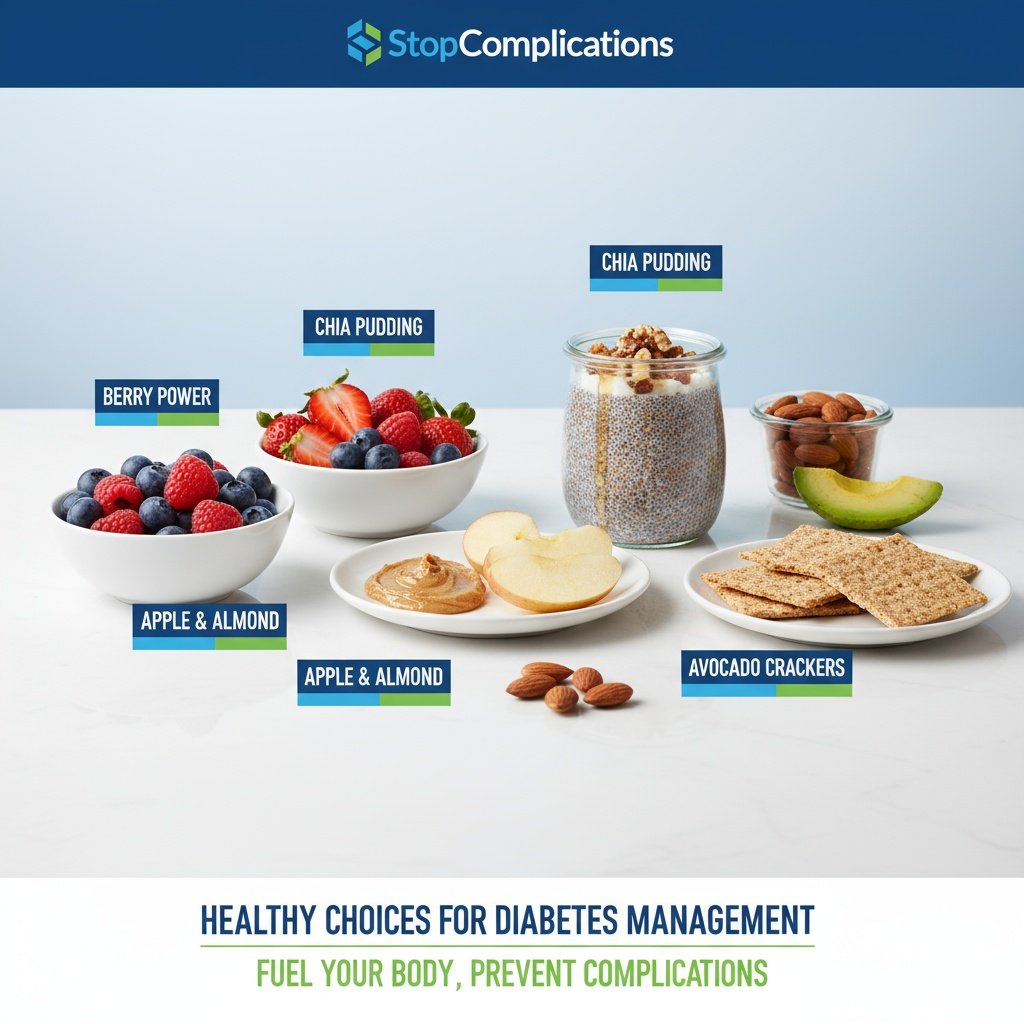
- Healthy Fats: Avocado, chia seeds, flax seeds, a small handful of nuts (almonds, walnuts), natural nut butter (peanut, almond – check for added sugars!).
- Substitutions: Hemp hearts, extra virgin olive oil (for cooking).
- Fiber-Rich Fruits: Berries (strawberries, blueberries, raspberries), apples, pears, peaches, plums, kiwi.
- Substitutions: Cherries, apricots, oranges (in moderation).
- Non-Starchy Vegetables: Spinach, kale, mushrooms, bell peppers, onions, tomatoes (for savory options like omelets).
- Substitutions: Zucchini, broccoli florets, asparagus.
- Dairy/Non-Dairy Options: Unsweetened almond milk, soy milk, skim milk, plain unsweetened Greek yogurt.
- Substitutions: Oat milk (choose low-sugar varieties), kefir.
- Flavor Boosters (Sugar-Free): Cinnamon, vanilla extract, unsweetened cocoa powder, herbs (dill, chives), spices (turmeric, black pepper).
Introduction
Did you know that what you eat for breakfast can impact your blood sugar for the entire day? For individuals managing diabetes, hypertension, or prioritizing heart health, making smart morning choices is crucial. The good news? You don’t have to sacrifice flavor for health. This post unveils simple, delicious, and effective low GI breakfast for diabetes options that keep your glucose steady, your energy high, and your heart happy.
Why It Matters
The glycemic index (GI) measures how quickly a food raises your blood sugar. High-GI foods cause rapid spikes, leading to energy crashes and increasing the strain on your body. Over time, these frequent spikes contribute to the progression of diabetes, elevate blood pressure, and negatively impact heart health. Choosing low-GI foods, especially for your first meal, helps:
- Stabilize blood sugar: Preventing those unwanted highs and lows.
- Improve insulin sensitivity: Your body uses insulin more effectively.
- Increase satiety: You feel fuller for longer, reducing overeating.
- Support weight management: A key factor in managing chronic conditions.
- Reduce cardiovascular risk: By promoting better blood sugar and cholesterol levels.
Step-by-Step Guide / Practical Tips
Ready to transform your mornings? Here’s how to build a low-GI breakfast powerhouse:
Prioritize Protein
Pairing carbohydrates with protein slows down glucose absorption.
- For Oats: Stir in a scoop of protein powder, a dollop of Greek yogurt, or a handful of nuts.
- For Eggs: Scramble with veggies and a slice of whole-wheat sourdough.
Embrace Healthy Fats
Healthy fats (like those in avocado or chia seeds) also help slow digestion and keep you feeling satisfied.
- Avocado Toast: Top whole-wheat toast with mashed avocado and a sprinkle of everything bagel seasoning.
- Chia Pudding: Prepare overnight chia pudding with unsweetened almond milk and berries.
Load Up on Fiber
Fiber-rich foods, especially soluble fiber, are champions for blood sugar control and gut health.
- Berries Galore: Add fresh or frozen berries to your yogurt, oatmeal, or smoothie.
- Veggie Omelet: Fill your morning omelet with spinach, mushrooms, and bell peppers.
Choose Whole Grains Wisely
Not all “whole grains” are created equal. Look for minimal processing.
- ✅ Best Choices: Steel-cut oats, rolled oats, 100% whole-wheat sourdough bread.
- ❌ Avoid: Instant oatmeal with added sugars, refined white bread, sugary cereals.
💡 Quick Tip: Aim for at least 5-10 grams of fiber and 15-20 grams of protein in your breakfast to kickstart your day right.
Expert Insight
Managing chronic conditions like diabetes and hypertension often involves dietary changes. Research consistently shows that a breakfast rich in protein and fiber, with a low glycemic load, significantly improves post-meal glucose responses and reduces cardiovascular risk factors. According to the American Diabetes Association, integrating foods high in soluble fiber and lean protein can be a cornerstone of effective blood sugar management.
Common Mistakes to Avoid
Even with good intentions, it’s easy to fall into common breakfast traps. Here’s what to steer clear of:
- Thinking “Fruit Juice” is a Healthy Choice:
- Mistake: Fruit juice is often concentrated sugar without the beneficial fiber of whole fruit, leading to rapid blood sugar spikes.
- Correction: Opt for whole fruits (berries, apples) with their skin for maximum fiber.
- Relying on “Healthy-Looking” Cereal:
- Mistake: Many cereals marketed as “healthy” are packed with hidden sugars and refined grains.
- Correction: Choose steel-cut or rolled oats, or high-fiber, low-sugar cereals (check labels carefully!).
- Forgetting Protein and Fat with Carbs:
- Mistake: Eating carbs alone (e.g., plain toast, only fruit) can cause quicker sugar spikes.
- Correction: Always pair your carbs with a source of protein (eggs, yogurt) and healthy fats (nuts, avocado).
- Skipping Breakfast Altogether:
- Mistake: This can lead to overeating later in the day and make blood sugar harder to control.
- Correction: Even a small, low-GI breakfast (like a hard-boiled egg and an apple) is better than nothing.
- Adding Sugary Sweeteners:
- Mistake: Loading up your oatmeal or yogurt with honey, maple syrup, or sugar defeats the purpose.
- Correction: Use natural flavor enhancers like cinnamon, vanilla extract, or a small handful of fresh berries.
How to Track or Apply It
Making these changes stick requires a little planning and consistency. Start by picking one new low-GI breakfast idea each week and incorporate it into your routine.
- Meal Prep: Spend a few minutes on Sunday preparing overnight oats or portioning out ingredients for quick scrambles.
- Food Journal: Keep a simple food diary for a week or two. Note what you ate for breakfast and how you felt afterward. Did you have energy? Did you feel hungry quickly?
- Blood Glucose Monitoring: If you have diabetes, regularly checking your blood glucose after trying new breakfast options can provide valuable feedback on what works best for your body.
- Utilize StopComplications Free Tools: Our free meal planners and food trackers can help you effortlessly integrate these tips into your daily life and monitor your progress. They’re designed to make healthy eating simple and sustainable.
Conclusion
Empowering yourself with knowledge about low-GI foods is a game-changer for managing chronic conditions and vital for anyone aiming for a healthier life. By making thoughtful low GI breakfast for diabetes choices, you’re not just eating a meal; you’re investing in stable blood sugar, a healthier heart, and sustained energy throughout your day. Small steps today can prevent big complications tomorrow.
Ready to take control of your health journey? Visit StopComplications.com for more evidence-based guidance, delicious recipes, and to download our free tools designed to help you live a healthier, longer life!
FAQs
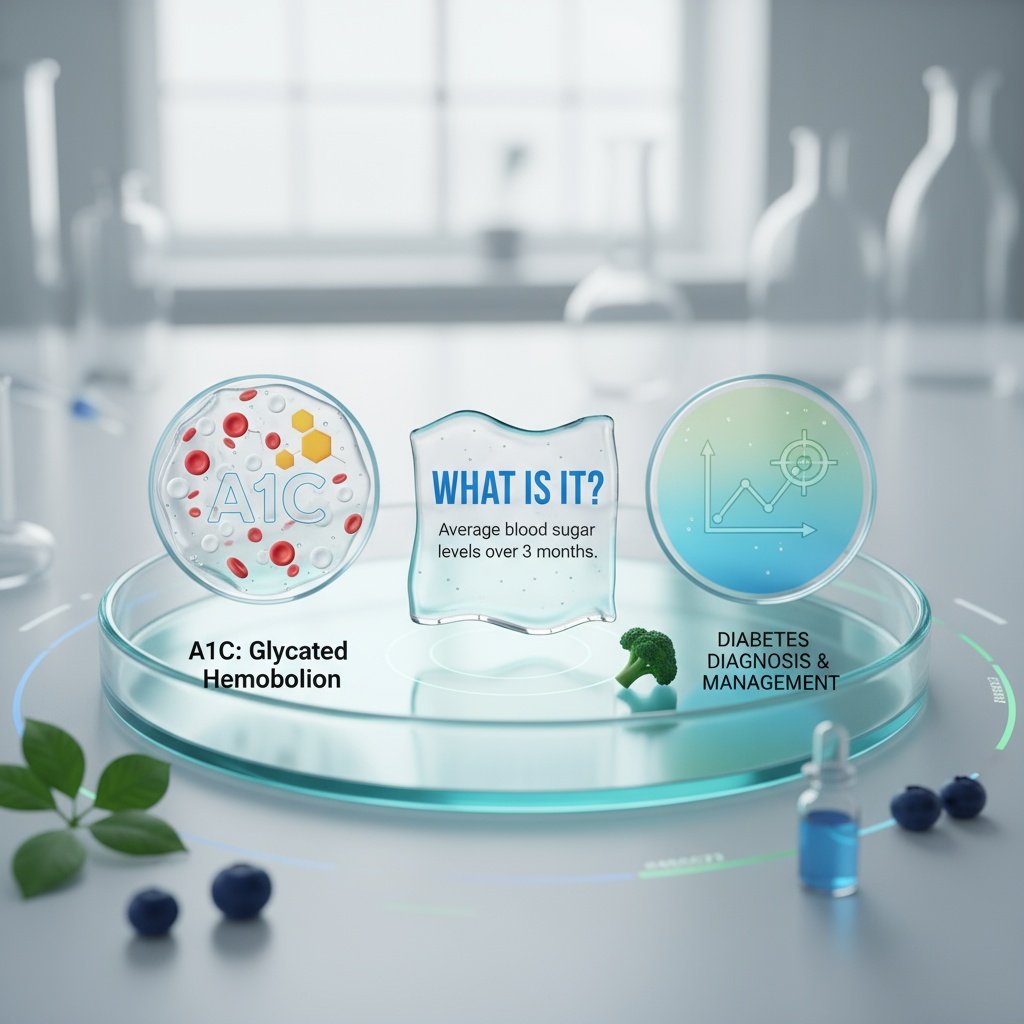
Q: What does “GI” stand for?AA: GI stands for Glycemic Index, which is a ranking system for carbohydrate-containing foods based on how quickly they raise blood sugar levels after eating.
Q: Can I still eat fruit for breakfast if I’m managing my blood sugar?AA: Absolutely! Whole fruits, especially berries, apples, and pears, are excellent low-GI options due to their fiber content. Just remember to pair them with protein and healthy fats.
Q: Is eggs a good low-GI breakfast?AA: Yes! Eggs have a very low GI and are an excellent source of protein, making them a fantastic choice for a blood-sugar-friendly breakfast. Just be mindful of how you cook them and what you serve them with.
Q: How can I tell if a packaged food is low-GI?AA: Look for key indicators on the nutrition label: high fiber (at least 3g per serving), low added sugars, and whole grains listed as the first ingredient. Many labels may also directly state their GI value.