Table of Contents
Ingredients List
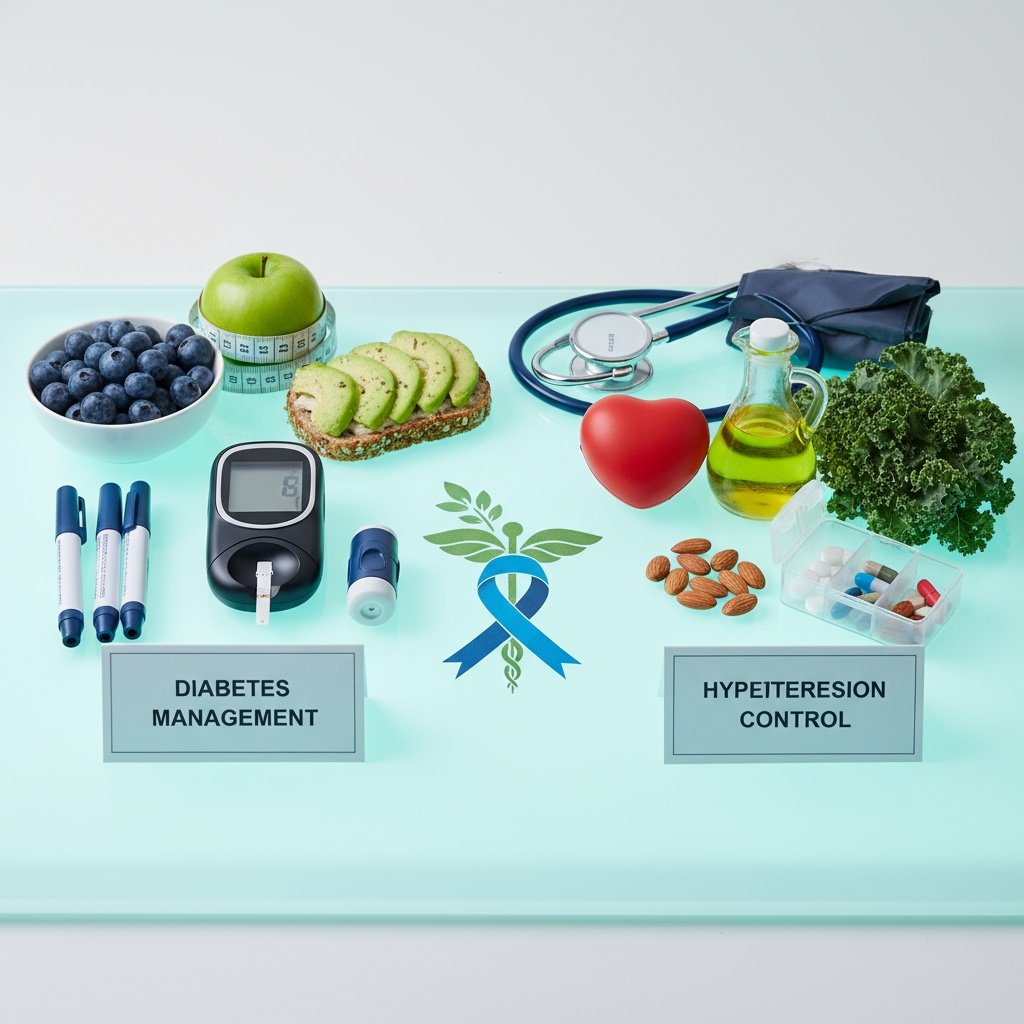
To help you navigate the path to better health, here’s a look at key “ingredients” for managing your health, along with some suggested substitutions. These aren’t just foods; they’re habits and choices!
- Whole Grains: Brown rice, oats, quinoa, whole-wheat bread. (Substitution: Legumes like lentils or beans for added fiber and protein.)
- Lean Proteins: Chicken breast, fish (salmon, cod), tofu, beans. (Substitution: Plant-based proteins like tempeh or edamame.)
- Plenty of Vegetables: Leafy greens (spinach, kale), broccoli, bell peppers, carrots. (Substitution: Frozen vegetables are just as nutritious and convenient!)
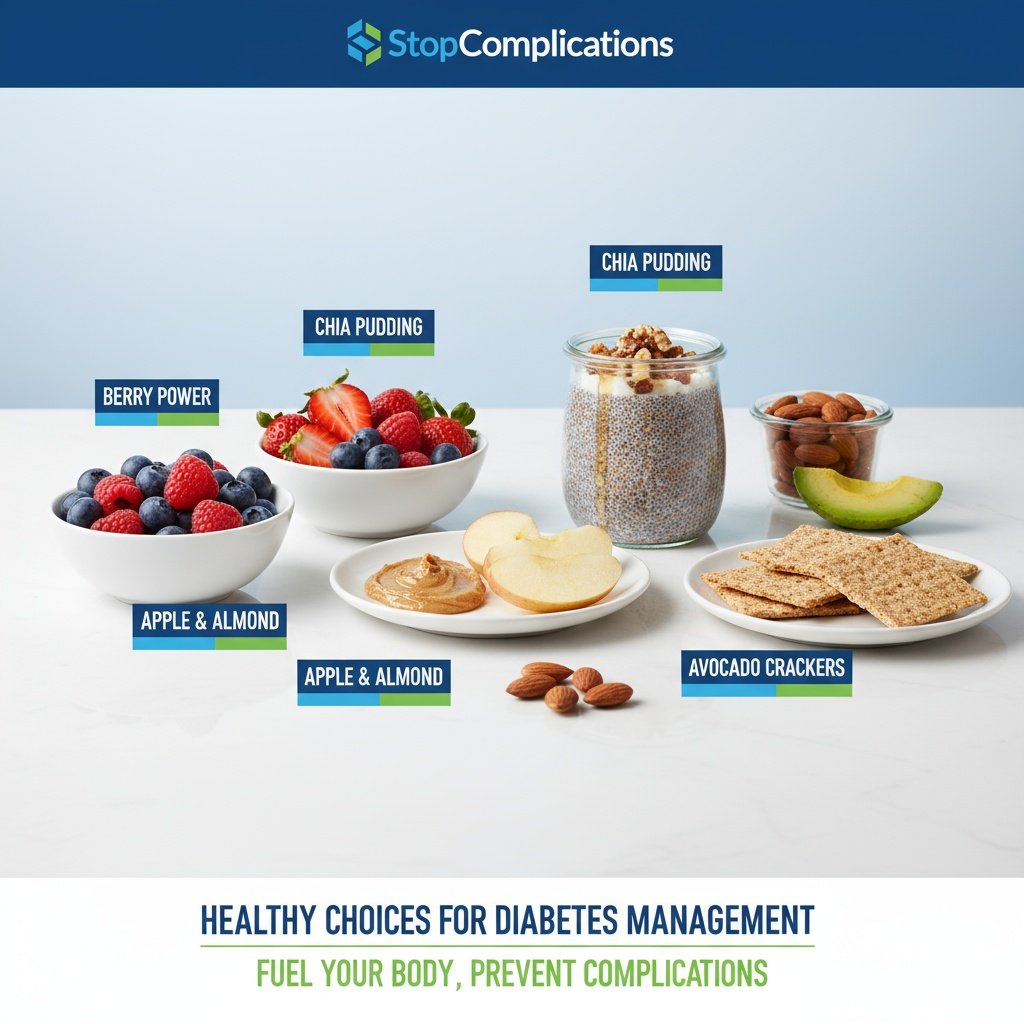
- Healthy Fats: Avocados, nuts (almonds, walnuts), seeds (chia, flax). (Substitution: Olive oil or avocado oil for cooking.)
- Fruits (in moderation): Berries, apples, oranges. (Substitution: A small handful of unsalted nuts when craving a sweet treat.)
- Water: The ultimate hydration source. (Substitution: Unsweetened herbal teas, water with a slice of lemon or cucumber for flavor.)
- Regular Physical Activity: Brisk walking, swimming, cycling, dancing. (Substitution: Gardening, household chores, or taking the stairs instead of the elevator.)
- Stress Management Techniques: Deep breathing, meditation, spending time in nature, hobbies. (Substitution: A soothing warm bath, listening to calming music.)
- Adequate Sleep: 7-9 hours per night. (Substitution: Creating a relaxing bedtime routine to improve sleep quality.)
- Regular Health Check-ups: Staying in touch with your doctor. (Substitution: Keeping a health journal to track symptoms and progress for discussions with your healthcare provider.)
Introduction
Did you know that over 37 million Americans have diabetes, and nearly half of all adults have hypertension? What’s even more concerning is how often these two conditions appear together, forming a dangerous partnership that significantly increases health risks. For many, the challenge isn’t just managing one, but understanding how they influence each other. The good news? Taking control of one condition often has powerful, positive ripple effects on the other. This guide will provide actionable steps and trustworthy advice to help you manage diabetes and hypertension effectively through simple lifestyle changes.
Why It Matters
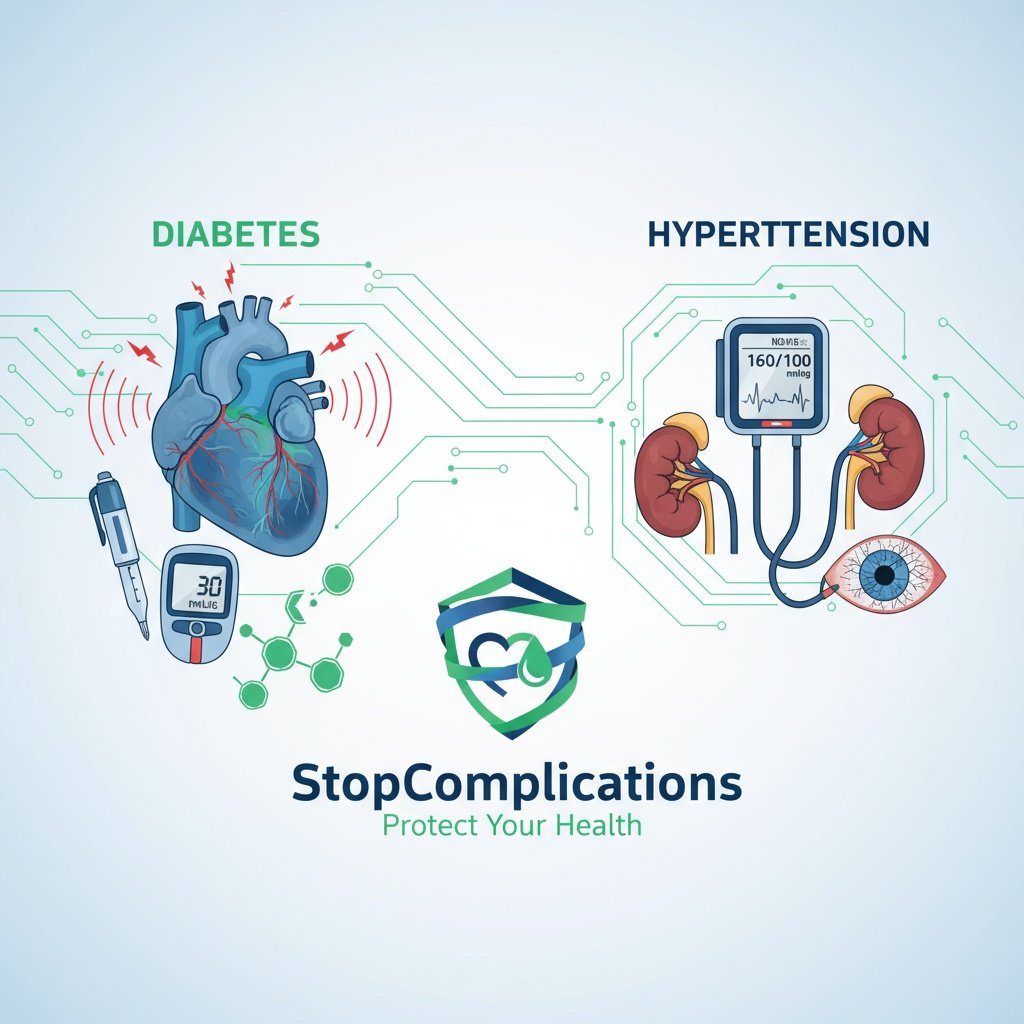
The connection between high blood sugar (diabetes) and high blood pressure (hypertension) is more than just a coincidence. Studies show that about two out of three people with diabetes also have high blood pressure, making this a critical health concern. When you have both, the risk of serious complications like heart attack, stroke, kidney disease, and vision loss skyrockets. High blood sugar can stiffen arteries, making them less flexible, while high blood pressure strains blood vessels and the heart. Together, they accelerate damage throughout your body. Understanding this link is the first step toward safeguarding your long-term health and preventing these complications.
Step-by-Step Guide / Practical Tips
Taking charge of your health doesn’t have to be overwhelming. Here are practical, easy-to-follow tips to help manage both your diabetes and hypertension.
Embrace a Balanced Plate
Focus on whole, unprocessed foods.
- ✅ Fill half your plate with non-starchy vegetables like broccoli, spinach, and bell peppers.
- ✅ Choose lean proteins such as chicken, fish, beans, or tofu.
- ✅ Opt for whole grains like brown rice, quinoa, and whole-wheat bread instead of refined grains.
Move Your Body Regularly
Physical activity is a powerful tool against both conditions.
- ✅ Aim for at least 150 minutes of moderate-intensity exercise per week (e.g., brisk walking, swimming).
- ✅ Break it up into shorter 10-15 minute sessions if needed.
- ✅ Find an activity you enjoy to make it sustainable.
Master Your Stress
Stress can elevate blood pressure and disrupt blood sugar control.
- ✅ Practice deep breathing exercises for a few minutes each day.
- ✅ Try mindfulness, meditation, or spend time in nature.
- ✅ Engage in hobbies that bring you joy and help you relax.
Prioritize Quality Sleep
Good sleep hygiene supports hormone balance and overall health.
- ✅ Aim for 7-9 hours of sleep per night.
- ✅ Create a relaxing bedtime routine.
- ✅ Keep your bedroom dark, quiet, and cool.
Limit Sodium and Added Sugars
These are major contributors to hypertension and diabetes complications.
- ✅ Read food labels carefully to identify hidden sodium and sugars.
- ✅ Cook more meals at home to control ingredients.
- ✅ Use herbs and spices for flavor instead of salt.
💡 Quick Tip: Small, consistent changes add up to significant health benefits over time. Don’t try to change everything at once!
Expert Insight
- “Maintaining a healthy weight is one of the most effective strategies for managing both blood sugar and blood pressure levels. Even a modest weight loss can lead to significant improvements.”
- “Regular monitoring of your blood sugar and blood pressure at home, as advised by your doctor, empowers you to understand your body’s responses to lifestyle changes and medication, aiding in more personalized care.”
Common Mistakes to Avoid
Navigating chronic conditions can be tricky. Here are some common pitfalls and how to steer clear of them.
- Ignoring Symptoms or Readings: Mistake: Skipping regular check-ups or not monitoring your blood pressure and blood sugar, assuming you feel fine. Correction: Consistent monitoring as prescribed by your doctor provides crucial data and allows for early intervention.
- Making Drastic Diet Changes: Mistake: Adopting extremely restrictive diets that are hard to maintain, leading to feelings of deprivation and eventual rebound. Correction: Focus on sustainable, gradual changes that fit your lifestyle. Small improvements are more powerful in the long run.
- Sedentary Lifestyle: Mistake: Believing you need intense workouts to make a difference, leading to inactivity. Correction: Any movement is better than none. Start with short walks and gradually increase duration and intensity.
- Self-Medicating or Adjusting Doses: Mistake: Changing your medication dosage or stopping medication without consulting your healthcare provider. Correction: Always follow your doctor’s instructions regarding medication. They are best equipped to make adjustments based on your health status.
- Underestimating Stress: Mistake: Dismissing the impact of chronic stress on your physical health. Correction: Actively incorporate stress-reducing activities into your daily routine. Prioritize mental well-being alongside physical health.
How to Track or Apply It
Making these changes a part of your daily life is key. Start by picking one or two tips from the guide above and focus on them for a week. You can use a simple notebook, a calendar, or even dedicated health apps to log your meals, physical activity, sleep patterns, and blood sugar/pressure readings. Seeing your progress can be incredibly motivating! To help you stay on track, consider utilizing the StopComplications free tools available, which can assist in monitoring your progress and setting achievable goals. This daily practice helps you identify what works best for your body and keeps you accountable.
Conclusion
Managing both diabetes and hypertension can seem like a daunting challenge, but by understanding their connection and taking proactive steps, you gain immense control over your health. Remember, each healthy choice you make — from choosing whole foods to taking a short walk or getting enough sleep — contributes to a stronger, healthier you. Small steps today can prevent big complications tomorrow.
Ready to take the next step in managing your health effectively? Visit StopComplications.com today to explore our free tools and ebooks designed to support you on your journey to complication-free living. Your health is worth it!
FAQs
Q: Can I reverse my diabetes and hypertension with lifestyle changes alone?
A: While lifestyle changes can significantly improve and even put type 2 diabetes and hypertension into remission for some, it’s crucial to work with your healthcare provider to understand your specific condition and treatment plan.
Q: How often should I check my blood pressure and blood sugar at home?
A: The frequency depends on your individual health needs and your doctor’s recommendations. Many people with these conditions benefit from daily checks, especially when starting new treatments or making significant lifestyle changes.
Q: Are there specific foods I should completely avoid?
A: While avoiding highly processed foods, excessive added sugars, and high-sodium items is generally recommended, a balanced approach is best. Focus on moderation and increasing nutrient-dense foods rather than strict deprivation, which can be unsustainable.
Q: What if I miss a day of exercise or eat an unhealthy meal?
A: Don’t stress! One missed day or occasional treat won’t derail all your progress. The key is consistency over time. Acknowledge it, learn from it, and get right back on track with your next meal or activity.