Table of Contents
Introduction
Did you know that nearly half of all adults in the United States have high blood pressure, yet many don’t even know it? This silent condition can significantly increase your risk of serious health issues like heart disease and stroke. But there’s good news: understanding and managing your blood pressure can be simpler than you think. This post will guide you through creating an effective blood pressure tracking routine, offering an actionable solution to empower you on your journey to better heart health.
Ingredients List
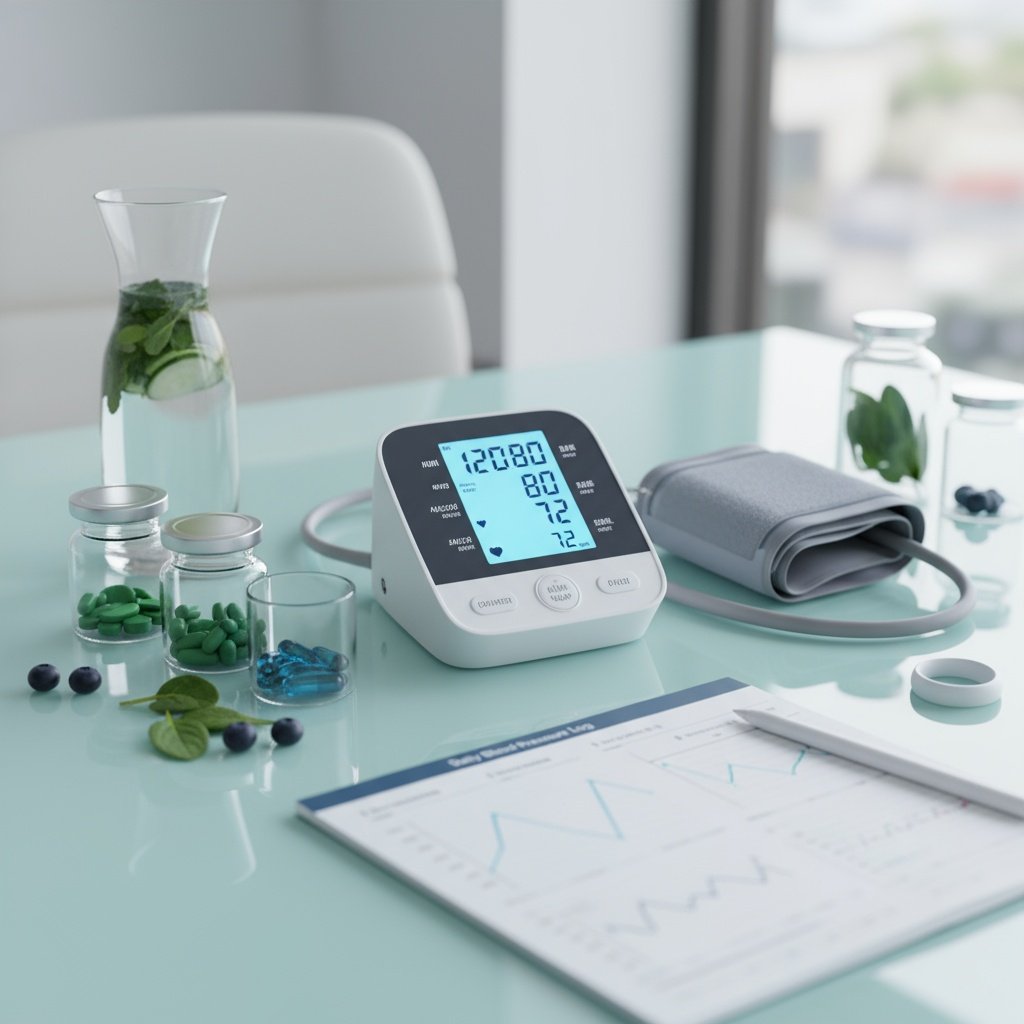
To successfully build your blood pressure tracking routine, here’s what you’ll need:
- Reliable Blood Pressure Monitor: An automatic upper-arm cuff model is generally recommended for accuracy. Look for one validated by organizations like the American Medical Association or the British Hypertension Society.
- Substitution: Wrist monitors can be an option if arm cuffs don’t fit, but they require careful positioning for accuracy.
- Tracking Method: A dedicated notebook, a health app on your smartphone, or a printable blood pressure log.
- Substitution: Some smart blood pressure monitors come with their own apps that sync readings automatically.
- Consistent Time Slots: Decide on specific times each day (e.g., morning and evening) to take your readings.
- Comfortable Environment: A quiet, relaxed space where you can sit undisturbed for a few minutes.
- Patience and Consistency: These are your most important “ingredients” for long-term success!
Why It Matters
For individuals managing chronic conditions like diabetes or hypertension, diligent blood pressure tracking isn’t just helpful; it’s crucial. High blood pressure often has no symptoms, earning it the nickname “the silent killer.” Regular tracking provides vital insights into how lifestyle choices, stress, and medications affect your readings. Studies show that patients who actively monitor their blood pressure at home often achieve better control and can reduce their risk of complications by understanding their patterns and sharing this data with their healthcare team. It’s like having a daily check-up on your heart, helping you stay ahead of potential problems.
Step-by-Step Guide / Practical Tips
Ready to start your blood pressure tracking journey? Here’s how:
Choose the Right Monitor
- Automatic Cuff: An upper-arm cuff is typically the most accurate for home use. Ensure the cuff size fits your arm correctly.
- Validation Matters: Look for devices that have been clinically validated.
- ✅ Check: Does the cuff fit snugly but not too tightly?
- ✅ Check: Is it easy for you to use on your own?
Establish Your Routine
- Consistency is Key: Take your blood pressure at the same times each day, typically once in the morning before medication and food, and once in the evening.
- Before You Measure: Sit calmly for 5 minutes with your feet flat on the floor, back supported, and arm resting on a table at heart level. Avoid caffeine, exercise, and smoking for 30 minutes prior.
- ✅ Check: Have you built this into your daily schedule?
- ✅ Check: Are you relaxed before taking your reading?
Take Multiple Readings
- Two is Better: Take two or three readings a minute apart, and record the average. This helps account for normal fluctuations.
- Record Immediately: Don’t rely on memory. Jot down the numbers as soon as you’ve taken them.
- 💡 Quick Tip: Always measure your blood pressure in the same arm for consistency.
Understand Your Numbers
- Systolic (Top Number): Pressure when your heart beats.
- Diastolic (Bottom Number): Pressure when your heart rests between beats.
- Normal Levels: Generally below 120/80 mmHg, but discuss target levels with your doctor, especially if you have chronic conditions.
- ✅ Check: Do you know your target blood pressure range?
Expert Insight
Regular home blood pressure tracking offers a more accurate picture than clinic readings alone, as it minimizes the “white coat effect” where anxiety can temporarily raise readings. Consistent data empowers both you and your doctor to make informed decisions about your treatment plan. Remember, even small, consistent changes in lifestyle can significantly impact your blood pressure numbers over time.
Common Mistakes to Avoid
- Measuring after coffee or exercise:
- Correction: Wait at least 30 minutes after consuming caffeine, exercising, or smoking.
- Using the wrong cuff size:
- Correction: Ensure your cuff fits properly – too small gives falsely high readings, too large, falsely low. Measure your arm circumference and choose accordingly.
- Measuring randomly or only when feeling ill:
- Correction: Stick to a consistent daily schedule, even if you feel fine. This provides a baseline and reveals subtle trends.
- Not sitting properly:
- Correction: Always sit upright, with your back supported, feet flat on the floor, and your arm at heart level without crossing your legs.
- ⚠️ Reminder: Never self-adjust your medication based on home readings without consulting your doctor.
How to Track or Apply It
Once you’ve taken your readings, the next step is consistent logging. Whether you prefer a simple notebook, a digital health app, or a printable chart, the key is to be diligent. Record the date, time, your systolic and diastolic numbers, and your heart rate. You can also add notes about anything unusual that day, like stress, specific foods, or exercise.
To make this even easier, consider using digital tools designed for this purpose. StopComplications offers various printable logs and digital templates that can help you maintain accurate records effortlessly. Our free tools are designed to streamline your blood pressure tracking and help you identify patterns you can share with your doctor.
Conclusion
Creating a consistent blood pressure tracking routine is a powerful step towards safeguarding your heart health, especially if you’re managing conditions like diabetes or hypertension. By understanding your numbers and recognizing patterns, you become an active partner in your healthcare journey. Remember, small steps today can prevent big complications tomorrow.
FAQs
Q: How often should I track my blood pressure?
A: Most doctors recommend taking it twice a day, usually in the morning and evening, for consistent monitoring.
Q: My readings vary a lot. Is that normal?
A: Some variation is normal. Factors like stress, activity, and even the time of day can influence readings. Consistent tracking helps identify your personal average and any significant trends.
Q: When should I contact my doctor about my blood pressure readings?
A: Always discuss your readings with your doctor. If your blood pressure suddenly or consistently reads very high (e.g., typically over 180/120 mmHg) or very low, seek immediate medical attention.
Q: Can lifestyle changes really help lower blood pressure?
A: Absolutely! Healthy eating, regular physical activity, maintaining a healthy weight, reducing sodium, and managing stress are all powerful tools in lowering and controlling blood pressure.
Ready to take control of your heart health? Download our free blood pressure log and tracking guide today at StopComplications.com and start building a healthier future!