Table of Contents
Is your blood pressure acting up? You’re not alone. Millions grapple with the daily challenge of managing their blood pressure, often feeling overwhelmed by conflicting advice. The good news? One of the most powerful tools against high blood pressure (BP) is already at your disposal: exercise. But how much exercise is truly enough to see a significant difference in your blood pressure levels? We’re here to cut through the noise and provide clear, actionable steps to harness the power of cand blood pressure management. StopComplications is dedicated to empowering you with practical, sustainable lifestyle changes that make a real impact on your heart health, so let’s dive into simple movement tips to reduce BP naturally.
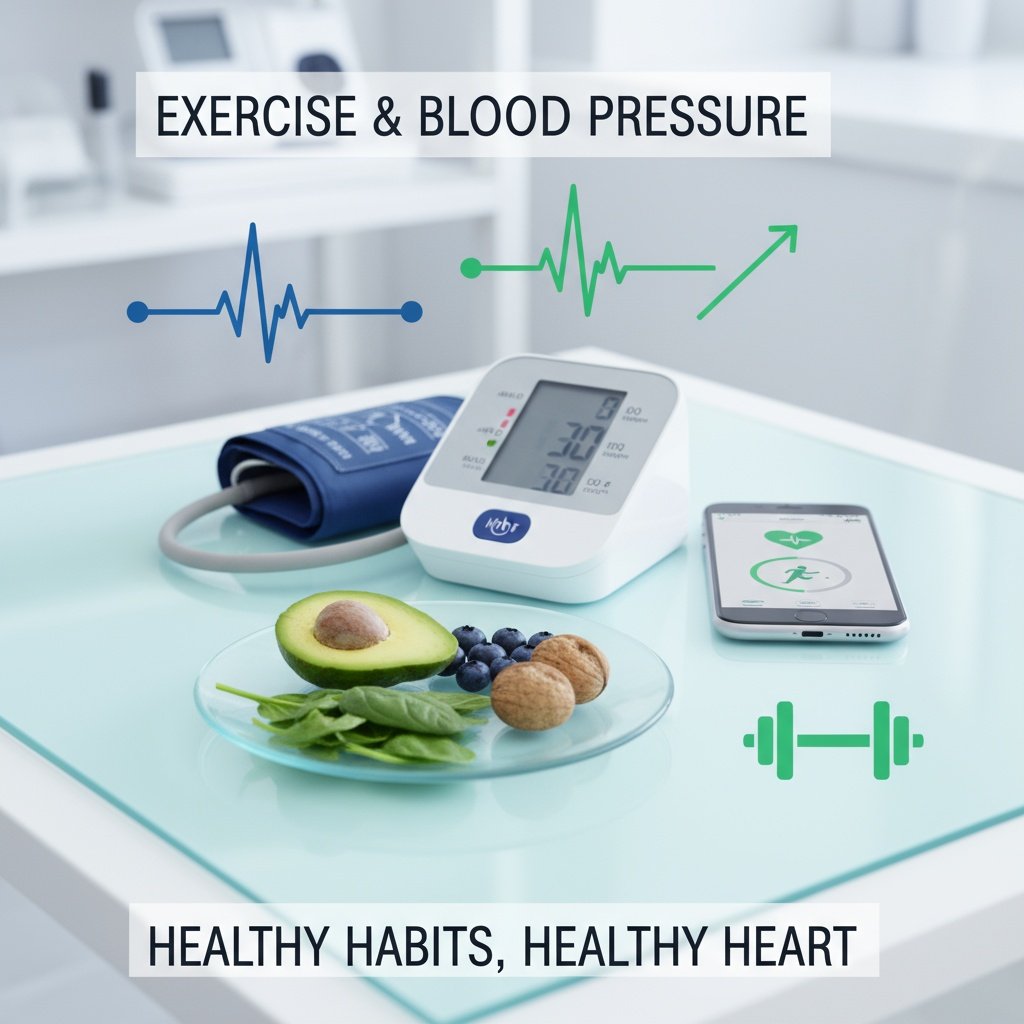
Ingredients List for a Healthier BP:
To effectively lower your blood pressure through physical activity, think of it less as a chore and more as gathering the right “ingredients” for a successful recipe. Here’s what you’ll need:
- Your Body: Ready to move! No special equipment needed to start.
- Comfortable Shoes: Essential for walking, jogging, or any activity involving your feet. Look for good support.
- Loose-fitting Clothing: Allows for full range of motion and keeps you comfortable.
- A Water Bottle: Staying hydrated is key, especially during and after exercise.
- A Positive Mindset: Believe in your ability to make a change!
- Optional but Helpful:
- Activity Tracker: A pedometer, smartwatch, or phone app can help you monitor steps and progress.
- Resistance Bands/Light Weights: For strengthening exercises, a great addition once you’ve built a base.
- A Buddy: Exercising with a friend can boost motivation and make it more enjoyable!
Introduction
Did you know that regular physical activity can lower your blood pressure by as much as 5 to 8 mm Hg? For many, this reduction can be as effective as some blood pressure medications. Yet, despite this powerful benefit, figuring out the “right” amount and type of exercise and blood pressure-lowering activity can feel like navigating a maze. This post will clarify exactly how much movement you need, what types are most effective, and how to seamlessly integrate them into your daily routine. We’re offering you a straightforward path to take control of your heart health.
Why It Matters
High blood pressure isn’t just a number; it’s a silent threat to your future health. Uncontrolled hypertension significantly increases your risk of serious conditions like heart disease, stroke, and kidney failure. Statistics show that nearly half of all adults in the United States have high blood pressure, and many don’t even know it. Incorporating regular exercise can be a game-changer. It strengthens your heart, making it pump blood more efficiently. This reduces the force on your arteries, leading to lower blood pressure. Think of it as a natural medication with a host of positive side effects, from better mood to improved sleep. Failing to address high blood pressure can lead to a lifetime of medical complications, making proactive steps like consistent exercise absolutely vital.
Step-by-Step Guide / Practical Tips
Here’s how to gradually build up your physical activity to positively impact your blood pressure:
Start Small, Stay Consistent
You don’t need to run a marathon on day one. Begin with manageable activities you enjoy. Aim for 10-15 minutes of brisk walking most days of the week, and gradually increase.
- ✅ Take the stairs instead of the elevator.
- ✅ Park further away and walk a bit more.
- ✅ Go for a short walk after dinner.
Embrace Aerobic Activity
Aerobic, or “cardio,” exercise is your best friend when it comes to blood pressure. It gets your heart pumping and strengthens your cardiovascular system.
- 🏃♀️ Brisk walking, jogging, swimming
- 🚴 Cycling, dancing
- 💃 Group fitness classes like Zumba or aerobics
Incorporate Strength Training
Don’t overlook muscle-building exercises! Strength training helps build lean muscle mass, which burns more calories even at rest and supports overall metabolic health. Aim for 2-3 sessions per week.
- 💪 Use light hand weights or resistance bands.
- 🏋️♀️ Bodyweight exercises like squats, lunges, push-ups (modified as needed).
- ⏱️ Focus on proper form over heavy lifting.
Find Your “Moderate Intensity”
You should be able to talk, but not sing, during moderate exercise. This is where your body gets the most benefit for blood pressure control.
- 🗣️ If you can chat comfortably, pick up the pace slightly.
- Breathe a little harder than usual.
- Feel a light sweat.
💡 Quick Tip: Consistency beats intensity every time! Aim for daily movement rather than sporadic, intense workouts.
Expert Insight
- “Regular moderate-intensity aerobic exercise can lower systolic blood pressure by 4-9 mmHg, a reduction comparable to that achieved with many antihypertensive medications.” – American Heart Association This highlights the significant impact just consistent, moderate effort can have.
- “For individuals with hypertension, combining aerobic and resistance training can provide synergistic benefits, often leading to greater reductions in blood pressure than either modality alone.” This suggests a well-rounded approach is most effective for cardiovascular health.
Common Mistakes to Avoid
- Doing Too Much Too Soon:
- Mistake: Jumping into high-intensity workouts without a gradual build-up, leading to injury or burnout.
- Correction: Start with short durations and low intensity, slowly increasing as your fitness improves.
- Ignoring Strength Training:
- Mistake: Focusing only on cardio and neglecting muscle-strengthening exercises.
- Correction: Incorporate 2-3 days of light strength training to gain comprehensive benefits for your heart and metabolism.
- Lack of Consistency:
- Mistake: Exercising diligently for a week or two, then stopping for weeks.
- Correction: Make exercise a non-negotiable part of your daily routine, even if it’s just a 15-minute walk. Small, regular efforts add up.
- Not Hydrating Enough:
- Mistake: Forgetting to drink water before, during, and after exercise.
- Correction: Carry a water bottle and sip regularly. Dehydration can affect your body’s performance and recovery.
How to Track or Apply It
Making exercise a consistent habit is key. Start by scheduling your exercise just like any other important appointment. You can use a simple notebook, a calendar app, or a fitness tracker to log your activities. Note down the type of exercise, duration, and how you felt. This helps you identify what works best and keeps you motivated.
- Daily Log: Jot down “20-min brisk walk,” “30-min cycling,” or “15-min strength exercises.”
- Weekly Goal Setting: Aim for 150 minutes of moderate-intensity aerobic activity and two resistance training sessions per week.
- Celebrate Small Wins: Acknowledge your progress, no matter how small!
- StopComplications free tools can help you track your blood pressure readings alongside your activity levels, providing a comprehensive view of your health journey. See how your consistent efforts lead to positive changes!
Conclusion
Taking charge of your blood pressure through regular exercise is one of the most proactive steps you can take for your long-term health. Remember, it’s not about being an Olympic athlete; it’s about consistent, moderate movement that fits into your life. By understanding how much exercise and blood pressure actively influences your heart health, you empower yourself with knowledge and simple, tangible actions. Small steps today can prevent big complications tomorrow.
Ready to take the next step in managing your health effectively? Visit us at StopComplications.com for more valuable resources, free tools, and expert advice to help you navigate your journey toward better health.
FAQs
Q: How quickly can exercise lower my blood pressure?
A: You might see initial improvements within a few weeks of consistent exercise, but significant and sustained reductions typically appear after 1 to 3 months of regular activity.
Q: What if I don’t have a lot of time for exercise?
A: Even short bursts of activity, like 10-minute walks throughout the day, can add up and provide benefits. Aim for consistency over long, infrequent sessions.
Q: Can exercise replace my blood pressure medication?
A: Exercise is a powerful tool, but it’s crucial to discuss any changes to your medication with your doctor. Never stop or adjust your prescribed medications without medical guidance.
Q: Are there any types of exercise I should avoid with high blood pressure?
A: For most people, light to moderate exercise is safe and beneficial. However, very heavy weightlifting or extremely intense, short bursts of activity can temporarily spike blood pressure. If you have severe hypertension or other heart conditions, consult your doctor before starting any new exercise regimen.