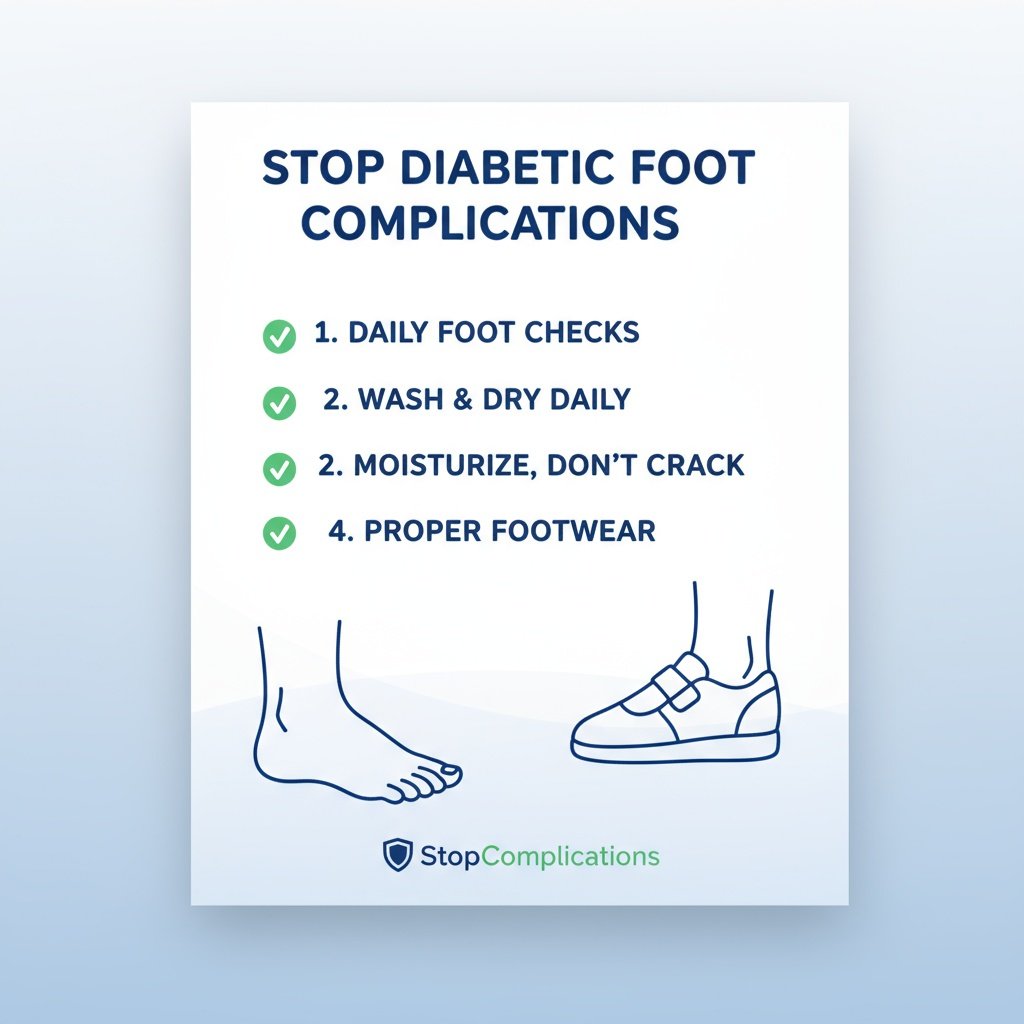
Essential Diabetic Foot Care Tips
Ingredients List
To successfully implement a proactive diabetic foot care tips routine, you don’t need fancy tools. Think of these as essential “ingredients” for healthy feet. Here’s a clear, organized list:
- Soft, Breathable Socks:
- Suggestions: Cotton, bamboo, or specialized diabetic socks. Avoid tight elastic bands that can restrict blood flow.
- Substitutions: Wool blends for cooler climates, ensuring they aren’t scratchy.
- Comfortable, Well-Fitting Shoes:
- Suggestions: Shoes with ample toe room, good arch support, and non-slip soles. Look for styles made from soft, pliable materials like leather or mesh.
- Substitutions: Open-toed shoes for breathability in warm weather, as long as they offer adequate protection. Avoid high heels or pointed-toe shoes.
- Gentle Foot Cleanser:
- Suggestions: Mild, pH-balanced soap or a specialized diabetic foot wash.
- Substitutions: Unscented, hypoallergenic body wash. Avoid harsh antibacterial soaps that can dry out the skin.
- Moisturizer (Unscented):
- Suggestions: Lanolin-free, urea-free, or petroleum jelly-based creams. Look for products designed for sensitive skin.
- Substitutions: Natural oils like coconut oil or shea butter, used sparingly. Avoid applying between toes.
- Soft Towel:
- Suggestions: Microfiber or a soft cotton towel for gentle drying.
- Nail Clippers or File:
- Suggestions: Straight-edge clippers or an emery board for carefully shaping nails.
- Mirror (Optional but Recommended):
- Suggestions: A small, handheld mirror to check the bottoms of your feet easily.
These simple “ingredients,” applied consistently, can make a significant difference in preventing complications and keeping your feet healthy and happy.

Introduction
Did you know that every 30 seconds, someone with diabetes loses a limb due to diabetic foot complications? This startling statistic highlights a critical issue many patients face: the silent, yet devastating, impact of poor foot health. The good news is that most of these serious outcomes are preventable with consistent and attentive diabetic foot care tips. This post will provide actionable strategies and practical advice to help you protect your feet and maintain your independence.
Why It Matters
For individuals managing chronic conditions like diabetes, hypertension, or heart disease, foot health isn’t just about comfort—it’s about preventing life-altering complications. Diabetes can damage nerves (neuropathy) and blood vessels, leading to reduced sensation and poor circulation in the feet. This means a small cut, blister, or ingrown toenail can go unnoticed and quickly turn into a severe infection or ulcer. Studies show that diabetic foot ulcers precede as many as 85% of diabetes-related amputations. By prioritizing diabetic foot care, you’re not just saving your feet; you’re safeguarding your overall health and quality of life.
Step-by-Step Guide / Practical Tips
Taking care of your feet doesn’t have to be complicated. Here are practical diabetic foot care tips to integrate into your daily routine:
Daily Foot Checks
Make it a habit to inspect your feet every single day.
- ✅ Look for cuts, blisters, redness, swelling, or changes in skin color.
- ✅ Use a mirror to check the bottoms of your feet and between your toes.
- ✅ Pay attention to any new pain, tingling, or numbness.
Wash Your Feet Daily
Cleanliness is key to preventing infections.
- ✅ Use lukewarm water and a mild soap.
- ✅ Gently wash your feet, including between your toes.
- ✅ Dry your feet thoroughly, especially between the toes, to prevent fungal growth.
Moisturize, But Not Between Toes
Keep your skin healthy and prevent cracks.
- ✅ Apply a good quality moisturizer to your feet after washing.
- ✅ Avoid applying moisturizer between your toes, as this can encourage fungal infections.
Trim Nails Carefully
Improper nail trimming can lead to ingrown toenails.
- ✅ Trim your toenails straight across.
- ✅ Do not cut them too short or round the corners.
- ✅ If you have thick or discolored nails, consider seeing a podiatrist.
Choose Your Footwear Wisely
Protect your feet from injury.
- ✅ Always wear comfortable, well-fitting shoes that provide good support.
- ✅ Break in new shoes slowly.
- ✅ Wear clean, soft, non-binding socks daily. Avoid going barefoot, even indoors.
Expert Insight
💡 Quick Tip: Regular physical activity, like walking, helps improve circulation in your feet. Aim for short, frequent walks if longer periods are difficult, always wearing supportive footwear!
Nerve damage (neuropathy) often means you won’t feel pain from a developing blister or injury. This is why daily visual checks are so crucial—you’re looking for signs your body can’t feel. Additionally, high blood sugar levels can impair the body’s ability to fight off infections, making even minor foot injuries dangerous. Consistent blood sugar management is a vital component of complete diabetic foot care.
Common Mistakes to Avoid
- Soaking Feet in Hot Water:
- Mistake: Many believe soaking helps, but hot water can burn feet with reduced sensation.
- Correction: Use lukewarm water and test the temperature with your elbow before immersing your feet.
- Cutting Calluses or Corns Yourself:
- Mistake: Using sharp objects or over-the-counter removers can cause serious injury and infection.
- Correction: Always let a foot care professional (podiatrist) treat calluses, corns, or bunions.
- Going Barefoot:
- Mistake: Even indoors, going barefoot exposes your feet to cuts, splinters, and infections that you might not feel.
- Correction: Always wear shoes or protective slippers, even around the house.
- Wearing Ill-Fitting Shoes:
- Mistake: Shoes that are too tight, too loose, or rub can cause blisters and sores.
- Correction: Have your feet measured regularly, and choose shoes with plenty of toe room and good support. Shop for shoes in the afternoon when your feet are slightly swollen.
- Ignoring Minor Issues:
- Mistake: Thinking a small blister, redness, or cut will heal on its own.
- Correction: Any change or injury to your foot, no matter how small, should be examined closely. If it doesn’t improve within a day or two, or if you see signs of infection (pus, warmth, increasing pain), contact your doctor immediately.
How to Track or Apply It
Making diabetic foot care tips a daily habit is easier when you track your efforts. You can simply use a small notebook to jot down your daily foot check, noting any observations or concerns. Many people find visual reminders helpful—a sticky note on the bathroom mirror reminding you to check your feet. To make this even easier and more consistent, consider using StopComplications free tools! These resources can help you log your daily foot checks, track changes, and stay on top of your foot health routine. Consistent monitoring allows you to catch potential issues early, before they become serious.
Conclusion
Taking proactive steps for your foot health is one of the most empowering things you can do to manage diabetes and protect your well-being. By incorporating these essential diabetic foot care tips into your daily routine, you are actively preventing complications and ensuring your feet carry you through life comfortably and safely. Remember, small steps today can prevent big complications tomorrow. Start with one simple change, and build from there.
Ready to take control of your long-term health? Visit StopComplications.com to explore our free tools and e-books designed to help you manage chronic conditions and live a healthier life. Your journey to better health starts now!
FAQs
Q: How often should someone with diabetes see a foot doctor?
A: It’s generally recommended that individuals with diabetes have a comprehensive foot exam by a podiatrist at least once a year, or more frequently if they have specific risk factors or existing foot problems.
Q: Can I walk barefoot if my diabetes is well-controlled?
A: Even with well-controlled diabetes, it’s safer to always wear protective footwear, even indoors. You might not feel a small cut or puncture wound, which could lead to serious infection.
Q: What are the first signs of a problem I should look for?
A: Look for any cuts, scrapes, blisters, redness, swelling, warmth, changes in skin color, numbness, tingling, or unusual pain. Any new or worsening symptom warrants close attention.
Q: Is it okay to use a heating pad on my feet if they feel cold?
A: No, it’s not advised to use heating pads or hot water bottles on your feet. Due to potential nerve damage, you might not feel if the temperature is too high, leading to severe burns. Instead, wear warm socks.