Table of Contents
Common Mistakes in Glucose Monitoring: Avoid These 7 Tracking Traps!
Ingredients List
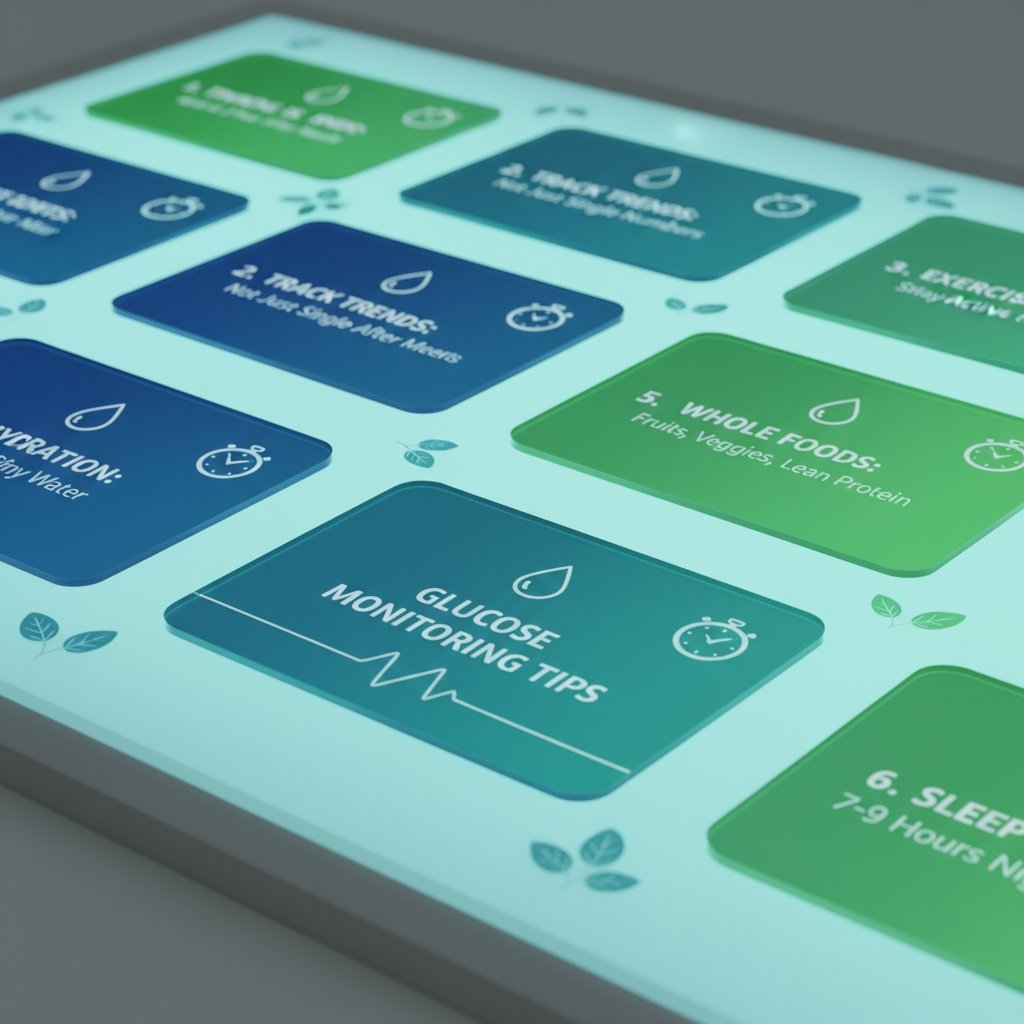
To master your glucose monitoring, you’ll need a few key “ingredients.” Think of these as your essential tools for getting the most accurate glucose monitoring tips and insights:
- Reliable Glucose Meter: Your primary tool for blood sugar readings. Look for one that’s easy to use and provides consistent results.
- Test Strips: Specific to your glucose meter model. Always check the expiration date!
- Lancets & Lancing Device: Used to get a small blood sample. Keep sterile lancets on hand.
- Alcohol Swabs: For cleaning your fingertip before testing, ensuring a clean and accurate reading.
- Logbook or Tracking App: Essential for recording your readings and noting any relevant activities (meals, exercise, medication).
- Healthy Snacks (Optional but Recommended!): To have on hand in case of a low blood sugar reading.
- A “Why”: Your motivation for consistent monitoring – whether it’s better health, more energy, or avoiding complications.
Introduction
Did you know that up to 70% of people with diabetes don’t consistently monitor their blood sugar levels as recommended? This common oversight can significantly impact your health journey. If you’re struggling to make sense of your glucose readings or wondering if you’re even doing it right, you’re not alone. Mastering glucose monitoring tips is crucial for managing chronic conditions like diabetes, hypertension, and protecting your heart health. This post will unveil the top mistakes people make and provide actionable solutions to get accurate readings every time, giving you peace of mind and control.
Why It Matters
Accurate glucose monitoring isn’t just about a number; it’s a window into your body’s response to food, exercise, stress, and medication. For individuals managing diabetes, hypertension, or actively working towards heart health, inconsistent or incorrect readings can lead to significant health risks. For example, relying on inaccurate glucose data can lead to improper medication dosages, increasing the risk of dangerous highs or lows. Research shows that consistent self-monitoring significantly reduces HbA1c levels, a key indicator of long-term blood sugar control, illustrating its vital role in preventing severe complications like nerve damage, kidney disease, and heart attacks. It empowers you to make informed decisions about your lifestyle and medical care.
Step-by-Step Guide / Practical Tips
Getting accurate readings requires a consistent approach. Follow these practical glucose monitoring tips to ensure your data is reliable:
Choose the Right Time to Test
- Fasting: First thing in the morning before eating or drinking anything (except water).
- Before Meals: Right before you start to eat.
- 2 Hours After Meals: To see how food impacts your blood sugar.
- Before & After Exercise: To understand how physical activity affects your glucose.
- When Feeling Unwell: Illness can significantly impact blood sugar levels.
✅ Consistency helps you spot patterns.
Prep Your Hands Properly
- Wash Your Hands: Always wash with soap and warm water, then dry thoroughly. Residual food, sugar, or lotion can contaminate the reading.
- Avoid Alcohol Swabs (Unless Necessary): If you use an alcohol swab, ensure the area is completely dry before pricking. Alcohol can sometimes interfere with the reading.
Use Fresh Test Strips and Lancets
- Check Expiration Dates: Expired test strips can give inaccurate results.
- One and Done: Use a new lancet every time you test. Reusing lancets makes them dull, causing more pain, and can increase the risk of infection.
Alternate Finger Sites
- Rotate Fingers: Don’t always use the same fingertip. This can reduce soreness and calluses.
- Sides of the Finger: Prick the sides of your fingertip, not the very center, as it has fewer nerve endings and is less painful.
Expert Insight
💡 Quick Tip: Dehydration can sometimes cause higher-than-normal blood sugar readings. Stay well-hydrated, especially when feeling unwell, to support accurate monitoring and overall health.
The American Diabetes Association (ADA) emphasizes that self-monitoring of blood glucose (SMBG) is a critical tool for individuals to evaluate glycemic control and assess the effectiveness of their treatment plan. Consistent tracking allows both you and your healthcare provider to understand day-to-day fluctuations and make necessary adjustments to diet, exercise, or medication, leading to better long-term health outcomes.
Common Mistakes to Avoid
Even with the best intentions, it’s easy to fall into common glucose monitoring traps. Here’s how to steer clear of them:
Not Calibrating Your Meter (If Required): Some older meters need calibration.
- Correction: Always check your meter’s manual and perform calibration checks as recommended. Most modern meters self-calibrate.
Using Expired Test Strips: Accuracy plummets with expired strips.
- Correction: Always check the expiration date on the vial and discard any strips past their prime. Store strips in their original tightly closed container away from heat or moisture.
Applying a “Squeezed” Blood Sample: Forcing out a drop of blood can dilute it with tissue fluid, altering the reading.
- Correction: Let the blood drop form naturally. If it’s too small, try re-pricking a different finger or warming your hands first to improve circulation.
Not Washing Hands Before Testing: Food residue or dirt can dramatically skew results.
- Correction: Make handwashing with soap and warm water a non-negotiable step before every test.
Ignoring the Readings: The numbers are meaningless if you don’t act on them.
- Correction: Use your readings to identify patterns, adjust your diet or activity, and discuss findings with your healthcare team. Record them!
How to Track or Apply It
Applying these glucose monitoring tips means making them a regular part of your health routine. The best way to track your progress and insights is by logging your readings. You can use a simple notebook, a dedicated diabetes diary, or a health app on your smartphone. When logging, make sure to include:
- Date and time of the test
- Glucose reading
- Any relevant notes (e.g., “after breakfast,” “before exercise,” “stressed,” “medication taken”)
This detailed log becomes an invaluable tool for you and your doctor. Remember to regularly review your log for patterns. StopComplications free tools can help simplify this process, providing easy-to-use templates for tracking your glucose levels, blood pressure, and more.
Conclusion
Mastering accurate glucose monitoring is a powerful step towards taking control of your health. By avoiding common mistakes and applying these proven glucose monitoring tips, you’re not just getting numbers; you’re gaining vital insights that empower you to make better choices every day. Small steps today can prevent big complications tomorrow, especially when it comes to managing conditions like diabetes and protecting your heart.
Ready to take control? Visit StopComplications.com today to download our free glucose tracking log and other essential tools designed to help you manage your health with confidence!
FAQs
Q: How often should I check my blood sugar?
A: The frequency depends on your individual needs and treatment plan. Your doctor or diabetes educator will provide specific guidelines, but common times include fasting, before meals, and 2 hours after meals.
Q: What should I do if my meter gives an unexpected reading?
A: First, wash your hands, use a new strip, and retest. If the reading is still significantly different from what you expect, especially if you feel symptoms, contact your healthcare provider.
Q: Can stress affect my blood sugar readings?
A: Yes, stress can definitely impact blood sugar levels. When stressed, your body releases hormones that can cause glucose levels to rise. It’s helpful to note periods of high stress in your log.
Q: Is there a “normal” blood sugar range I should aim for?
A: Target ranges can vary based on individual factors, but general guidelines are often 70-130 mg/dL before meals and less than 180 mg/dL two hours after meals. Always discuss your personal target ranges with your healthcare provider.