Table of Contents
Ingredients List
To help you avoid common blood pressure mistakes and manage your hypertension naturally, here’s a taste of what we’ll cover, along with some powerful additions that can make a difference in your journey:
- Knowledge & Awareness: Understanding what not to do is the first step toward better health. This includes recognizing the subtle ways lifestyle choices impact your heart.
- Sodium Smart Swaps: Learn to identify hidden sodium and embrace flavorful alternatives. Think fresh herbs, spices, and homemade seasonings instead of processed sauces and convenience foods.
- Hydration Heroes: Water, glorious water! Discover how proper hydration supports healthy blood pressure and what drinks to limit. Sip on infused water with cucumber and mint for a refreshing twist.
- Movement Masters: We’ll explore simple, enjoyable ways to incorporate physical activity into your day. From brisk walks to gentle yoga, find routines that uplift you.
- Mindfulness & Stress Busters: Uncover techniques to calm your nervous system, such as deep breathing exercises, short meditation practices, or simply spending time in nature. Chamomile tea can be a soothing addition to your evening routine.
- Sleep Solutions: Good sleep is a cornerstone of health. We’ll discuss hacks for a more restful night, like creating a dark, cool sleep environment and avoiding screens before bed. A warm bath with Epsom salts can also promote relaxation.
- Whole Foods Focus: Embrace a diet rich in fruits, vegetables, lean proteins, and whole grains. Think vibrant salads bursting with color, hearty lentil stews, and lean grilled fish.
- Potassium Powerhouses: Foods like bananas, spinach, sweet potatoes, and avocados are your allies. These natural wonders help counterbalance sodium and support healthy blood pressure.
- Magnesium Magic: Almonds, cashews, dark chocolate (in moderation!), and leafy greens contribute vital magnesium, known to relax blood vessels.
- Consistent Monitoring: Learn the importance of regular blood pressure checks and how to interpret your numbers. A reliable home blood pressure cuff is a valuable tool.
Did you know that nearly half of all adults in the U.S. have high blood pressure, and many don’t even realize it? This silent threat, also known as hypertension, can lead to serious health problems like heart disease and stroke if left unmanaged. While medication plays a vital role for some, understanding and correcting common blood pressure mistakes in your daily life can significantly improve your numbers naturally. We’re here to guide you through these crucial adjustments to empower you on your health journey.
Why It Matters
High blood pressure isn’t just a number; it’s a major risk factor for chronic conditions that impact millions. For those managing diabetes, hypertension can accelerate kidney damage and nerve issues. For heart health, consistently high blood pressure strains your arteries and heart muscle, significantly increasing the risk of heart attacks and strokes. Studies show that maintaining a healthy blood pressure can reduce your risk of heart disease by up to 30%. It’s about protecting your long-term vitality and quality of life.
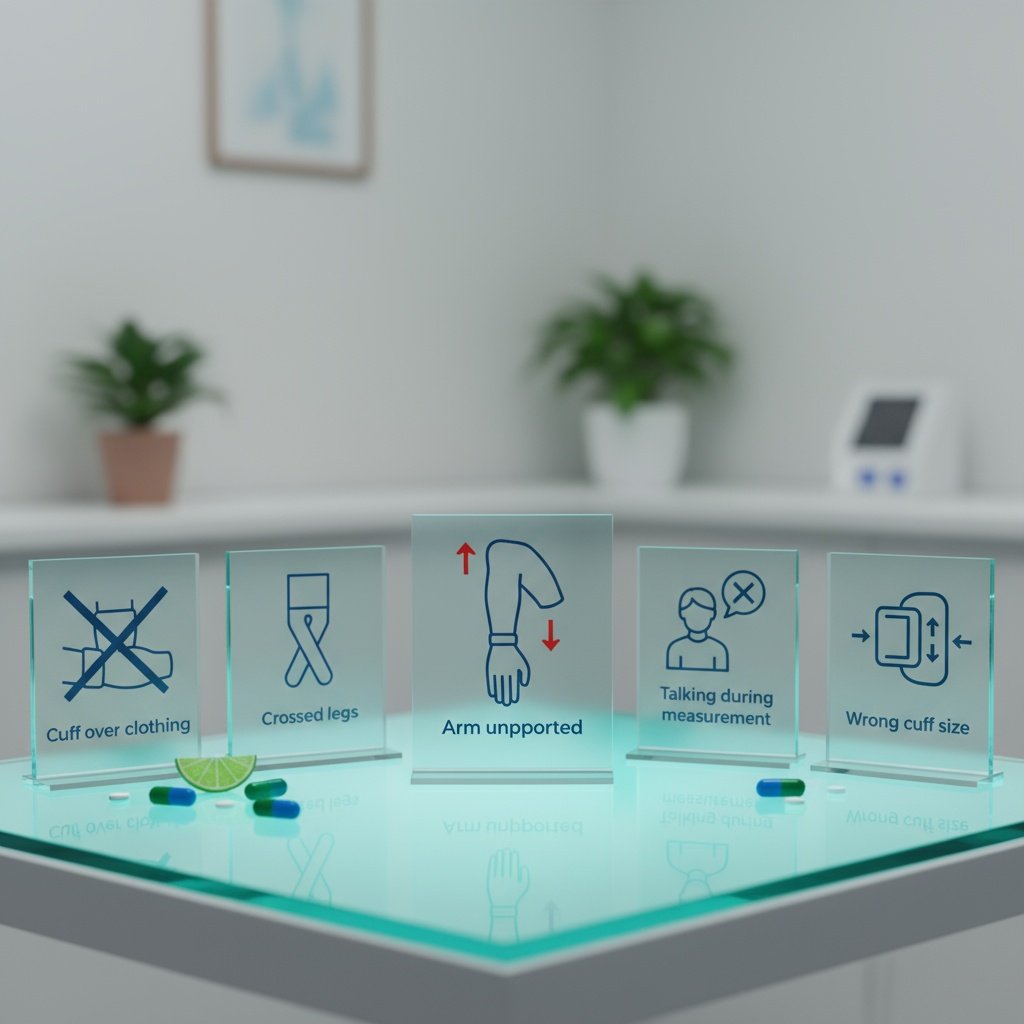
Practical Tips for Better Blood Pressure
Prioritize Sodium Awareness
Sodium is a major culprit in high blood pressure, but it’s often hidden in unexpected places.
- ✅ Read Food Labels: Check the “Nutrition Facts” panel for sodium content, aiming for less than 2,300 mg per day, or even lower (1,500 mg) if recommended by your doctor.
- ✅ Limit Processed Foods: Canned soups, deli meats, frozen meals, and fast food are often packed with sodium.
- ✅ Cook at Home: When you cook, you control the ingredients. Season with herbs, spices, lemon juice, or vinegar instead of relying on salt.
Embrace Regular Movement
You don’t need to be a marathon runner to benefit from physical activity.
- ✅ Aim for 30 Minutes: Strive for at least 30 minutes of moderate-intensity exercise most days of the week. This could be a brisk walk, cycling, swimming, or dancing.
- ✅ Break It Up: Can’t do 30 minutes at once? Three 10-minute walks are just as effective.
- ✅ Find What You Enjoy: Consistency is key, so choose activities you genuinely like.
Manage Your Stress Levels
Stress triggers your body to release hormones that can temporarily raise blood pressure.
- ✅ Practice Relaxation Techniques: Deep breathing, meditation, yoga, or spending time in nature can help calm your mind.
- ✅ Prioritize Sleep: Aim for 7-9 hours of quality sleep each night. A consistent sleep schedule helps regulate your body’s systems.
- ✅ Connect with Others: Social support can be a powerful stress reliever.
Adopt a Heart-Healthy Diet
What you eat directly impacts your blood pressure.
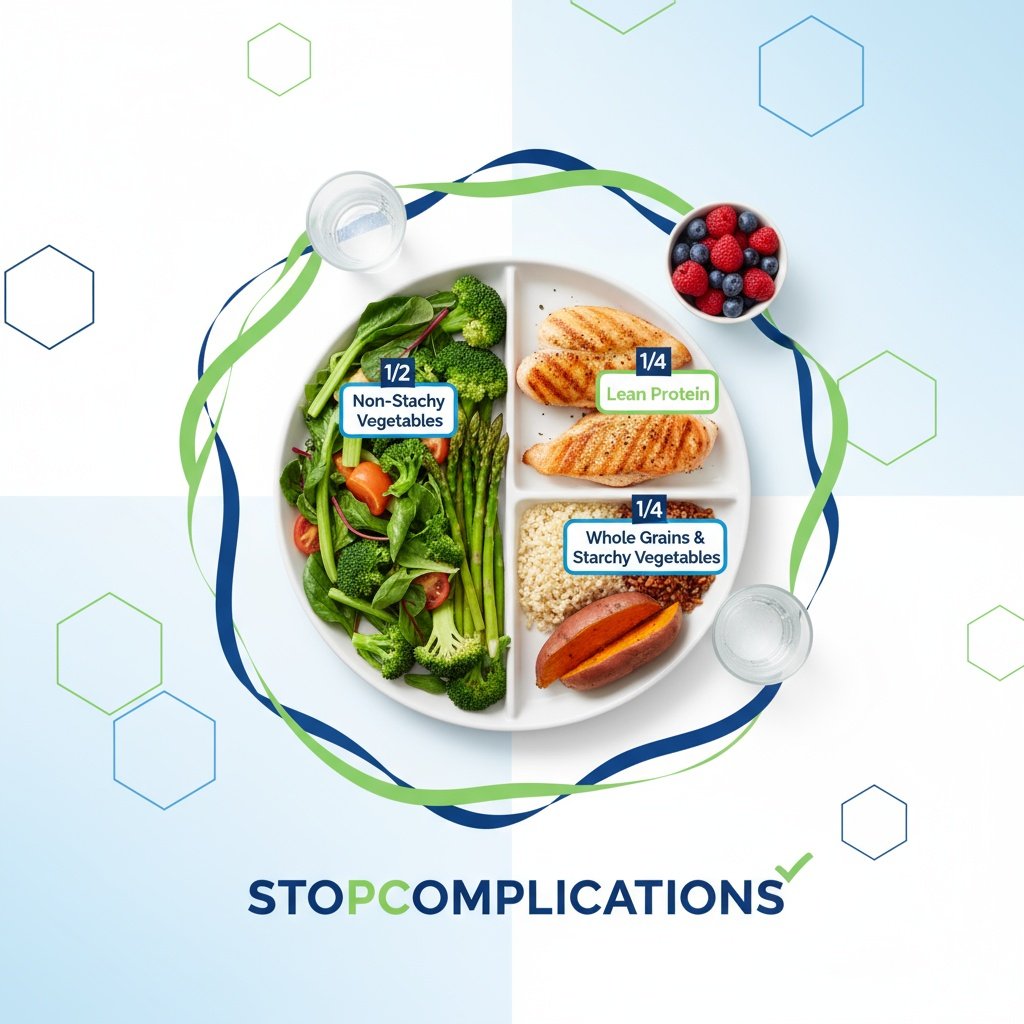
- ✅ Focus on Fruits & Veggies: Fill half your plate with colorful produce at every meal. They’re packed with potassium and fiber.
- ✅ Choose Whole Grains: Opt for brown rice, whole-wheat bread, and oats over refined grains.
- ✅ Lean Proteins & Healthy Fats: Incorporate fish, poultry, beans, nuts, and olive oil. Limit red meat and unhealthy saturated/trans fats.
Expert Insight
💡 Quick Tip: Even a small reduction in sodium intake can make a noticeable difference in blood pressure readings for many individuals.
Maintaining a healthy weight significantly impacts blood pressure; losing even 5-10% of your body weight can lower your blood pressure and reduce the need for medication.
Common Mistakes to Avoid
Mistake 1: Ignoring Regular Blood Pressure Checks
Problem: Many people only check their blood pressure at the doctor’s office, missing fluctuations or early signs of hypertension.
Correction: Invest in a reliable home blood pressure monitor. Check your blood pressure consistently at the same time each day (e.g., morning and evening) and keep a log. This provides a more accurate picture for you and your healthcare provider.
Mistake 2: Relying Solely on “Low-Salt” or “Reduced Sodium” Labels
Problem: These labels can be misleading. While they contain less sodium than their full-sodium counterparts, they can still contribute significantly to your daily intake.
Correction: Always check the “Nutrition Facts” label for the actual milligram amount of sodium per serving. Compare different brands and prioritize whole, unprocessed foods.
Mistake 3: Believing You’ll “Feel” High Blood Pressure
Problem: High blood pressure is often called the “silent killer” because it usually has no noticeable symptoms until it’s critically high or causes damage.
Correction: Do not wait for symptoms. Regular screening, especially if you have risk factors (family history, age, weight), is crucial for early detection and management.
Mistake 4: Stopping Medication When Blood Pressure Improves
Problem: Feeling better and seeing lower numbers can tempt individuals to stop or reduce medication without consulting their doctor.
Correction: Never adjust your medication regimen without professional medical advice. Your medication is likely working to keep your blood pressure in check. Stopping prematurely can lead to dangerous spikes.
How to Track or Apply It
Applying these tips to your daily life starts with awareness and consistency. Begin by choosing one area to focus on, such as reading food labels or adding a 15-minute walk. Keep a simple journal or use a smartphone app to log your daily physical activity, what you eat, and your blood pressure readings. This personal data can reveal patterns and motivate you to continue. Our StopComplications free tools, like downloadable food diaries and blood pressure trackers, can help you organize this information effortlessly.
FAQs
Q: Can stress really raise my blood pressure permanently?
A: While acute stress causes temporary spikes, chronic stress can contribute to long-term high blood pressure by promoting unhealthy coping mechanisms (like overeating or inactivity) and by constantly activating your sympathetic nervous system. Managing stress is vital for overall heart health.
Q: Are there any specific foods that can lower blood pressure?
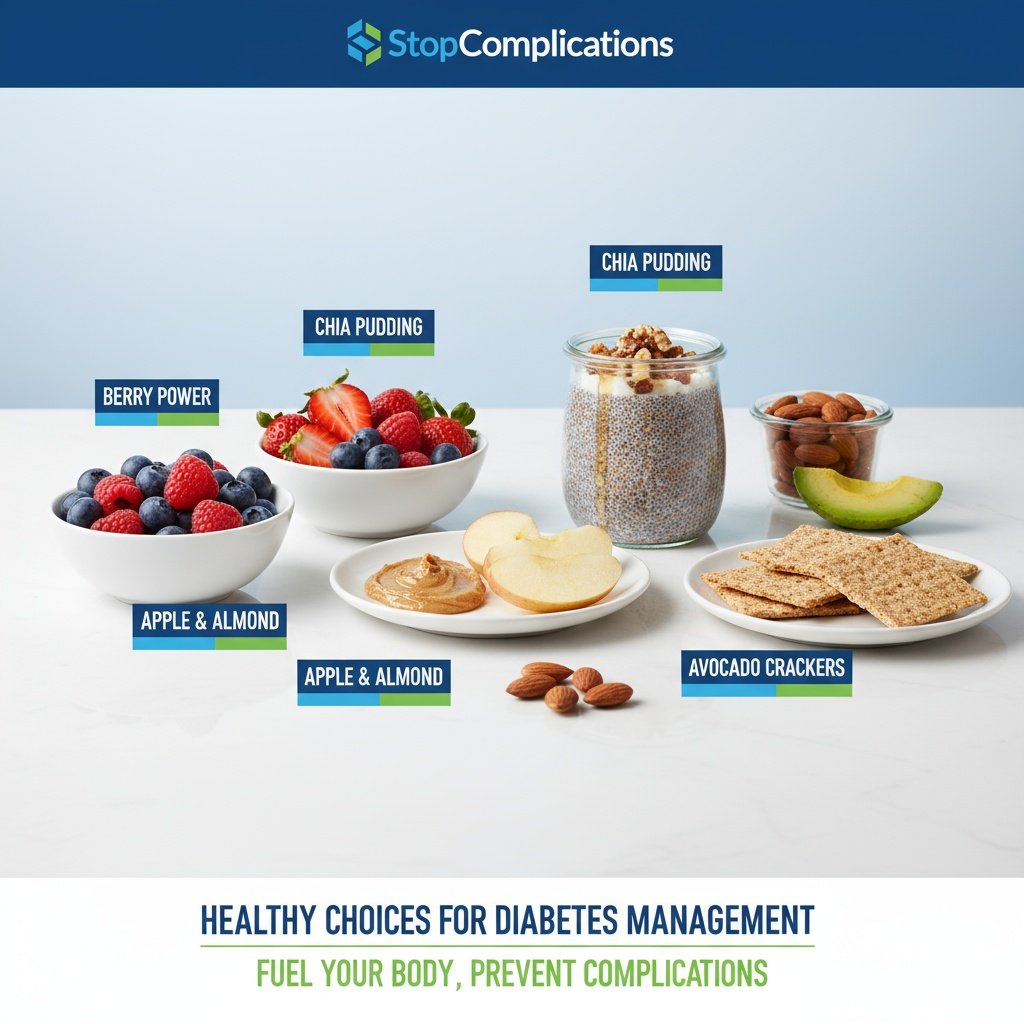
A: While no single food is a miracle cure, incorporating foods rich in potassium, magnesium, and fiber can help. Think leafy greens, bananas, avocados, berries, lean proteins, and whole grains. The DASH (Dietary Approaches to Stop Hypertension) diet is a food plan specifically designed to lower blood pressure.
Q: How often should I check my blood pressure at home?
A: If you have high blood pressure or are at risk, checking it once or twice daily, at consistent times, is generally recommended. Always follow your doctor’s specific advice on frequency.
Q: Is it safe to exercise if I have high blood pressure?
A: For most people with well-controlled high blood pressure, regular exercise is not only safe but highly recommended. However, it’s always best to consult your doctor before starting any new exercise routine, especially if you have uncontrolled hypertension or other health conditions.
Small steps today can prevent big complications tomorrow. By understanding and avoiding these common blood pressure mistakes, you’re taking powerful control over your heart health. Ready to dive deeper into managing your chronic conditions confidently? Visit StopComplications.com today to download our free tools and ebooks designed to support your journey towards a healthier, happier you!