Table of Contents
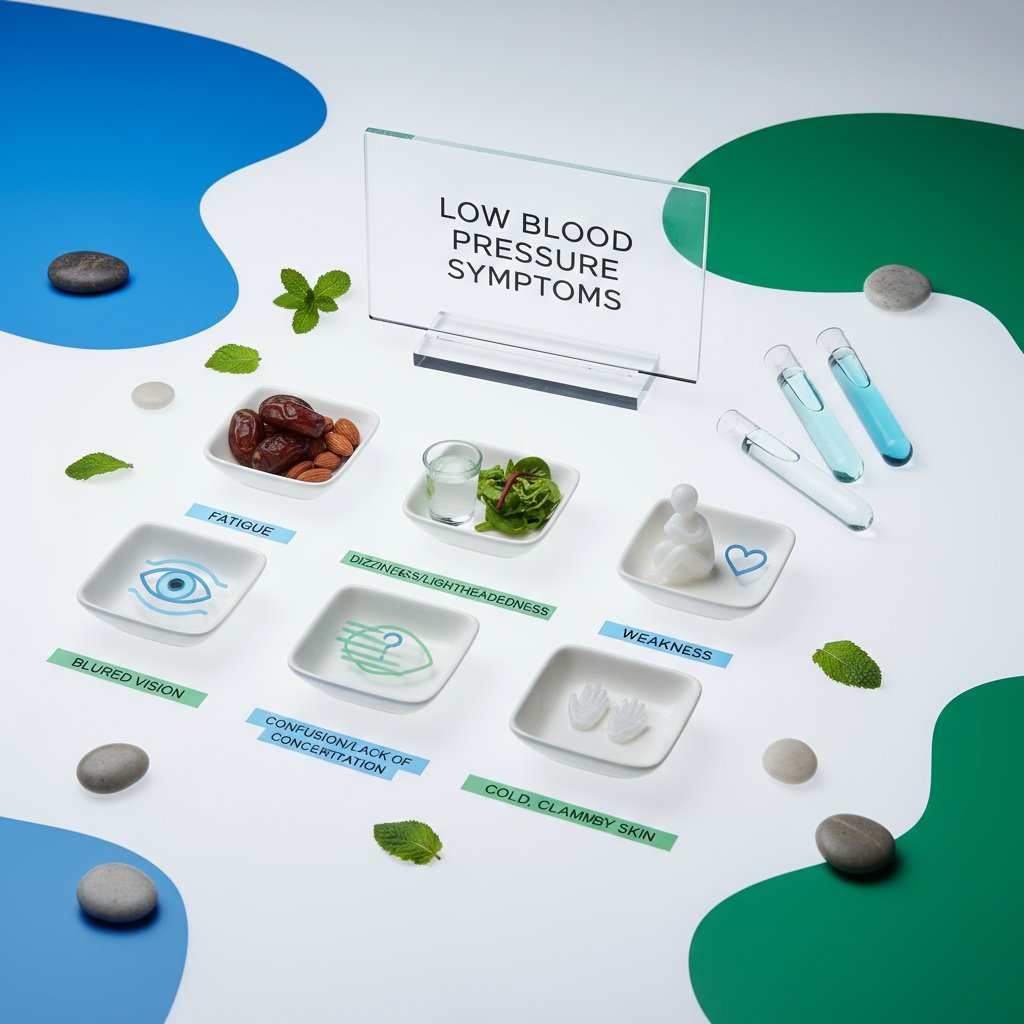
Introduction
Did you know that while high blood pressure often grabs headlines, low blood pressure can sometimes be just as serious? Many people don’t realize that feeling lightheaded or dizzy could be a sign of something more concerning. Understanding your body’s signals, especially low blood pressure symptoms, is key to staying healthy. This post will walk you through what to look for and offer simple steps you can take to manage it, ensuring you have actionable solutions at your fingertips.
Why It Matters
Fluctuations in blood pressure can significantly impact people with chronic conditions like diabetes, hypertension, and heart disease. For example, a sudden drop in blood pressure (orthostatic hypotension) affects up to 20% of older adults and can double the risk of falls. This isn’t just about feeling a bit wobbly; it can lead to serious injuries. Unmanaged low blood pressure can also reduce blood flow to vital organs, potentially worsening existing chronic conditions or increasing the risk of organ damage over time. It’s about protecting your long-term health and preventing bigger problems down the road.
Step-by-Step Guide / Practical Tips
Stay Hydrated Throughout the Day
Dehydration is a common culprit behind low blood pressure.
- Drink plenty of water, even if you don’t feel thirsty.
- Keep a water bottle handy as a visual reminder.
- Consider electrolyte-rich drinks after exercise or in hot weather.
Eat Small, Frequent Meals
Large meals can divert blood flow to your digestive system, leading to a temporary drop in blood pressure.
- Aim for 5-6 smaller meals rather than 3 large ones.
- Focus on balanced meals with lean protein, whole grains, and plenty of vegetables.
- Avoid skipping meals.
Move Slowly When Changing Positions
Sudden movements, especially standing up quickly, can trigger orthostatic hypotension.
- When getting out of bed, sit on the edge for a minute or two first.
- Rise slowly from a seated position.
- Support yourself by holding onto a stable object if needed.
Watch Your Salt Intake (If Advised)
While typically associated with high blood pressure, some forms of low blood pressure can benefit from a slight increase in sodium – but always check with your doctor first.
- Do NOT increase salt without medical guidance.
- If advised, carefully add salt to your diet through foods like briny pickles or a small amount in cooking.
Wear Compression Stockings
These specially designed stockings help improve blood circulation in your legs, which can prevent blood from pooling and help maintain blood pressure.
- Consult your doctor to see if compression stockings are right for you.
- Ensure they fit properly – not too tight or too loose.
- Wear them during the day as directed.
Expert Insight
💡 Quick Tip: Some medications for chronic conditions, such as diuretics for hypertension or certain diabetes drugs, can sometimes contribute to low blood pressure. Always discuss any new low blood pressure symptoms with your healthcare provider to review your medications.
⚠️ Reminder: While these tips can help, sudden or severe low blood pressure symptoms like fainting or confusion require immediate medical attention. Don’t self-diagnose; seek professional help.
Common Mistakes to Avoid
- Ignoring Symptoms:
- Mistake: Brushing off dizziness or lightheadedness as just “getting old” or “being tired.”
- Correction: Pay attention to your body. Keep a journal of when and how often you experience low blood pressure symptoms.
- Self-Medicating with Salt:
- Mistake: Adding extra salt to your diet without consulting a doctor because you heard it helps with low blood pressure.
- Correction: Always discuss dietary changes with your healthcare provider, especially when managing blood pressure or chronic conditions. Too much salt can be harmful for others.
- Dehydrating Beverages:
- Mistake: Relying on coffee, tea, or soda for hydration.
- Correction: While these can provide some fluid, plain water is the best choice. Caffeinated drinks can sometimes have a diuretic effect.
- Stopping Medication Without Advice:
- Mistake: Stopping prescribed medication because you suspect it’s causing your low blood pressure.
- Correction: Never adjust or stop your medication without speaking to your doctor first. They can work with you to find the right balance.
How to Track or Apply It
Applying these tips to your daily life can make a real difference. Start by choosing one or two tips to focus on each week. For instance, dedicate yourself to drinking an extra glass of water each morning or practicing slow transitions when standing up. Keeping a simple log of your low blood pressure symptoms and how you feel after implementing changes can be incredibly helpful. You can easily track your hydration, meal timing, and even medication schedule using journals or apps.
Remember, consistency is key. To help you stay on track, check out our StopComplications free tools designed to help you monitor your health journey, including customizable trackers for hydration, blood pressure readings, and various lifestyle habits.
Conclusion
Understanding low blood pressure symptoms and knowing when to act is a vital part of managing your overall health, particularly if you live with chronic conditions. By staying hydrated, eating smart, moving mindfully, and working closely with your healthcare team, you can proactively manage your blood pressure and prevent potentially serious complications. Small steps today can prevent big complications tomorrow, empowering you to live a healthier, more stable life.
Ready to take control of your health? Visit StopComplications.com to explore our resources and download free tools that can help you on your wellness journey.
FAQs
Q: What are the main warning signs of dangerously low blood pressure?
A: Severe low blood pressure symptoms that warrant immediate medical attention include fainting, confusion, cold, clammy, or pale skin, rapid, shallow breathing, and a weak and rapid pulse. If you experience these, seek emergency care.
Q: Can certain foods help raise low blood pressure?
A: While no specific “miracle foods” exist, eating small, frequent, balanced meals with adequate salt (if advised by your doctor) and staying well-hydrated helps maintain blood volume and stabilize blood pressure. Foods rich in B vitamins like leafy greens and whole grains can also contribute to overall energy and circulatory health.
Q: Is low blood pressure always a concern?
A: Not always. For some healthy individuals, naturally low blood pressure (e.g., 90/60 mmHg or lower) is normal and doesn’t cause any problems. It only becomes a concern if it causes noticeable low blood pressure symptoms or is a sudden drop from your usual levels, especially if accompanied by other health issues.
Q: How often should I check my blood pressure if I suspect it’s low occasionally?
A: If you experience occasional low blood pressure symptoms, it’s a good idea to check your blood pressure at home regularly, especially when you feel dizzy or lightheaded. Keep a log of your readings and symptoms to share with your doctor. They can then advise on the frequency and appropriate next steps.