Table of Contents
Ingredients List (What You’ll Need to Understand Your BP)
To truly grasp what your blood pressure numbers meaning for your health, you’ll need a few key “ingredients”:
- Curiosity and an Open Mind: Essential for learning and making positive changes. (Substitution: A willingness to improve your well-being).
- Your Latest Blood Pressure Readings: Find out what your doctor measured, or use a reliable home monitor.
- A Basic Understanding of Numbers: Don’t worry, we’ll explain everything simply.
- A Touch of Patience: Health improvements are a journey, not a sprint.
- Commitment to Lifestyle Changes: Small, consistent choices make a big difference.
Introduction
Did you know that nearly half of all adults in the United States have high blood pressure, and many don’t even realize it? This silent condition, often called hypertension, is a leading risk factor for heart disease, stroke, and kidney issues. But what do those two numbers your doctor or home monitor gives you actually mean? Understanding your blood pressure numbers meaning is the first crucial step toward taking control of your heart health and preventing serious complications. We’re here to break down these vital figures into actionable insights, helping you navigate your health journey with confidence.
Why It Matters
For individuals managing chronic conditions like diabetes or pre-existing heart concerns, monitoring blood pressure isn’t just important—it’s critical. Uncontrolled high blood pressure can significantly worsen these conditions, accelerating damage to vital organs and increasing the risk of severe complications. For instance, high blood pressure doubles the risk of heart failure in people with diabetes, and studies show it’s a major contributor to kidney disease progression. Taking proactive steps to understand and manage your blood pressure can dramatically improve your long-term health outlook and quality of life.
Step-by-Step Guide: Decoding Your Blood Pressure Numbers
Understanding your blood pressure readings empowers you to take charge. Here’s a simple guide:
What Do the Two Numbers Represent?
Your blood pressure reading consists of two numbers:
- The Top Number (Systolic): This records the pressure in your arteries when your heart beats, pushing blood out. It’s like the “peak” pressure.
- The Bottom Number (Diastolic): This measures the pressure in your arteries when your heart rests between beats, refilling with blood. It’s the “resting” pressure.
What Are Healthy Ranges?
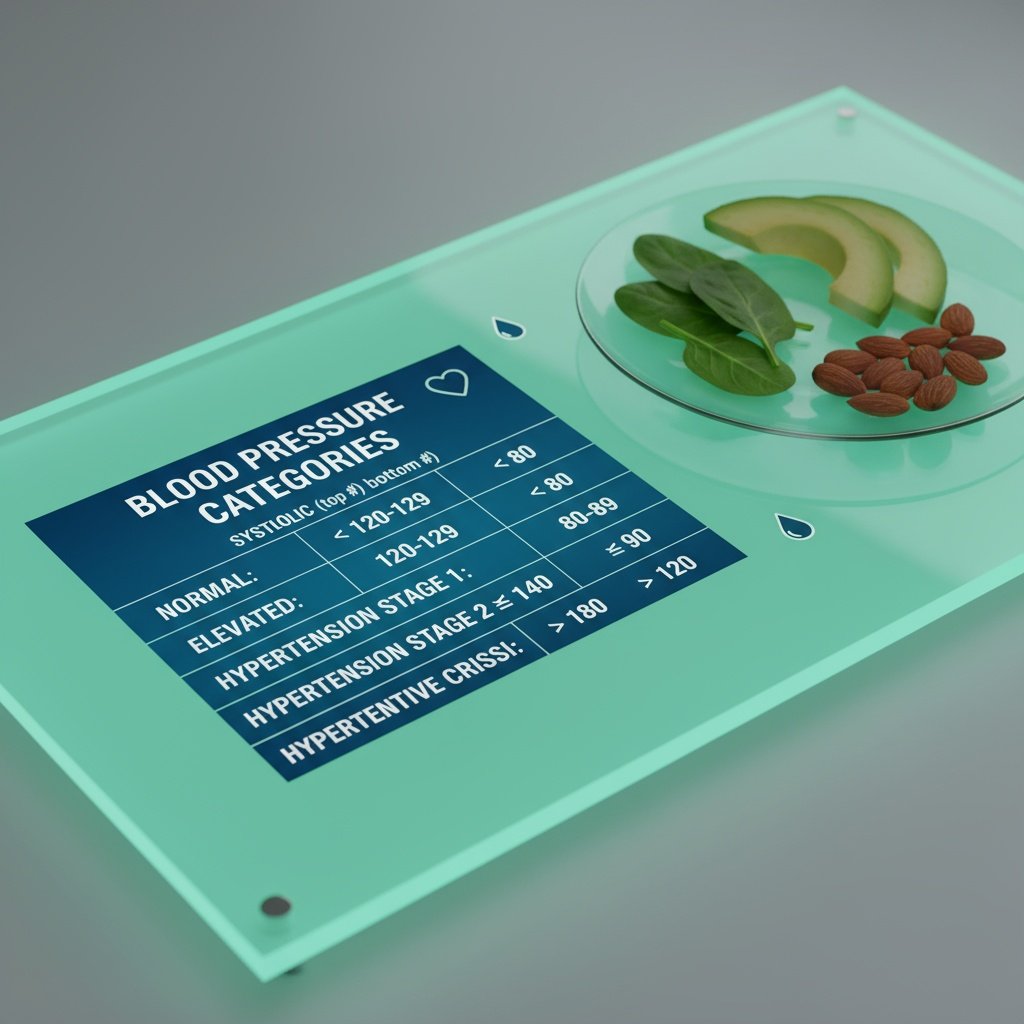
Knowing what your blood pressure numbers meaning in terms of categories is key:
- Normal: Systolic Less than 120 and Diastolic Less than 80 (e.g., 115/75)
- Elevated: Systolic 120-129 and Diastolic Less than 80 (e.g., 125/78)
- High Blood Pressure (Hypertension Stage 1): Systolic 130-139 or Diastolic 80-89 (e.g., 135/85)
- High Blood Pressure (Hypertension Stage 2): Systolic 140 or higher or Diastolic 90 or higher (e.g., 145/92)
✅ Always consult your doctor for a diagnosis and personalized advice.
Lifestyle Changes That Make a Difference
Small, consistent healthy habits can significantly impact your readings.
- Eat a Balanced Diet: Focus on fruits, vegetables, whole grains, and lean proteins.
- Limit sodium intake.
- Reduce processed foods.
- Stay Active: Aim for at least 30 minutes of moderate exercise most days of the week.
- Walking
- Swimming
- Cycling
- Maintain a Healthy Weight: Losing even a small amount of weight can lower blood pressure.
- Manage Stress: Find healthy ways to cope with stress.
- Meditation
- Deep breathing exercises
- Hobbies
Regular Monitoring and Doctor Visits
Consistent monitoring, whether at home or during doctor visits, helps track progress and adjust your plan.
- Keep a log of your readings.
- Attend all scheduled appointments.
- Discuss any concerns with your healthcare provider.
Expert Insight
Did you know that research consistently shows a strong link between persistent stress and elevated blood pressure? Chronic stress can activate your body’s “fight or flight” response, leading to temporary spikes in blood pressure that, over time, can contribute to hypertension. Additionally, the American Heart Association emphasizes that lifestyle changes alone can often prevent “elevated” blood pressure from progressing to full-blown hypertension, highlighting the power of proactive self-care.
Common Mistakes to Avoid
Understanding your blood pressure numbers meaning goes beyond just seeing the figures; it also involves avoiding common pitfalls.
- Ignoring Elevated Readings:
- Mistake: Thinking “it’s only a little high, I’m fine.”
- Correction: Elevated readings are a warning sign. Use them as motivation to adopt healthier habits and discuss with your doctor.
- Inconsistent Monitoring:
- Mistake: Checking blood pressure only occasionally or when feeling unwell.
- Correction: Monitor regularly, at the same time each day, to get accurate trends. Keep a consistent log.
- Self-Diagnosing or Adjusting Medication:
- Mistake: Making health decisions based solely on home readings without professional input.
- Correction: Always share your readings with your doctor. They will provide diagnosis and medication adjustments if needed.
- Blaming a Single High Reading:
- Mistake: Panicking over one high reading, even if other readings are normal.
- Correction: Blood pressure fluctuates. Focus on the average trend over time rather than isolated numbers.
💡 Quick Tip: Ensure your blood pressure cuff is the correct size for your arm; an ill-fitting cuff can give inaccurate readings!
How to Track or Apply It
Once you understand what your blood pressure numbers meaning, the next step is to put that knowledge into action. Begin by consistently monitoring your blood pressure at home using a validated device. Record your readings (systolic and diastolic) along with the date and time. Look for patterns over several days or weeks rather than focusing on a single reading.
You can easily apply these tips by creating a daily or weekly plan for your healthy habits – schedule your walks, plan your nutritious meals, and dedicate time for stress-reducing activities. To simplify tracking and empower you further, explore the free tools available at StopComplications. Our resources can help you log your readings, track your progress, and stay motivated on your journey to better heart health!
Conclusion
Deciphering your blood pressure numbers meaning is a powerful step towards safeguarding your heart and overall well-being. By knowing your numbers, understanding what they represent, and consistently applying simple, sustainable lifestyle changes, you can proactively manage your health. Remember, small steps today can prevent big complications tomorrow. Empower yourself with knowledge and action.
FAQs
Q: What is a “normal” blood pressure reading?
A: A normal blood pressure reading is generally considered to be less than 120/80 mmHg.
Q: Can I lower my blood pressure without medication?
A: For many people with elevated or even early-stage high blood pressure, significant reductions can be achieved through lifestyle changes like a healthy diet, regular exercise, maintaining a healthy weight, and stress management. Always consult your doctor to determine the best approach for you.
Q: Why are there two numbers in a blood pressure reading?
A: The top number (systolic) measures the pressure when your heart beats and pushes blood. The bottom number (diastolic) measures the pressure when your heart rests between beats. Both are important for understanding your heart health.
Q: How often should I check my blood pressure at home?
A: If you have high blood pressure or are at risk, your doctor will advise you. Generally, checking once or twice daily at consistent times is recommended for monitoring. If your blood pressure is normal, occasional checks are usually sufficient.
Ready to take control of your health journey? Visit StopComplications.com today to download our free e-books and tools designed to help you manage your blood pressure, prevent diabetes, and protect your heart health!