Table of Contents
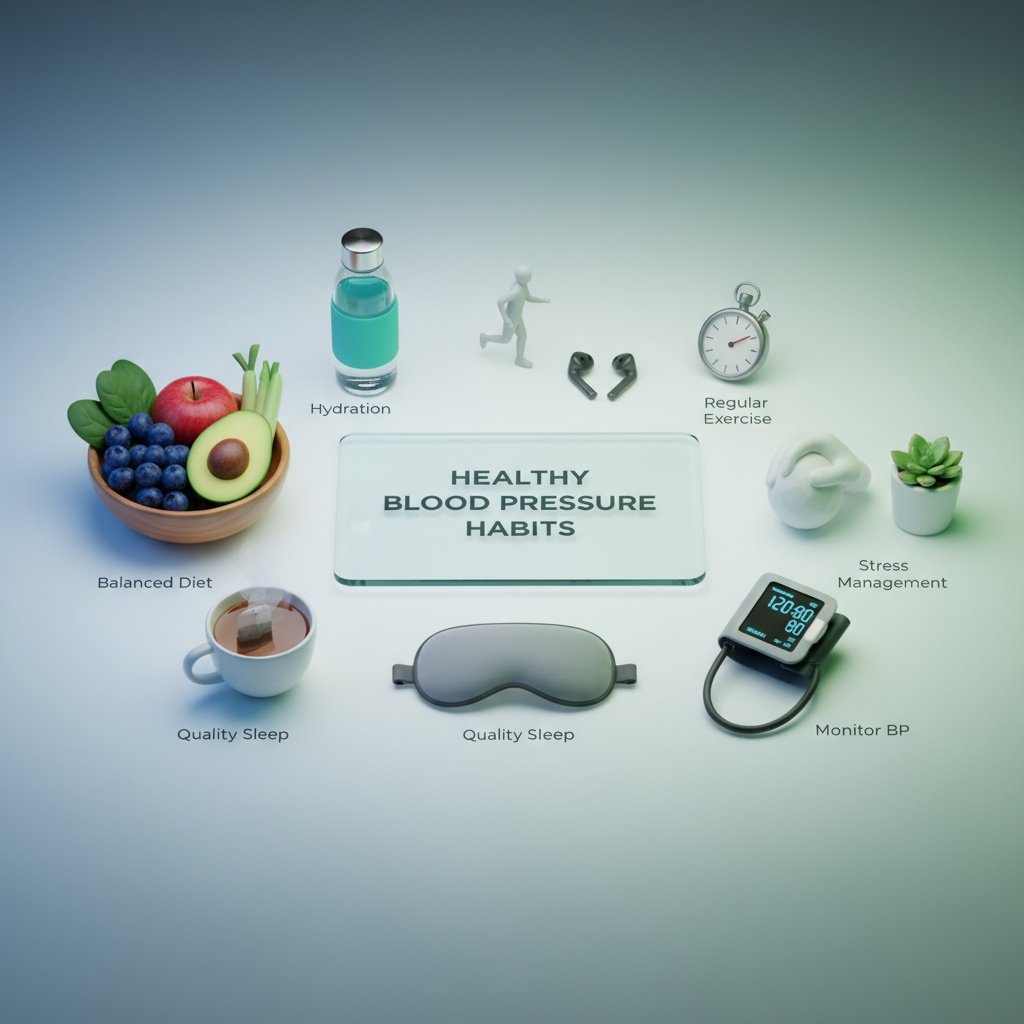
To cultivate healthy blood pressure habits, you don’t need exotic ingredients, just a commitment to well-being. Think of these as your daily recipe for a healthier heart.
- Fresh Fruits & Veggies: Aim for a rainbow of colors! Think crunchy bell peppers, juicy berries, leafy spinach, and potassium-rich bananas.
- Substitution: Frozen fruits and vegetables are just as nutritious and convenient.
- Lean Proteins: Chicken breast, fish (especially fatty fish like salmon), beans, lentils, and tofu.
- Substitution: Eggs, Greek yogurt, or other plant-based protein sources.
- Whole Grains: Oats, brown rice, quinoa, whole-wheat bread.
- Substitution: Sweet potatoes or other complex carbohydrates.
- Healthy Fats: Avocados, nuts (unsalted!), seeds, olive oil.
- Substitution: Small amounts of dark chocolate (70% cocoa or higher).
- Water: Plenty of it! It’s essential for all bodily functions.
- Substitution: Unsweetened herbal teas or infused water (cucumber and mint).
- Comfortable Walking Shoes: For daily activity.
- A Quiet Space (or Headphones): For stress reduction and mindfulness.
- Journal or Tracker: To monitor progress and meals.
Introduction
Did you know that nearly half of all adults in the United States have high blood pressure, yet many don’t even know it? High blood pressure often has no warning signs, silently increasing your risk of serious health problems like heart attack and stroke. The good news is, you’re not powerless. By understanding and adopting key healthy blood pressure habits, you can take charge of your cardiovascular health. This post will walk you through actionable, everyday habits that empower you to maintain optimal blood pressure and live a fuller, healthier life.
Why It Matters
For individuals navigating chronic conditions like diabetes or pre-diabetes, and those with a family history of heart disease, managing blood pressure is not just a recommendation—it’s a critical component of overall health. Uncontrolled high blood pressure can exacerbate existing conditions, leading to faster progression of kidney disease in diabetics or increasing the likelihood of neuropathy. According to the CDC, high blood pressure contributes to 500,000 deaths in the U.S. each year. By actively working on your blood pressure, you’re not just preventing a single issue; you’re safeguarding your entire body against a cascade of complications, ensuring your organs can function optimally for years to come.
Step-by-Step Guide / Practical Tips
Here are the essential habits for maintaining healthy blood pressure:
1. Embrace a Heart-Healthy Diet
What you eat directly impacts your blood pressure. Focus on nutrients that support cardiovascular health.
- ✅ Load Up on Potassium: Found in bananas, sweet potatoes, spinach, and avocados, potassium helps balance sodium levels.
- ✅ Limit Sodium: Processed foods, canned soups, and restaurant meals are often high in sodium. Read labels and choose low-sodium options.
- ✅ Boost Fiber Intake: Whole grains, fruits, and vegetables are excellent sources of fiber, which can help lower blood pressure.
2. Get Moving Regularly
Physical activity strengthens your heart, making it more efficient at pumping blood and thus lowering pressure.
- ✅ Aim for 30 Minutes: Most days of the week, engage in moderate-intensity activities like brisk walking, cycling, or swimming.
- ✅ Break It Up: Can’t do 30 minutes at once? Three 10-minute walks are just as effective.
- ✅ Find What You Enjoy: Consistency is key, so choose activities you genuinely like.
3. Maintain a Healthy Weight
Even a small amount of weight loss can significantly reduce blood pressure.
- ✅ Calculate Your BMI: Understand where you stand, but remember it’s just one tool.
- ✅ Focus on Sustainable Changes: Crash diets rarely work long-term. Aim for slow, steady progress through diet and exercise.
- ✅ Seek Support: Join a health group or work with a nutritionist if needed.
4. Manage Stress Effectively
Stress hormones can temporarily raise blood pressure, and chronic stress contributes to long-term issues.
- ✅ Practice Mindfulness: Meditation, deep breathing exercises, or yoga can calm your nervous system.
- ✅ Prioritize Sleep: Aim for 7-9 hours of quality sleep each night. Poor sleep elevates stress hormones.
- ✅ Engage in Hobbies: Dedicate time to activities that bring you joy and help you relax.
5. Limit Alcohol and Avoid Smoking
Both alcohol and tobacco are detrimental to blood pressure and overall heart health.
- ✅ Moderate Alcohol Intake: If you drink, do so in moderation (up to one drink per day for women, two for men).
- ✅ Quit Smoking: This is one of the most impactful steps you can take for your heart. Seek resources to help you quit.
6. Monitor Your Blood Pressure at Home
Regularly checking your blood pressure at home provides valuable data and empowers you to track your progress.
- ✅ Invest in a Reliable Monitor: Choose an automatic cuff that fits your arm properly.
- ✅ Measure Consistently: Take readings at the same time each day for accurate comparisons.
- ✅ Keep a Log: Share your readings with your doctor, even if they seem normal.
Expert Insight
💡 Quick Tip: The DASH (Dietary Approaches to Stop Hypertension) eating plan is not just for diagnosed hypertension; it’s a fantastic blueprint for anyone seeking to prevent high blood pressure. It emphasizes fruits, vegetables, whole grains, lean protein, and low-fat dairy while limiting saturated and trans fats, sodium, and added sugars.
⚠️ Reminder: While lifestyle changes are powerful, always consult your physician. They can provide personalized advice, discuss medication if necessary, and help you create a comprehensive plan tailored to your health needs.
Common Mistakes to Avoid
- Mistake: Believing healthy eating means sacrificing flavor.
- Correction: Experiment with herbs, spices, and natural flavor enhancers like lemon juice or vinegar instead of relying on salt.
- Mistake: Going from zero to hero with exercise.
- Correction: Start small, even 10-minute walks, and gradually increase intensity and duration. Consistency beats intensity when you’re starting out.
- Mistake: Ignoring stress or using unhealthy coping mechanisms.
- Correction: Actively incorporate stress-reducing techniques into your daily routine and seek support if stress feels overwhelming.
- Mistake: Only checking blood pressure at the doctor’s office.
- Correction: At-home monitoring provides a truer picture of your average blood pressure, free from “white coat syndrome.”
How to Track or Apply It
Applying these healthy blood pressure habits into your daily life can be surprisingly simple with the right tools. Start by choosing one new habit each week to focus on. For instance, dedicated to logging your sodium intake, or aiming for a daily 30-minute walk. You can use a simple notebook, a blood pressure log app on your phone, or even leverage the free tools available at StopComplications.com. These trackers help you visualize your progress, identify patterns, and stay motivated as you build these vital healthy blood pressure habits.
Conclusion
Taking charge of your blood pressure doesn’t have to be overwhelming. By adopting these seven powerful and healthy blood pressure habits, you’re not just reacting to a potential problem; you’re proactively building a foundation for lifelong health and well-being. Each small, consistent choice you make contributes significantly to your cardiovascular resilience. Remember, small steps today can prevent big complications tomorrow.
Ready to take the next step in your health journey? Visit StopComplications.com to download our free blood pressure tracking tools and informative eBooks. Equip yourself with the knowledge and resources to thrive!
FAQs
Q: Can lifestyle changes truly replace blood pressure medication?
A: While significant lifestyle changes can often lower blood pressure and, in some cases, reduce the need for medication, it’s crucial to consult your doctor. Never stop or adjust medication without professional medical advice.
Q: How quickly can I see results from adopting these healthy blood pressure habits?
A: Many people begin to see positive changes in blood pressure readings within a few weeks to a few months of consistently applying these habits. Individual results may vary based on starting point and adherence.
Q: Are there specific foods I should completely avoid for healthy blood pressure?
A: While moderation is key, it’s generally best to limit highly processed foods, excessive sodium, sugary drinks, and foods high in unhealthy saturated and trans fats. Focus on whole, unprocessed foods.
Q: How often should I check my blood pressure at home?
A: For most people, checking once or twice a day at a consistent time is recommended. If you have concerns, or your doctor recommends more frequent checks, always follow their advice.