Table of Contents
For many, the day doesn’t truly begin until that first sip of coffee or tea. But have you ever wondered how caffeine and blood pressure are intertwined? We all love our morning pick-me-up, but for those managing chronic conditions like hypertension, understanding this connection is crucial. This post will dive into the science behind caffeine’s impact on your blood pressure, offering actionable advice to enjoy your favorite beverages without risking your health.

Ingredients List
- Your Favorite Caffeinated Beverage: Coffee (drip, espresso, cold brew), Black Tea, Green Tea, Oolong Tea, Matcha.
- Water: Essential for hydration and can help dilute the concentration of caffeine.
- Decaffeinated Alternatives: Herbal teas (peppermint, chamomile, ginger), decaf coffee, chicory root coffee.
- Blood Pressure Monitor: For at-home tracking and understanding your personal response to caffeine.
- Journal or Tracking App: To log your caffeine intake and corresponding blood pressure readings.
Introduction
Did you know that over 1.28 billion adults worldwide have hypertension? And many of them start their day with a cup of joe. The question then arises: how exactly does caffeine and blood pressure influence each other, especially for individuals already managing their health? This is a common concern, and navigating the world of coffee and tea can feel like a minefield when you’re trying to keep your heart healthy. Don’t worry, we’re here to provide clear, actionable insights so you can make informed choices about your daily caffeine intake.
Why It Matters
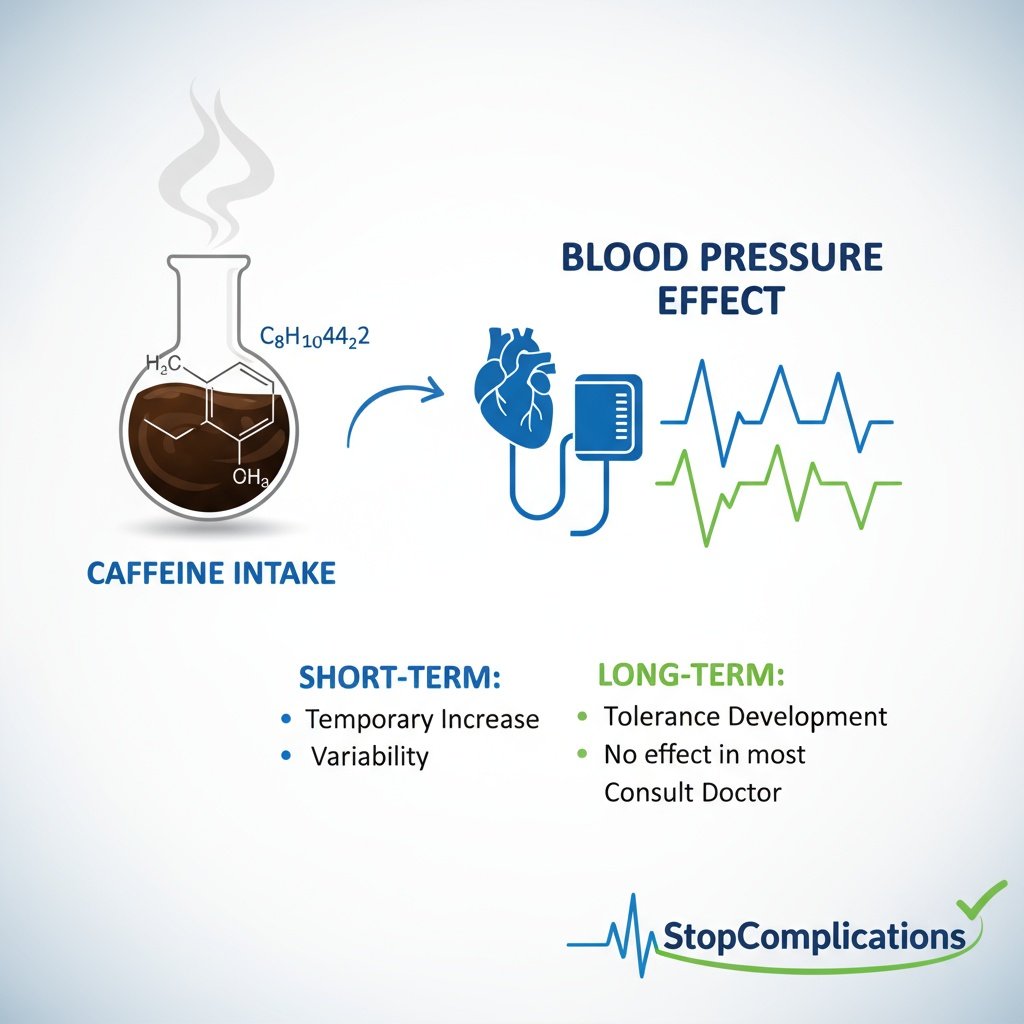
Understanding the relationship between caffeine and blood pressure is vital, particularly for individuals with pre-existing conditions like hypertension, diabetes, or those focused on heart health. For a significant portion of the population, caffeine causes a temporary, but noticeable, increase in blood pressure. This effect, though usually short-lived in healthy individuals, can be more pronounced or concerning for those with high blood pressure. Imagine a small bump in an otherwise smooth road; for someone with a sturdy car, it’s barely noticeable, but for a car with worn tires, it could cause a wobble. Similarly, your heart, already working hard, might feel that temporary increase more acutely. Studies have shown that regular, moderate caffeine consumption might not be a long-term risk for most, but the acute impact is undeniable.
Step-by-Step Guide / Practical Tips
Here’s how you can enjoy caffeine wisely while keeping your blood pressure in check:
Gradually Reduce Intake
If you’re a heavy caffeine user and are concerned about its effects, don’t quit cold turkey!
- ✅ Start by swapping one regular coffee for a decaf.
- ✅ Slowly decrease the serving size of your caffeinated drinks.
- ✅ Try to replace soda with water or sparkling water.
Monitor Your Response
Your body is unique. What affects one person might not affect another the same way.
- ✅ Take your blood pressure before and 30-60 minutes after consuming caffeine.
- ✅ Keep a log of your readings and what you consumed.
- ✅ Look for patterns over several days or weeks.
Choose Your Brew Wisely
Not all caffeinated beverages are created equal.
- ✅ Lighter roasts often have more caffeine than darker roasts.
- ✅ Green tea generally has less caffeine than coffee.
- ✅ Avoid energy drinks, which can contain very high levels of caffeine along with other stimulants.
Mind Your Timing
When you consume caffeine can be as important as how much.
- ✅ Avoid caffeine close to bedtime, as it can disrupt sleep.
- ✅ Consider limiting caffeine in the few hours before any stressful events.
Stay Hydrated
Water is your body’s best friend.
- ✅ Drink plenty of water throughout the day.
- ✅ For every caffeinated drink, have a glass of water.
Expert Insight
💡 Quick Tip: “Regular, moderate caffeine intake (up to 400 mg per day for most healthy adults) is generally not linked to long-term high blood pressure. However, individuals with untreated hypertension might experience a more significant temporary spike.” – The American Heart Association.
⚠️ Reminder: Caffeine can also interact with certain medications. Always discuss your caffeine intake with your healthcare provider, especially if you’re taking blood pressure medication.
Common Mistakes to Avoid
- Ignoring Your Body’s Signals: Mistake: Pushing through jitters or heart palpitations after caffeine. Correction: Pay attention to these signs; they could indicate you’ve had too much or are sensitive to caffeine. Adjust your intake accordingly.
- Sudden, Drastic Elimination: Mistake: Quitting caffeine entirely overnight. Correction: This can lead to withdrawal symptoms like headaches and fatigue. Gradually reduce your intake over a week or two.
- Relying on “Energy” Drinks: Mistake: Thinking all caffeinated beverages are the same. Correction: Energy drinks often contain excessive caffeine and other stimulants that can be particularly harmful to blood pressure and heart health. Stick to natural sources like coffee and tea.
- Not Tracking Blood Pressure: Mistake: Guessing how caffeine affects you. Correction: Regularly monitor your blood pressure at home to see your individual response to caffeine. This data is invaluable for personalized choices.
- Adding Sugary Syrups and Creams: Mistake: Loading up coffee with unhealthy additions. Correction: These can negate any potential health benefits and contribute to other health issues. Opt for black coffee or tea, or use small amounts of healthier alternatives like unsweetened almond milk.
How to Track or Apply It
The best way to understand your personal response to caffeine is by tracking. Keep a simple journal or use a notebook app on your phone. Log the type and amount of caffeine you consume, and then take your blood pressure about 30-60 minutes later. Note any physical sensations you feel. Over time, you’ll start to see patterns. For an even easier way to monitor your progress and log crucial health data, explore the free tools available on StopComplications. Our resources can help you integrate these tips seamlessly into your daily routine.
Conclusion
Navigating the world of caffeine when you’re focusing on heart health doesn’t have to be complicated. By understanding how caffeine and blood pressure interact, paying attention to your body, and making conscious choices, you can continue to enjoy your favorite beverages responsibly. Remember, small, informed steps today can prevent big complications tomorrow.
FAQs
Q: Can I drink coffee if I have high blood pressure?
A: Many people with high blood pressure can consume moderate amounts of caffeine without issues. However, it’s essential to monitor your individual response and discuss it with your doctor.
Q: Does decaf coffee affect blood pressure?
A: Decaf coffee contains very little caffeine, so its effect on blood pressure is minimal to non-existent for most people.
Q: Is there a specific type of tea that’s better for blood pressure?
A: Green tea is often recommended due to its high antioxidant content and generally lower caffeine levels compared to coffee. However, the best choice depends on your personal sensitivity.
Q: How much caffeine is considered “moderate”?
A: Generally, up to 400 milligrams (mg) of caffeine per day (about four 8-ounce cups of brewed coffee) is considered moderate for most healthy adults. However, individual tolerance varies widely.
Ready to take control of your health journey? Visit StopComplications.com to access free tools, ebooks, and a wealth of resources designed to help you prevent chronic diseases and live a healthier life!