Table of Contents
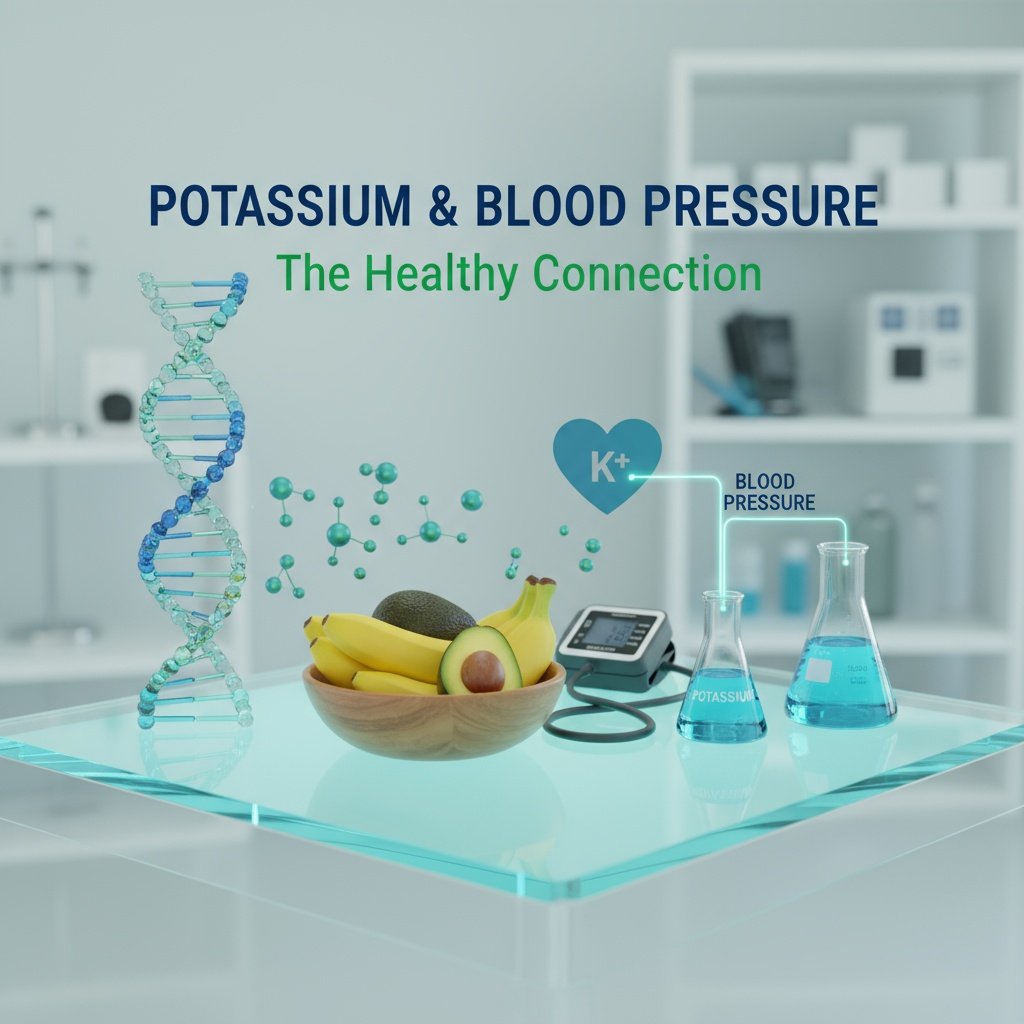
Do you know that seemingly small dietary changes can make a massive difference in your health, especially when it comes to blood pressure? Many individuals navigating chronic conditions like hypertension are constantly seeking natural, effective ways to manage their health. One powerhouse nutrient often overlooked in this journey is potassium. Understanding the vital connection between potassium and blood pressure can empower you to take charge of your cardiovascular well-being. This post will unveil how this essential mineral works to keep your heart healthy and offer actionable insights to incorporate more of it into your daily life.
Ingredients List
To unlock the power of potassium for your blood pressure management, here’s a list of vibrant, potassium-rich foods you can easily incorporate into your diet:
- Leafy Greens: Spinach, Swiss chard, kale – vibrant and versatile, perfect for salads, smoothies, or sautéed as a side.
- Fruits: Bananas (a classic!), oranges, cantaloupe, dried apricots – naturally sweet and packed with potassium.
- Root Vegetables: Sweet potatoes, white potatoes (with skin!), butternut squash – hearty and comforting, excellent roasted or mashed.
- Legumes: Lentils, black beans, kidney beans, chickpeas – protein-packed and fiber-rich, fantastic in soups, stews, or salads.
- Dairy/Alternatives: Yogurt, milk (or fortified plant-based milk), kefir – a delicious way to boost your daily intake.
- Fish: Salmon, cod, tuna – a great source of both potassium and heart-healthy omega-3s.
Potential Substitutions: If you’re not a fan of one item, swap it for another from the same category! For example, if kale isn’t your thing, try spinach. Not a fan of bananas? Oranges and cantaloupe are excellent alternatives. The key is varhttps://stopcomplications.com/weight-loss-and-blood-pressure/iety and consistency.
Why It Matters
High blood pressure, or hypertension, silently affects millions worldwide. It’s a major risk factor for heart disease, stroke, and kidney disease, especially for those already managing conditions like diabetes. For individuals with chronic conditions, maintaining healthy blood pressure is not just a goal, but a critical component of preventing serious complications. Studies show that a diet rich in potassium can significantly help counteract the effects of sodium, which is often prevalent in processed foods and can raise blood pressure. In fact, increasing your potassium intake can be as impactful as reducing sodium for some individuals. It’s not about quick fixes; it’s about building sustainable habits that support your long-term health.
Step-by-Step Guide / Practical Tips
Ready to boost your potassium intake and support healthy blood pressure? Here are some simple, actionable steps:
Make Fruits and Veggies Your Stars
Prioritize colorful fruits and vegetables in every meal. They are naturally packed with potassium and fiber.
- ✅ Add a handful of spinach to your morning smoothie.
- ✅ Snack on a banana or an orange.
- ✅ Fill half your plate with non-starchy vegetables at lunch and dinner.
Embrace Legumes and Whole Grains
These foods offer a double punch: potassium and beneficial fiber.
- ✅ Swap white rice for brown rice or quinoa.
- ✅ Incorporate lentils into your soups or stews.
- ✅ Try a black bean burger instead of a traditional one.
Go for Potent Potatoes (with their skin!)
Don’t shy away from potatoes; just prepare them healthily.
- ✅ Bake or roast potatoes instead of frying.
- ✅ Eat the skin, as that’s where a good portion of the potassium resides.
- ✅ Try sweet potatoes for a slightly different flavor profile.
Hydrate with Healthy Drinks
Potassium can also be found in certain beverages.
- ✅ Choose milk or fortified plant-based milk over sugary drinks.
- ✅ Consider natural fruit juices (in moderation, due to sugar content) or vegetable juices.
Expert Insight
💡 Quick Tip: The average adult needs around 4,700 mg of potassium daily. Most people fall short. Focusing on whole, unprocessed foods is the easiest way to bridge this gap naturally.
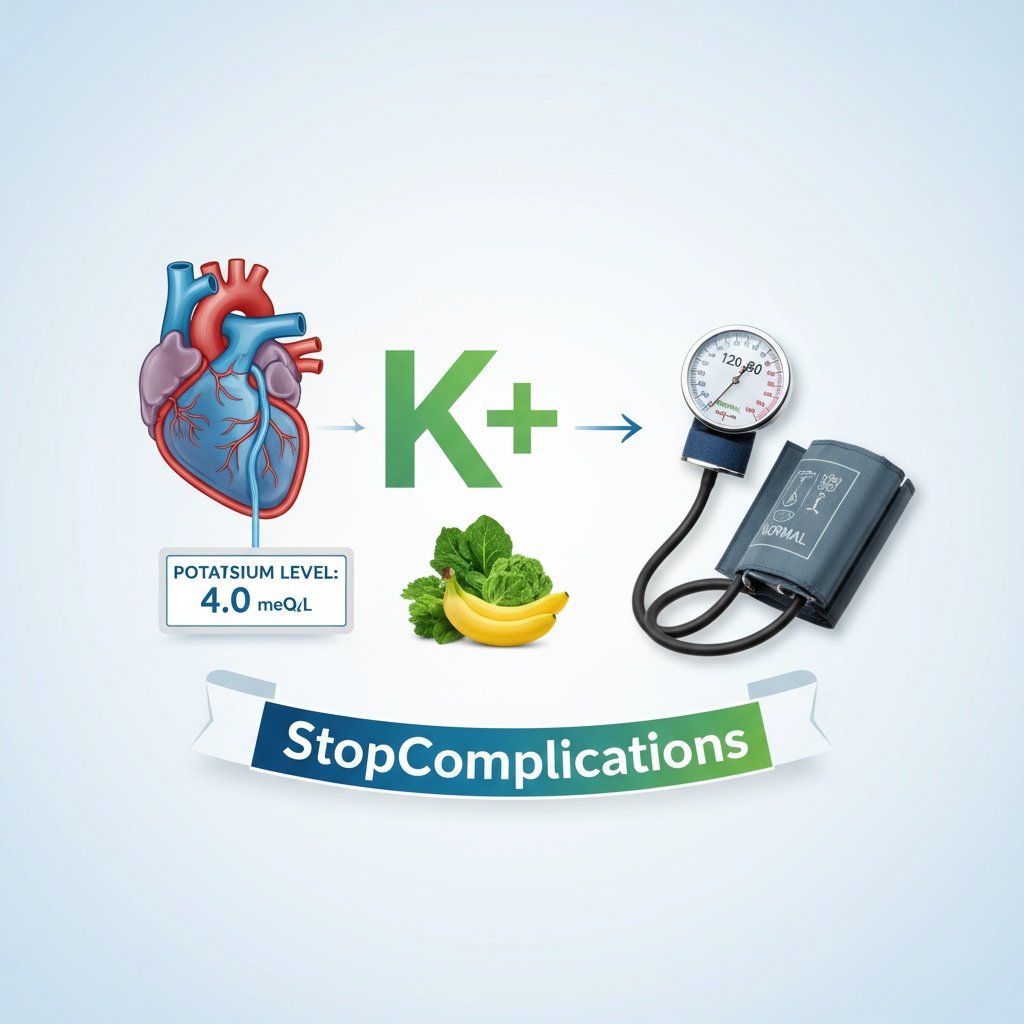
Our bodies naturally work to maintain a delicate balance of sodium and potassium. Sodium can cause your body to retain water, increasing blood volume and subsequently blood pressure. Potassium, on the other hand, helps your body excrete excess sodium and relaxes the walls of your blood vessels, both actions contributing to lower blood pressure. This synergistic relationship highlights why dietary balance is so crucial for cardiovascular health.
Common Mistakes to Avoid
- Relying solely on supplements: While supplements exist, getting potassium from whole foods is always preferable as it comes with other beneficial nutrients.
- Correction: Focus on a diet rich in fruits, vegetables, and legumes first. Consult your doctor before taking any supplements, especially if you have kidney issues.
- Overcooking vegetables: Boiling vegetables for too long can leach out water-soluble vitamins and minerals, including potassium.
- Correction: Opt for steaming, roasting, or lightly sautéing vegetables to retain their nutrient content.
- Ignoring sodium intake: While increasing potassium is important, it works best in conjunction with reducing excessive sodium intake.
- Correction: Read food labels, choose low-sodium options, and limit processed foods.
- Expecting instant results: Dietary changes take time to show effects. Consistency is key.
- Correction: Be patient and consistent with your healthy eating habits. Your body will thank you in the long run.
How to Track or Apply It
Applying these tips into your daily routine is simpler than you think. Start by making one small change each week. Perhaps swap your usual snack for a banana, or add an extra serving of vegetables to your dinner. You can effectively log your food intake using numerous health tracking apps available, or simply keep a food journal. Many of these tools allow you to see your macronutrient and micronutrient intake, including potassium, which can be incredibly motivating. Remember, understanding your dietary patterns is the first step towards improvement. To make it even easier, utilize some of StopComplications free tools, which offer simple ways to track your progress and identify areas for improvement.
Conclusion
The journey to better health often comes down to understanding the quiet power of essential nutrients, and potassium is undoubtedly one of them when it comes to blood pressure control. By mindfully incorporating more potassium-rich foods into your diet, you’re not just eating healthier; you’re actively contributing to a lower risk of hypertension and its related complications. Remember, small steps today can prevent big complications tomorrow. Empower yourself with knowledge and make choices that celebrate your health every day.
Ready to take the next step on your health journey? Visit StopComplications.com today to download our free e-books and tools designed to help you manage chronic conditions and live your healthiest life!
FAQs
Q: Can too much potassium be dangerous?
A: For most healthy individuals with normal kidney function, consuming potassium from food sources is safe. However, in people with kidney disease, high potassium levels (hyperkalemia) can be dangerous. Always consult your doctor if you have kidney issues or concerns about your potassium intake.
Q: Are bananas the best source of potassium?
A: While bananas are well-known for their potassium content, many other foods, such as sweet potatoes, spinach, avocados, and white beans, contain even more potassium per serving. Variety is key for a well-rounded nutrient intake.
Q: How quickly will I see results from increasing potassium?
A: Dietary changes for blood pressure management often show gradual improvements over weeks to months, not days. Consistency and combining potassium intake with a low-sodium diet and other healthy lifestyle choices (like exercise) offer the best long-term results.
Q: Does cooking reduce the potassium content in food?
A: Some potassium can leach into cooking water, especially with boiling. To minimize loss, opt for steaming, roasting, grilling, or sautéing, and try to use cooking liquids in soups or sauces when possible.