Table of Contents
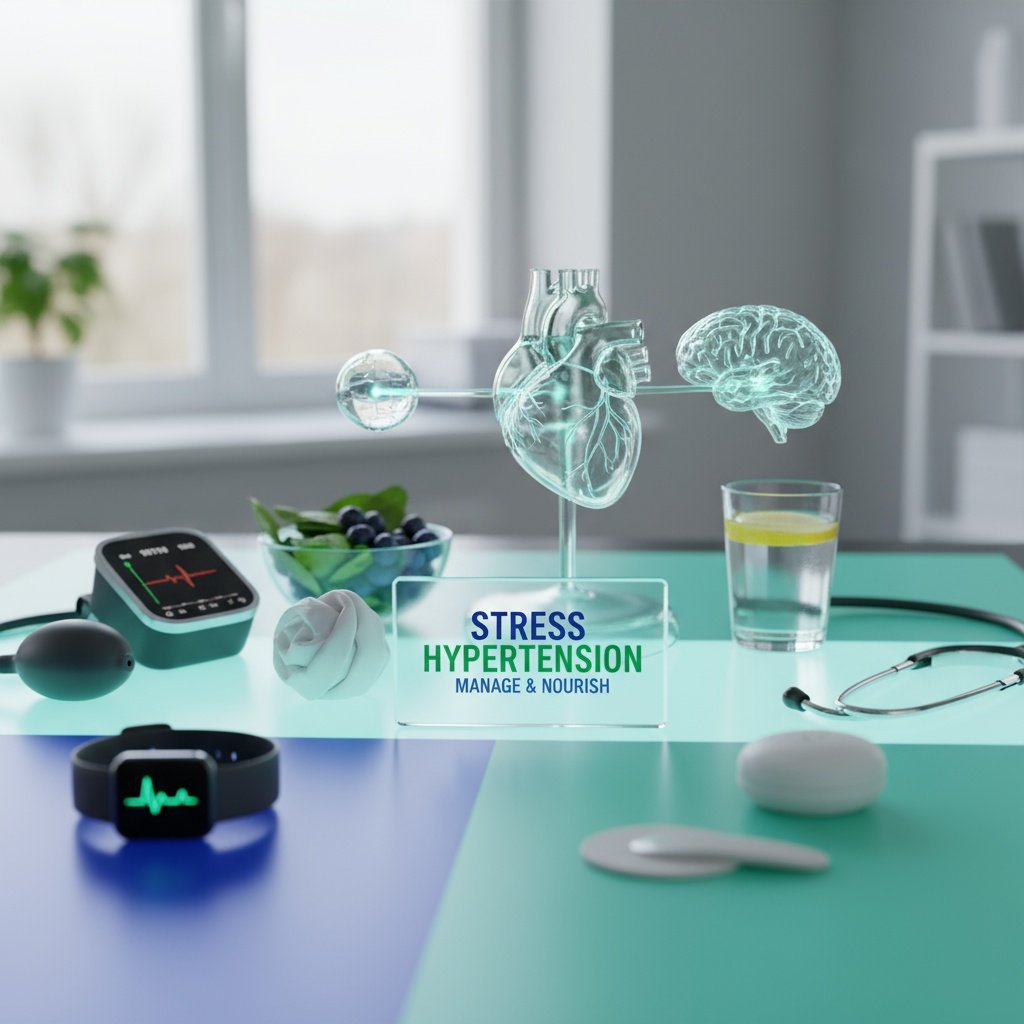
Ingredients List
To combat the effects of stress and hypertension and promote a healthier heart, consider incorporating these “ingredients” into your daily life. Think of them as building blocks for resilience:
- Mindful Moments: Just 5-10 minutes daily of quiet reflection, deep breathing, or meditation.
- Substitution: A short walk in nature, gentle stretching, or listening to calming music.
- Quality Sleep: Aim for 7-9 hours of restorative sleep each night.
- Substitution: Power naps (20-30 minutes) if a full night’s sleep isn’t always possible, or implementing a consistent bedtime routine.
- Balanced Nutrition: A diet rich in fruits, vegetables, lean proteins, and whole grains.
- Substitution: Healthy snacks like nuts or yogurt instead of processed foods; focusing on home-cooked meals.
- Regular Movement: At least 30 minutes of moderate-intensity exercise most days of the week.
- Substitution: Taking the stairs, parking further away, or short bursts of activity throughout the day.
- Strong Social Connections: Spending time with loved ones, engaging in community activities.
- Substitution: Virtual catch-ups, reaching out to friends or family via phone or text.
- Hobby/Passion Time: Dedicating time to activities you enjoy.
- Substitution: Exploring new interests, allowing yourself creative outlets.
Introduction
Did you know that prolonged stress can silently raise your blood pressure, significantly impacting your heart health? It’s a question many ask, especially those already navigating chronic conditions like diabetes or hypertension. We all face daily stressors, but understanding the link between stress and hypertension and learning effective coping strategies is crucial. This post will give you actionable solutions to manage mental pressure and protect your heart.
Why It Matters
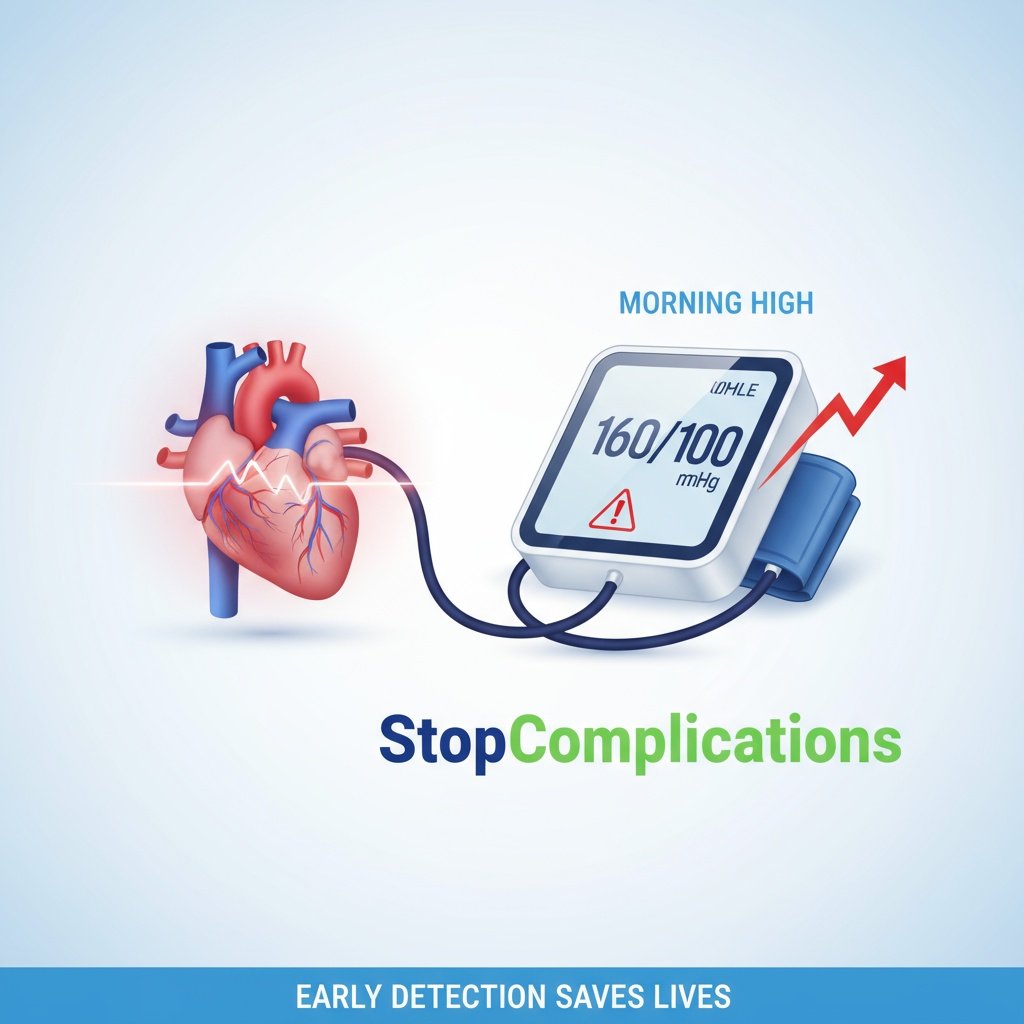
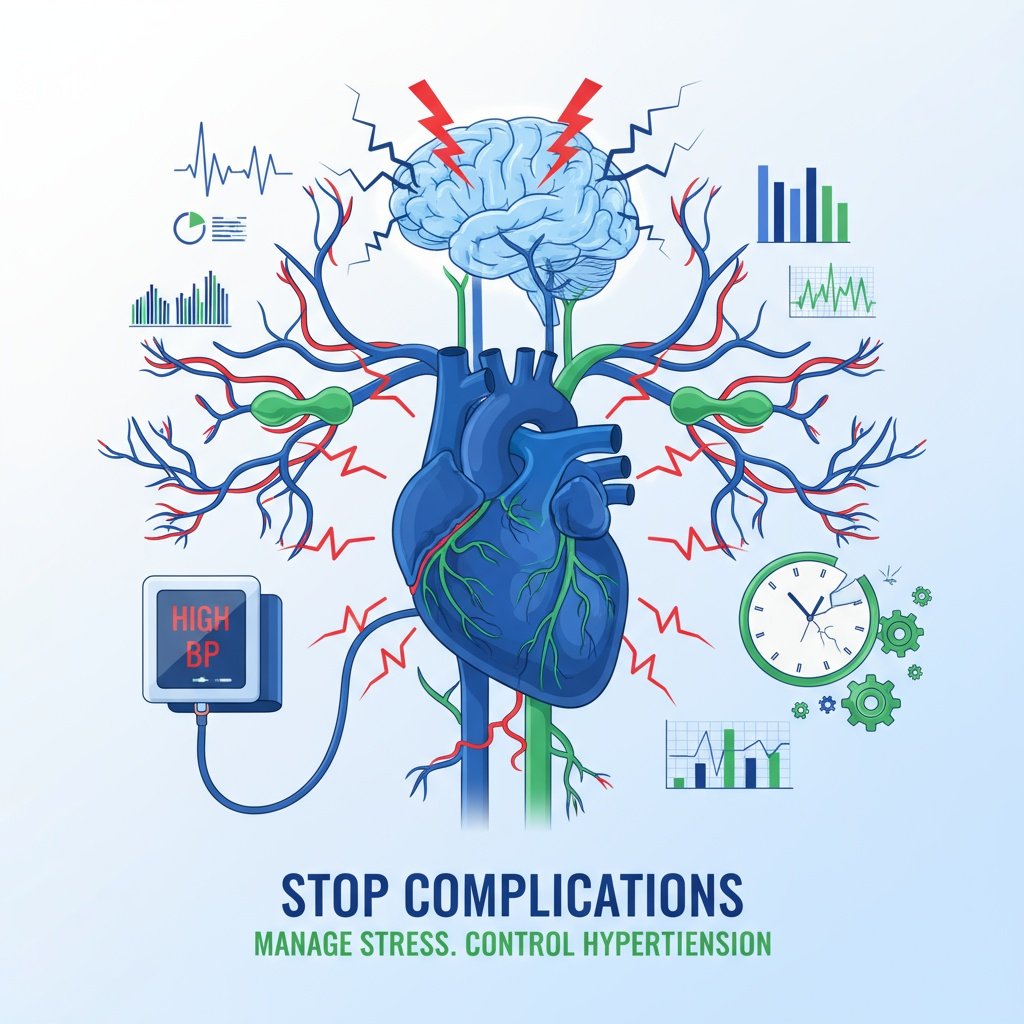
The connection between our minds and bodies is powerful, especially when it comes to stress and heart health. When you’re stressed, your body reacts by releasing hormones like adrenaline and cortisol. These hormones temporarily increase your heart rate and narrow your blood vessels, leading to a spike in blood pressure. While this is a natural “fight or flight” response, consistent, long-term stress means these effects become chronic.
For individuals with existing chronic conditions such as diabetes, this link is even more critical. High blood pressure can accelerate damage to blood vessels, making them stiffer and less efficient, thereby increasing the risk of heart attack, stroke, and kidney disease. Studies have shown that chronic psychological stress can increase the risk of hypertension by up to 20% in some populations. Managing stress isn’t just about feeling better; it’s a vital component of protecting your long-term cardiovascular health.
Step-by-Step Guide / Practical Tips
Taking control of your stress levels can be easier than you think with these practical steps.
Step 1: Practice Mindful Breathing
Deep breathing exercises can calm your nervous system almost instantly.
✅ Find a quiet space.
✅ Breathe in slowly through your nose for 4 counts.
✅ Hold your breath for 4 counts.
✅ Exhale slowly through your mouth for 6 counts.
✅ Repeat 5-10 times.
Step 2: Incorporate Regular Physical Activity
Exercise is a powerful stress reliever and helps lower blood pressure.
✅ Aim for 30 minutes of moderate activity daily (e.g., brisk walking, cycling).
✅ Break it into smaller chunks if needed (e.g., three 10-minute walks).
✅ Choose activities you enjoy to make it sustainable.
Step 3: Prioritize Sleep
Lack of sleep can worsen stress and impact blood pressure control.
✅ Stick to a consistent sleep schedule, even on weekends.
✅ Create a relaxing bedtime routine (e.g., warm bath, reading).
✅ Ensure your bedroom is dark, quiet, and cool.
Step 4: Nurture Social Connections
Connecting with others can provide emotional support and reduce feelings of isolation.
✅ Spend time with supportive friends and family.
✅ Join a club or volunteer group with shared interests.
✅ Don’t be afraid to reach out for help when you need it.
Step 5: Embrace Healthy Eating Habits
What you eat can affect your body’s ability to cope with stress.
✅ Reduce intake of processed foods, excessive salt, and sugar.
✅ Increase consumption of fruits, vegetables, whole grains, and lean proteins.
✅ Stay hydrated by drinking plenty of water throughout the day.
💡 Quick Tip: Consider keeping a “stress journal” to identify your triggers. Understanding what causes your stress is the first step to managing it effectively.
Expert Insight
“Chronic psychological stress activates a complex system of hormones and nerves that, over time, can lead to persistent elevations in blood pressure,” explains Dr. Sarah Jenkins, a leading cardiologist. “While acute stress causes temporary spikes, prolonged stress contributes to systemic inflammation and arterial stiffness, accelerating the development of hypertension.”
Furthermore, research indicates that individuals who actively engage in stress-reduction techniques, such as mindfulness or yoga, often exhibit a measurable reduction in both systolic and diastolic blood pressure readings compared to those who don’t. This highlights the scientific basis for incorporating mind-body practices into a comprehensive heart health plan.
Common Mistakes to Avoid
There are several pitfalls to steer clear of when trying to manage stress and its impact on blood pressure.
- Ignoring Symptoms:
- Mistake: Brushing off persistent fatigue, irritability, or difficulty sleeping as “just stress” without addressing them.
- Correction: Recognize these as warning signs. Pay attention to your body and mind, and acknowledge when stress is becoming overwhelming.
- Unhealthy Coping Mechanisms:
- Mistake: Turning to smoking, excessive alcohol, overeating comfort foods, or excessive caffeine to cope.
- Correction: Replace these with healthy alternatives like meditation, exercise, talking to a friend, or engaging in a hobby.
- Attempting to Control Everything:
- Mistake: Feeling responsible for outcomes outside your control, leading to constant worry.
- Correction: Learn to distinguish between what you can and cannot control. Focus your energy on actionable items and practice letting go of the rest.
- Isolating Yourself:
- Mistake: Withdrawing from social interactions when feeling stressed, trying to manage everything alone.
- Correction: Reach out to your support network. Sharing worries can lighten the load and provide new perspectives.
How to Track or Apply It
Applying these tips effectively means making them a regular part of your life. Start by choosing one or two strategies that feel most achievable for you. For instance, you could begin by setting a daily reminder for a 10-minute mindful breathing session each morning. Gradually, you can add more techniques.
To keep track of your progress, consider using a simple notebook or a digital journal to log your daily stress levels (on a scale of 1-10) and the stress-reducing activities you completed. You can also monitor your blood pressure regularly if advised by your doctor, noting any improvements over time. Remember, consistency is key! For helpful tools and resources to track your blood pressure, food intake, or activity levels, check out the StopComplications free tools.
Conclusion
Managing stress is not just about feeling calmer; it’s a critical component of preventing and managing high blood pressure and safeguarding your heart health. By incorporating mindful practices, healthy lifestyle choices, and strong social connections, you empower yourself to navigate life’s challenges with greater resilience. Small steps today can prevent big complications tomorrow.
Ready to take control of your health journey?
FAQs
Q: Can stress cause high blood pressure?
A: While stress alone doesn’t typically cause chronic high blood pressure, it can lead to temporary spikes. Over time, chronic stress can contribute to the development of sustained hypertension.
Q: What’s the fastest way to lower blood pressure during a stressful moment?
A: Deep breathing exercises, especially diaphragmatic breathing, can quickly help calm your nervous system and lower your blood pressure in the short term.
Q: Are there foods that help with stress reduction?
A: Yes! Foods rich in omega-3 fatty acids (fish), magnesium (leafy greens, nuts), B vitamins (whole grains), and antioxidants (berries) can support your body’s stress response.
Q: When should I seek professional help for stress?
A: If stress is interfering with your daily life, sleep, relationships, or if you’re experiencing symptoms of anxiety or depression, it’s wise to talk to your doctor or a mental health professional.