Table of Contents
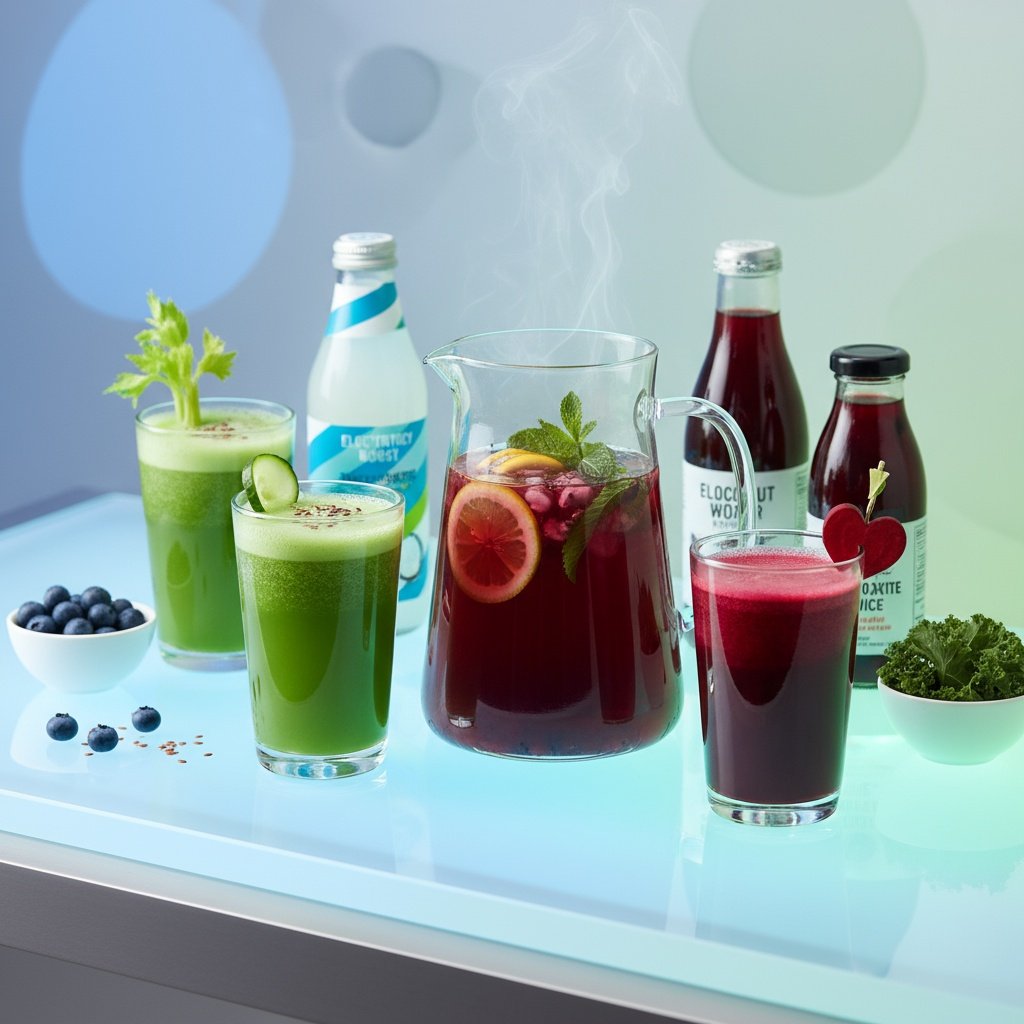
Ingredients List
Navigating the world of beverages when you’re managing blood pressure can feel like a maze. Fear not! We’ve brewed up a list of common drinks and their impact, along with delicious alternatives.
- For Lowering Blood Pressure:
- Hibiscus Tea: Dried hibiscus flowers (can be found loose leaf or in tea bags). Substitution: Chamomile tea for a calming effect.
- Beetroot Juice: Fresh beetroots. Substitution: Pomegranate juice (diluted) for a similar antioxidant kick.
- Skim Milk/Plant-Based Milks (Unsweetened): Skim cow’s milk, almond milk, soy milk, oat milk. Substitution: Water infused with cucumber and mint for hydration.
- Water: Plain filtered water. Substitution: Sparkling water with a squeeze of lemon or lime.
- For Raising/Negatively Affecting Blood Pressure:
- Caffeinated Coffee/Energy Drinks: Coffee beans, energy drink ingredients (caffeine, taurine, sugar). Substitution: Decaffeinated coffee, herbal tea.
- Sugary Sodas/Sweetened Juices: High-fructose corn syrup, artificial flavors, natural fruit juice concentrates. Substitution: Unsweetened iced tea, diluted fruit juice.
- Alcoholic Beverages: Beer, wine, spirits. Substitution: Non-alcoholic sparkling cider, mocktails.
- Canned Soups/Broths (High Sodium): Processed broths, condensed soups. Substitution: Low-sodium homemade broths, vegetable stock.
Introduction
Did you know that what you sip throughout the day could be significantly impacting your blood pressure? For millions of people grappling with chronic conditions like hypertension, every choice matters. It can be overwhelming to understand which drinks for blood pressure are helpful and which ones might be doing more harm than good. But don’t worry, we’re here to offer clear, actionable advice to help you make informed choices that safeguard your heart health.
Why It Matters
High blood pressure, often called the “silent killer,” affects nearly half of all adults in the United States. Uncontrolled blood pressure dramatically increases your risk of serious complications like heart attack, stroke, and kidney disease. For those with diabetes, hypertension further doubles the risk of cardiovascular events. Making smart beverage choices isn’t just about feeling better; it’s a vital step in preventing these severe complications and maintaining your long-term health. Small dietary changes, including what you drink, have been shown to make a significant difference in blood pressure management.
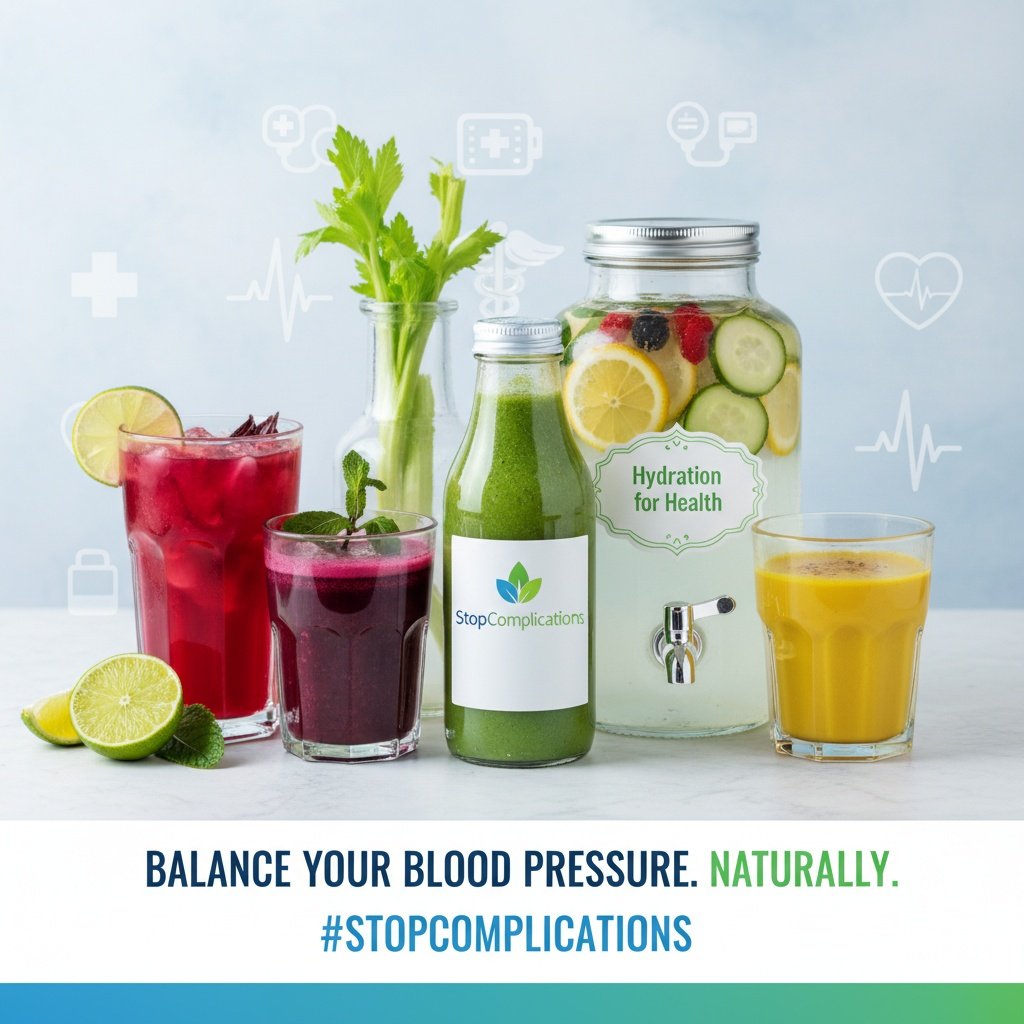
Step-by-Step Guide / Practical Tips
Here’s how you can make your daily sips work for your blood pressure, not against it:
1. Hydrate with H2O
Water is your best friend. It helps your body maintain a healthy fluid balance, which indirectly supports optimal blood pressure. Aim for at least 8 glasses a day.
- ✅ Carry a water bottle to remind you to drink.
- ✅ Infuse water with fruit (lemon, cucumber, berries) for flavor without added sugar.
- ✅ Drink a glass before every meal.
2. Embrace Herbal Teas
Certain herbal teas pack a punch when it comes to blood pressure. Hibiscus tea, for example, has been shown in some studies to significantly lower blood pressure.
- ✅ Opt for unsweetened varieties.
- ✅ Enjoy hot or iced.
- ✅ Explore other calming teas like chamomile or ginger.
3. Consider Beetroot Juice
This vibrant juice is a natural source of nitrates, which your body converts to nitric oxide. Nitric oxide helps relax and widen blood vessels, leading to lower blood pressure.
- ✅ Drink a small glass (around 4-8 ounces) daily.
- ✅ Mix with other juices (like apple or carrot) to adjust the taste.
- ✅ Source fresh, organic beets for best results.
4. Limit Sugary and Caffeinated Drinks
Sodas, sweetened fruit juices, and energy drinks are often loaded with sugar, which can contribute to weight gain and negatively impact blood pressure. High caffeine intake can also temporarily spike blood pressure.
- ✅ Choose “diet” or “zero” sugar options only if you must, but water is always better.
- ✅ Gradually reduce your coffee intake, or switch to decaf.
- ✅ Read labels carefully for hidden sugars and sodium.
5. Be Mindful of Alcohol
While moderate alcohol consumption might have some perceived benefits, heavy drinking can significantly raise blood pressure. It’s best to limit intake or avoid it altogether if you have hypertension.
- ✅ Stick to recommended limits: up to one drink per day for women, two for men.
- ✅ Opt for non-alcoholic alternatives during social gatherings.
- ✅ Consult your doctor about alcohol if you’re on blood pressure medication.
💡 Quick Tip: Pay attention to how different drinks make you feel. Your body often gives clues about what works best for it!
Expert Insight
“The DASH (Dietary Approaches to Stop Hypertension) eating plan consistently emphasizes low-sodium, high-potassium, and magnesium-rich foods and beverages for blood pressure control,” notes Dr. Sarah Peterson, a registered dietitian specializing in cardiovascular health. “Even seemingly harmless drinks like sports drinks can be loaded with sodium and sugar, counteracting your efforts.” Another insight from Dr. David Chen, a cardiologist, states, “Regular consumption of water and strategic inclusion of specific beverages can be as impactful as dietary changes for managing hypertension. It’s a foundational element of cardiac wellness.”
Common Mistakes to Avoid
- Mistake: Believing “natural” fruit juice is always healthy.
Correction: While natural, most fruit juices are high in sugar, especially if not consumed with the fiber of the whole fruit. Opt for whole fruits or dilute juices heavily with water. - Mistake: Replacing water with sparkling water or seltzer exclusively.
Correction: While better than soda, plain water is still the gold standard for hydration. Enjoy sparkling water occasionally, but ensure adequate plain water intake. - Mistake: Ignoring sodium in beverages.
Correction: Some seemingly healthy drinks like vegetable juices (especially canned ones) can be very high in sodium. Always check the nutrition label for sodium content. - Mistake: Over-relying on “sugar-free” or “diet” drinks.
Correction: Artificial sweeteners in these drinks may have their own health implications and don’t necessarily promote healthy habits. Water remains the best choice.
How to Track or Apply It
Making these changes stick requires a little planning and tracking. Start by choosing one or two tips from above to focus on each week. You can use a simple notebook to log your daily fluid intake, noting which drinks for blood pressure you consumed and how much.
Consider using StopComplications free tools, which offer easy-to-use trackers for blood pressure, diet, and hydration. This can help you see patterns and stay motivated! Setting small, achievable goals, like “drink one less soda today” or “have a glass of hibiscus tea,” can lead to significant long-term success.
Conclusion
The choices you make about what you drink play a powerful role in managing your blood pressure and preventing chronic disease complications. By consciously opting for water, herbal teas, and certain juices while limiting sugary, caffeinated, and high-sodium options, you’re taking proactive steps toward a healthier heart. Small steps today can prevent big complications tomorrow.
To deepen your understanding and access more resources, visit StopComplications.com.
FAQs
Q: Can decaffeinated coffee still affect blood pressure?AA: Decaffeinated coffee has significantly less caffeine, so its impact on blood pressure is usually minimal compared to regular coffee. However, individual sensitivities vary.
Q: Is it safe to drink beet juice every day?AA: For most healthy adults, daily consumption of beetroot juice in moderation (e.g., 4-8 ounces) is safe. If you have kidney stones or other medical conditions, consult your doctor.
Q: Are diet sodas better for blood pressure than regular sodas?AA: While diet sodas don’t contain sugar that directly impacts blood sugar or calorie intake, studies on artificial sweeteners and their long-term health effects are ongoing. Water is always the best choice over any soda.
Q: How quickly can these drink changes impact my blood pressure?
A: The impact can vary. Some changes, like reducing high-sodium drinks, might show small results within days, while others, like consistent healthy hydration, contribute to long-term management over weeks or months. Consistency is key!