Table of Contents
How to Measure Blood Pressure at Home: Your Guide to Accurate Readings
Are you curious about how to check blood pressure at home and why it’s so important for your overall health? In today’s fast-paced world, managing chronic conditions like diabetes, hypertension, and heart disease often feels overwhelming. But what if a simple, regular habit could empower you to take control? This comprehensive guide will walk you through exactly how to check blood pressure effectively, putting actionable solutions right at your fingertips. Understanding your numbers is the first crucial step towards preventing serious complications.
Ingredients List
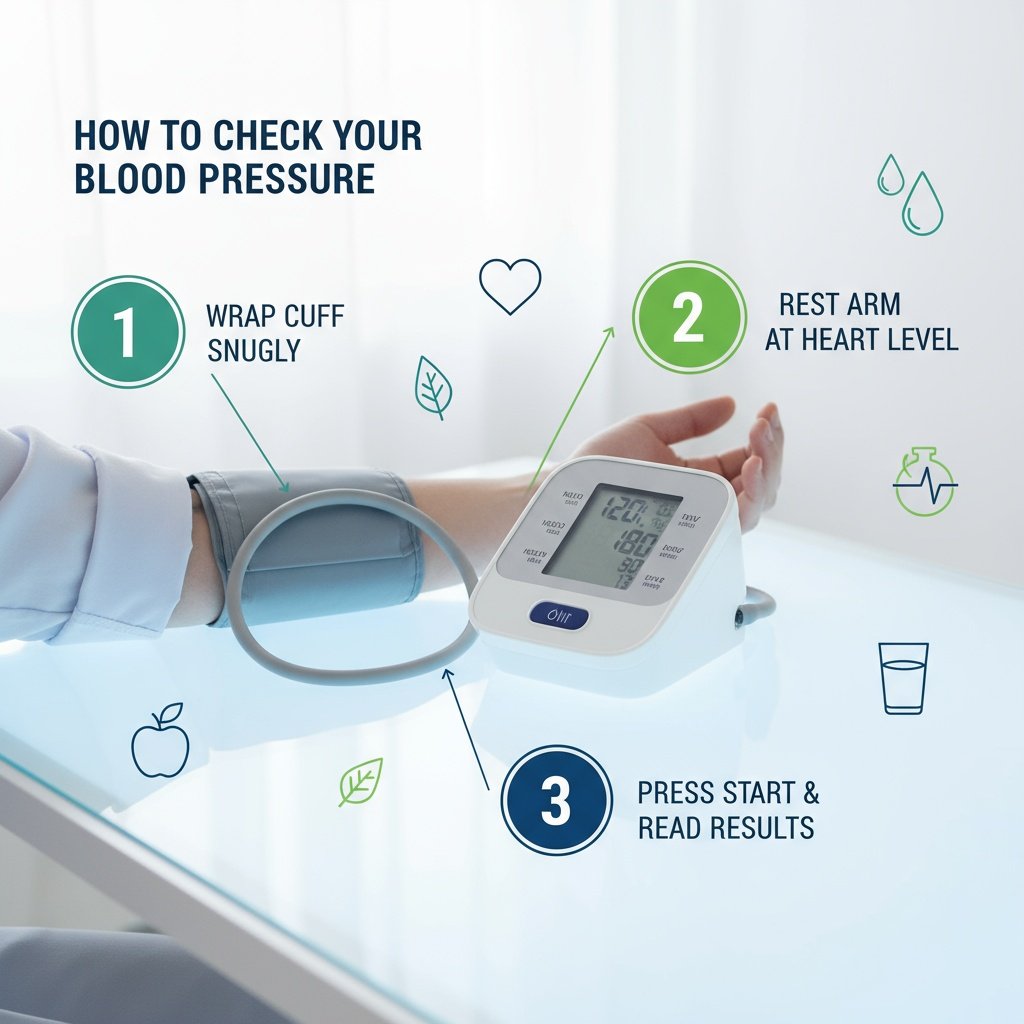
Before you begin, gather these essential items for an accurate reading:
- Reliable Home Blood Pressure Monitor:
- Automatic Upper Arm Monitor: This is the most recommended type for its accuracy and ease of use. Look for one that’s clinically validated and has a cuff that fits your arm comfortably.
- Substitution: While wrist or finger monitors exist, they are generally less accurate. If you must use one, ensure it’s calibrated and follow instructions precisely.
- A Comfortable Chair: One that supports your back and allows your feet to be flat on the floor.
- A Table or Flat Surface: To support your arm at heart level.
- Quiet Environment: Free from distractions.
- Pen and Paper / Digital Tracker: To record your readings.
- Substitution: Your smartphone and a dedicated health app can also serve this purpose.
Why It Matters
High blood pressure (hypertension) is often called a “silent killer” because it rarely has noticeable symptoms. Yet, it dramatically increases your risk of serious health problems like heart attack, stroke, kidney disease, and vision loss – especially for those already managing diabetes.
Consider this: Studies show that individuals who regularly monitor their blood pressure at home tend to have better blood pressure control compared to those who only get readings at a doctor’s office. Why? Because home readings provide a truer picture of your average blood pressure, free from the “white coat syndrome” many experience in clinical settings. Knowing your numbers helps you and your doctor make informed decisions about your treatment and lifestyle adjustments.
Step-by-Step Guide / Practical Tips
Ready to learn how to check blood pressure like a pro? Follow these simple steps for accurate readings every time.
Prepare for Your Measurement
- Rest Up: Before taking your blood pressure, sit quietly for at least 5 minutes. Avoid exercising, drinking caffeine, or smoking for 30 minutes prior.
- Empty Bladder: A full bladder can influence your reading. Make sure to use the restroom beforehand.
- Proper Positioning:
- ✅ Sit in a chair with your back supported.
- ✅ Keep your feet flat on the floor, uncrossed.
- ✅ Rest your arm (usually the left arm, unless advised otherwise by your doctor) on a table so the cuff is at heart level.
Apply the Cuff Correctly
- Bare Arm: Roll up your sleeve or remove any tight clothing from your upper arm.
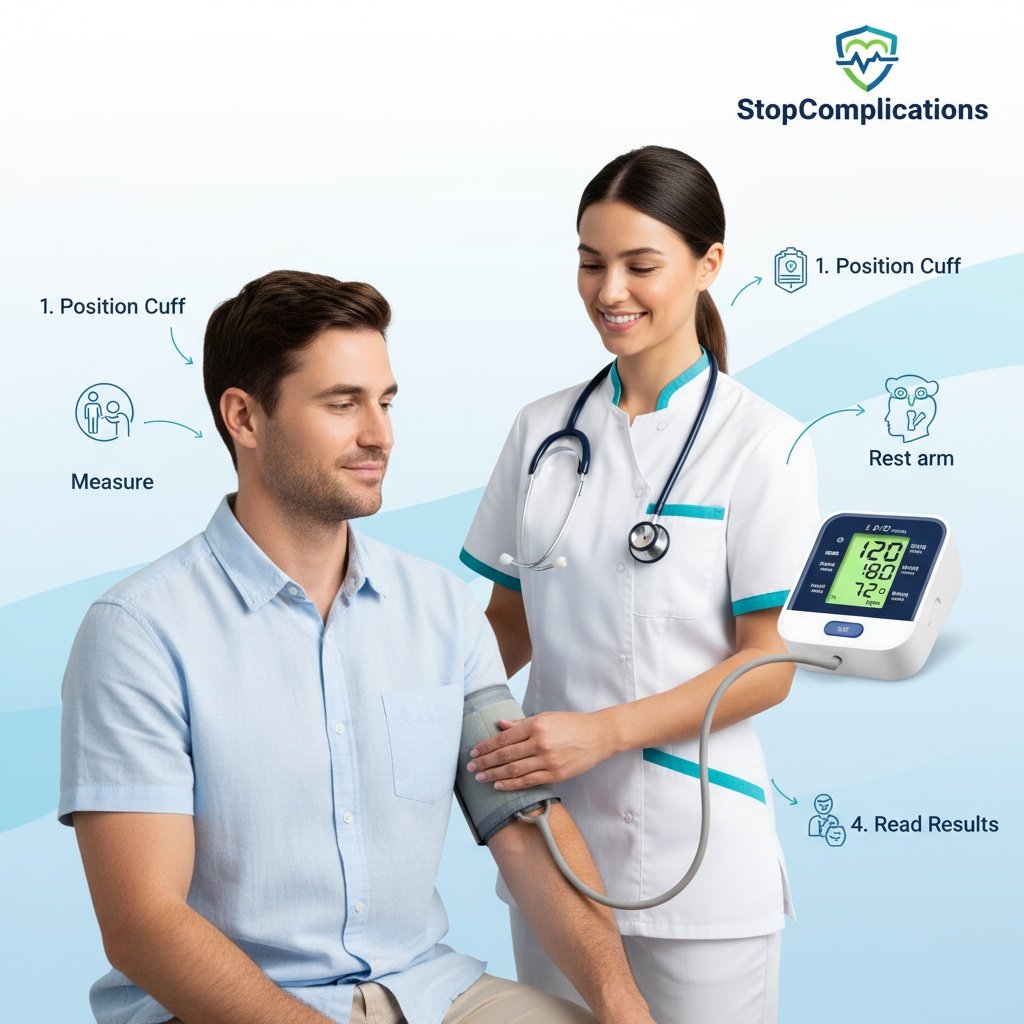
- Positioning: Place the cuff directly on your bare skin, about one inch above the bend of your elbow. The air tube should run down the center of your arm.
- Snug, Not Tight: The cuff should fit snugly. You should be able to slide one or two fingertips underneath it.
Take the Reading
- Stay Still and Silent: Once the cuff is in place, remain still and avoid talking during the measurement.
- Press Start: Activate your blood pressure monitor according to its instructions. The cuff will inflate, then slowly deflate.
- 💡 Quick Tip: Take two or three readings, one minute apart, and record the average. This provides a more reliable picture.
Record Your Results
- Log Your Numbers: Immediately write down the date, time, your systolic (top number), and diastolic (bottom number) readings.
- Note Any Factors: Jot down anything unusual that might affect the reading (e.g., “felt stressed,” “just exercised”).
Expert Insight
Did you know that blood pressure can fluctuate throughout the day? It’s completely normal! Regular readings taken at the same time each day (e.g., morning and evening) provide the most valuable data. This consistency helps your healthcare provider understand your typical patterns. Furthermore, research indicates that readings taken at home often better predict future cardiovascular events than clinic readings alone.
Common Mistakes to Avoid
Even with the best intentions, small errors can lead to inaccurate blood pressure readings. Here are some common mistakes and how to correct them:
- Crossed Legs: This can artificially raise your reading by 2-8 mmHg.
- Correction: Always keep your feet flat on the floor and uncrossed.
- Talking During Measurement: Speaking can increase your reading by 10-15 mmHg.
- Correction: Remain silent and still while the monitor is working.
- Cuff Size Mismatch: A cuff that’s too small or too large will give an incorrect reading.
- Correction: Ensure your cuff fits properly. Check your monitor’s instructions for how to measure your arm circumference and choose the right cuff size.
- Not Resting First: Rushing into a reading after physical activity or stress.
- Correction: Always sit quietly for 5 minutes before taking a reading.
- Incorrect Arm Position: Arm not supported or below heart level.
- Correction: Always support your arm so the cuff is at heart level.
How to Track or Apply It
Consistent tracking is key! Once you’ve mastered how to check blood pressure, make it a regular habit. Aim to take your readings at least twice a day, in the morning and evening, for several days in a row, especially when you first start monitoring or when making changes to your medication or lifestyle.
- Manual Log: Keep a dedicated notebook for your readings.
- Digital Apps: Many blood pressure monitors connect to smartphone apps that automatically log and graph your data.
- StopComplications Free Tools: Don’t forget to explore the free trackers and log sheets available from StopComplications. These resources are designed to help you organize your health data effortlessly, making it easy to share with your doctor.
Conclusion
Learning how to check blood pressure at home is a powerful step towards managing your health and preventing chronic disease complications. By following these simple steps and avoiding common mistakes, you gain valuable insights into your body’s signals. Remember, small steps today can prevent big complications tomorrow.
Are you ready to take control of your health journey?
Don’t miss out on empowering yourself with the right tools! Visit StopComplications.com today to download your free blood pressure tracker, educational e-books, and other valuable resources designed to help you manage diabetes, hypertension, and improve your heart health. Your journey to a healthier future starts here!
FAQs
Q: How often should I check my blood pressure at home?AA: If you have high blood pressure or other chronic conditions, your doctor might recommend daily readings, often in the morning and evening. For general monitoring, once a week or as advised by your healthcare provider is usually sufficient.
Q: What is a normal blood pressure reading?AA: Generally, a normal blood pressure reading is below 120/80 mmHg. However, what’s “normal” for you can vary slightly based on your age and health conditions. Always discuss your target numbers with your doctor.
Q: Should I take my blood pressure on both arms?AA: Initially, it’s a good idea to take readings on both arms to identify if there’s a significant difference. If one arm consistently shows higher readings, use that arm for future measurements and inform your doctor.
Q: When should I be concerned about my readings?AA: If you get a reading of 180/120 mmHg or higher, or if you experience symptoms like chest pain, severe headache, shortness of breath, or numbness/weakness, seek immediate medical attention. For consistently high readings below this crisis level, contact your doctor as soon as possible.