Table of Contents
Morning Hypertension: Causes & Fixes

Do you often notice your blood pressure being higher when you wake up? You’re not alone. Many individuals experience a phenomenon known as morning high blood pressure, a common issue that can significantly impact long-term health, especially for those managing chronic conditions like diabetes or pre-existing heart health concerns. Uncovering the roots of this early-morning surge in blood pressure and understanding how to manage it can be a game-changer for your well-being. This post will walk you through the “why” and, more importantly, the “how” to gain control over your morning readings and protect your heart.
Why It Matters
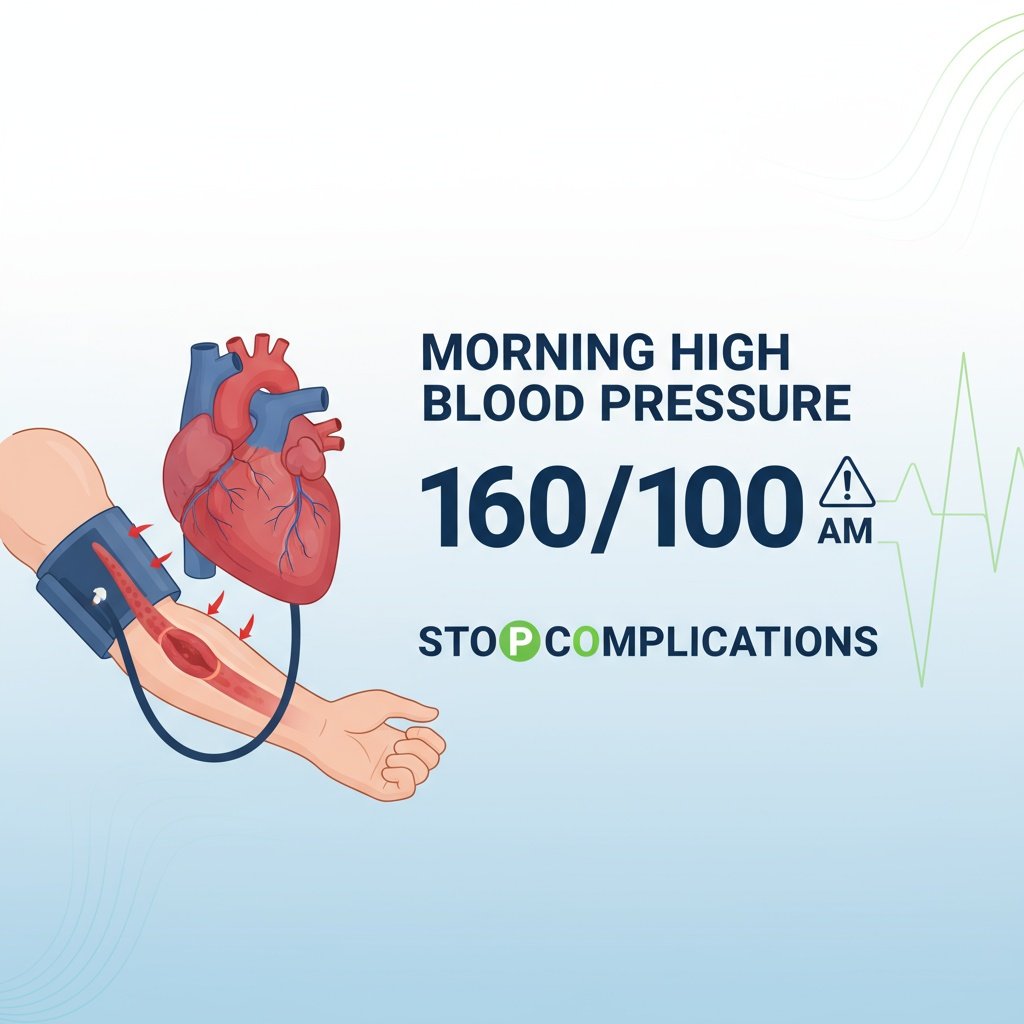
Morning high blood pressure isn’t just an interesting quirk; it’s a critical indicator that needs your attention. For people living with chronic conditions like diabetes and hypertension, elevated morning readings can increase the risk of serious health events such as stroke and heart attack. Studies show that a significant portion of cardiovascular events occur in the early morning hours, directly linked to this natural, yet sometimes dangerous, surge in blood pressure. Understanding and addressing this pattern can contribute significantly to preventing complications and maintaining overall cardiovascular health. Taking proactive steps can help turn potential risks into manageable health habits.
Step-by-Step Guide / Practical Tips
Taking charge of your morning high blood pressure involves a combination of lifestyle adjustments and mindful tracking. Here’s a practical guide to help you get started:
Embrace a Consistent Sleep Schedule
✅ Aim for 7-9 hours of quality sleep: Irregular sleep patterns can disrupt your body’s natural rhythms, including blood pressure regulation.
✅ Go to bed and wake up at the same time each day: Even on weekends, maintaining consistency helps reset your internal clock.
✅ Create a relaxing bedtime routine: This could include reading, a warm bath, or light stretching to signal to your body it’s time to unwind.
Mindful Morning Hydration
✅ Drink a glass of water immediately after waking: Dehydration can sometimes contribute to elevated blood pressure.
✅ Avoid excessive caffeine upon waking: While a morning coffee is fine for many, too much caffeine can temporarily raise blood pressure. Consider switching to herbal tea for your first drink.
Power Up Your Breakfast
✅ Focus on potassium-rich foods: Foods like bananas, oranges, and avocados can help balance sodium levels and support healthy blood pressure.
✅ Opt for whole grains and fiber: Oatmeal, whole-wheat toast, and other fiber-rich foods help maintain stable blood sugar and cardiovascular health.
✅ Limit processed foods high in sodium: Excessive sodium intake is a major contributor to high blood pressure. Check labels carefully.
Incorporate Gentle Morning Movement
✅ Start with light stretching or walking: A gentle walk for 15-30 minutes can help improve circulation and reduce stress, both beneficial for blood pressure.
✅ Avoid strenuous exercise immediately upon waking: Allow your body to fully awaken before engaging in intense physical activity, as this can temporarily spike blood pressure.
Stress Reduction Techniques
✅ Practice deep breathing exercises: Just 5-10 minutes of deep, mindful breathing can help calm your nervous system.
✅ Consider journaling or meditation: These practices can help manage daily stressors that impact blood pressure.
Expert Insight
“The body has a natural circadian rhythm that causes blood pressure to rise in the morning to prepare for daily activity. However, in individuals with underlying hypertension, this morning surge can be exaggerated, increasing cardiovascular risk.”
“Consistent blood pressure monitoring, especially in the morning, is crucial. It provides valuable data that can help both patients and healthcare providers make informed decisions about treatment and lifestyle modifications.”
Common Mistakes to Avoid
Ignoring morning readings: Many people only check their blood pressure later in the day.
- Correction: Measure your blood pressure within an hour of waking, before taking medication or eating, to get an accurate picture of your morning pattern.
Overlooking sleep quality: Thinking that sleep only affects energy levels.
- Correction: Prioritize 7-9 hours of consistent, restful sleep. Address sleep disorders like sleep apnea, which can significantly impact blood pressure.
Rushing your mornings: Starting the day in a high-stress, hurried state.
- Correction: Build in buffer time in your morning routine to allow for slow, calm transitions. Practice mindfulness or light stretching to begin your day peacefully.
Excessive sodium in breakfast foods: Popular breakfast items are often surprisingly high in salt.
- Correction: Read food labels carefully. Opt for homemade meals where you control the salt content.
How to Track or Apply It
Implementing these tips effectively requires consistent tracking. Make it a habit to measure your blood pressure at the same time each morning, ideally before medication and meals. You can log your readings in a simple notebook, a blood pressure tracking app, or by using the StopComplications free tools. These tools can help you identify patterns, understand what strategies are working, and provide valuable data to share with your healthcare provider. Consistency is key to managing morning high blood pressure effectively.
💡 Quick Tip: Keep your blood pressure monitor next to your bed as a visual reminder to take your reading first thing in the morning!
Conclusion
Tackling morning high blood pressure might seem daunting, but armed with knowledge and practical steps, you can significantly improve your heart health. By understanding your body’s rhythms and making conscious choices about sleep, diet, stress, and tracking, you are actively participating in your long-term well-being. These small, consistent changes today can prevent big complications tomorrow.
Ready to take control of your health journey?
Explore more invaluable resources and download free tools to manage your chronic conditions at StopComplications.com.
FAQs
Q: Is it normal for blood pressure to be higher in the morning?AA: Yes, a natural surge in blood pressure in the morning is common. However, an excessively high surge or consistently elevated morning readings (morning hypertension) indicates a need for attention and potential lifestyle adjustments or medical intervention.
Q: What blood pressure reading is considered high in the morning?AA: Generally, a morning blood pressure reading of 135/85 mmHg or higher, when measured at home, is often considered high by healthcare providers. It’s important to discuss your specific readings with your doctor, as individual targets may vary.
Q: Can stress cause morning high blood pressure?AA: Absolutely. Stress, anxiety, and even poor sleep quality can all contribute to an exacerbated morning blood pressure surge. Managing stress through relaxation techniques and ensuring adequate, quality sleep are crucial for controlling morning readings.
Q: Should I take my blood pressure medication before or after my morning reading?AA: Always follow your doctor’s specific instructions regarding medication timing. Generally, it’s recommended to take your morning blood pressure reading before taking any medication, to see your baseline level before the medication takes effect.