Table of Contents
Introduction
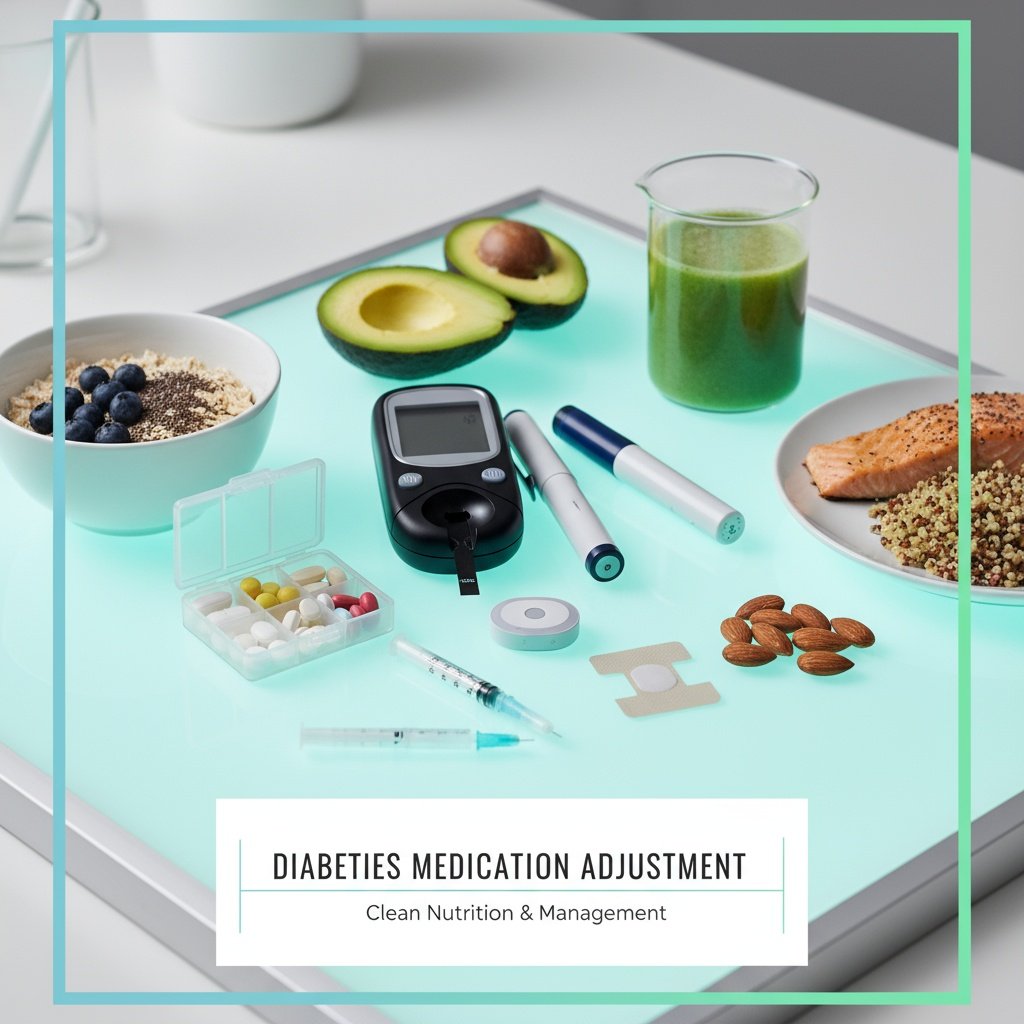
Did you know that over 37 million Americans live with diabetes, and many more manage hypertension and heart conditions? If you’re one of them, you likely understand that managing your health often involves medication. But what happens when your treatment plan, specifically your diabetes medication adjustment, isn’t working as effectively as it once did? It’s a common question, and recognizing the signs that you might need a medication review with your doctor is crucial for your long-term well-being. This guide will walk you through key indicators and offer actionable steps to help you stay on track.
Why It Matters
Your body is constantly changing, and so are the demands placed upon it. What worked for your blood sugar, blood pressure, or cholesterol levels a year ago might not be the most effective approach today. Keeping your chronic condition well-managed, whether it’s diabetes, high blood pressure, or heart disease, is vital for preventing serious complications like kidney disease, nerve damage, strokes, and heart attacks. Regular check-ins and understanding when a diabetes medication adjustment might be necessary can dramatically improve your quality of life and significantly reduce these risks. Evidence shows that proactive medication management can improve outcomes by over 20% in some cases!
Step-by-Step Guide / Practical Tips
Recognizing the need for a medication adjustment usually starts with observing changes in your body or your health readings. Here are vital signs to watch for:
Persistent High or Low Readings
✅ Are your blood sugar levels consistently outside your target range, even with diet and exercise?
✅ Is your blood pressure frequently too high or too low despite taking your medication as prescribed?
✅ Are your cholesterol numbers not improving even after following your doctor’s advice?
- Action: Keep a log of your readings. Consistent readings outside your target range are a strong signal to discuss a potential diabetes medication adjustment with your doctor.
New or Worsening Side Effects
Medications can have various side effects. While some are minor and temporary, others can significantly impact your daily life.
Watch for:
- Unusual fatigue or exhaustion
- Sudden weight gain or loss not related to diet
- Persistent nausea, dizziness, or headaches
- Skin rashes or unusual swelling
- Changes in mood or sleep patterns
Action: If you experience any new or worsening side effects, especially if they are severe or long-lasting, speak to your healthcare provider immediately.
Lifestyle Changes
Life happens! Significant changes in your daily routine can affect how your medication works.
Consider if you’ve had:
- Major changes in your diet
- A new exercise routine (or a significant decrease in activity)
- Considerable weight loss or gain
- Increased stress levels
- Started or stopped other medications or supplements
Action: Discuss these lifestyle shifts with your doctor. They might influence the effectiveness of your current medication and necessitate a diabetes medication adjustment.
Symptoms Not Improving or New Symptoms Appearing
The goal of medication is to manage your condition and alleviate symptoms. If your symptoms aren’t getting better or if new ones pop up, it’s a red flag.
For diabetes: Increased thirst, frequent urination, blurry vision, slow-healing sores.
For hypertension/heart health: Chest pain, shortness of breath, swelling in legs, unexplainable fatigue.
Action: Don’t ignore these signs. Your current treatment might not be sufficient, and a medication review is essential.

Regularly Missing Doses
Sometimes, medication adherence can be a challenge due to complex schedules, side effects, or simply forgetting.
Ask yourself:
- Am I consistently forgetting to take my medication?
- Am I intentionally skipping doses due to side effects?
- Is my medication routine too complicated to follow easily?
Action: Be honest with your doctor. They can help simplify your regimen, address side effects, or explore alternative treatments that fit better into your life, potentially including a diabetes medication adjustment.
Expert Insight
💡 Quick Tip: “Your body’s response to medication isn’t static. Factors like age, kidney function, and liver health can naturally change how you process drugs over time. Regular monitoring helps your doctor ensure your treatment remains safe and effective.”
⚠️ Reminder: “Never stop or change your medication without consulting your doctor. Abrupt changes can be dangerous and lead to severe health consequences.”
Common Mistakes to Avoid
- Ignoring symptoms: Dismissing new or worsening symptoms as “just getting older” can delay necessary adjustments. Correction: Keep a symptom journal and share everything with your doctor.
- Self-adjusting your dosage: Changing your medication dose without medical guidance is risky and can lead to dangerous blood sugar fluctuations or blood pressure issues. Correction: Always discuss any concerns or desired changes with your healthcare provider.
- Not bringing all your medications to appointments: Your doctor needs a complete picture of all drugs and supplements you’re taking to identify potential interactions or reasons for issues. Correction: Always bring an up-to-date list or the actual bottles of all your medications, including over-the-counter drugs and supplements, to every appointment.
- Waiting until your annual check-up: If you notice consistent problems, don’t wait months for your next routine visit. Correction: Schedule an earlier appointment to address concerns promptly.
How to Track or Apply It
Empower yourself by becoming an active participant in your health management. Start by keeping a detailed health log. Note down your blood sugar readings, blood pressure, any new symptoms, changes in your lifestyle, and medication schedule. Many apps and simple notebooks can help with this. You can use StopComplications free tools like our downloadable health log templates to make tracking easy and bring specific data points to your doctor. This allows for data-driven discussions about any potential diabetes medication adjustment or other treatment modifications.
Conclusion
Recognizing the signs that your medication plan might need a review is a crucial step in managing chronic conditions effectively. Your health journey is dynamic, and your treatment should be too. By staying vigilant, tracking your progress, and communicating openly with your healthcare team, you can ensure your medication continues to support your best health. Remember, small steps today can prevent big complications tomorrow.
FAQs
Q: How often should I review my medication with my doctor?AA: It depends on your condition and stability. Generally, at least once a year, but more frequently (every 3-6 months) if your condition is new, unstable, or you’re experiencing issues. Always follow your doctor’s advice.
Q: Can lifestyle changes completely replace medication?AA: For some individuals with very mild conditions, significant lifestyle changes might reduce medication needs. However, for most chronic conditions, medication is a critical component of management. Never stop medication based solely on lifestyle changes without doctor approval.
Q: What should I bring to my appointment if I suspect a medication adjustment is needed?AA: Bring a detailed log of your readings (blood sugar, blood pressure), a list of all current medications and supplements, a list of any new or worsening symptoms, and a record of any recent lifestyle changes.
Q: What if I’m worried about the cost of a new medication?AA: Be transparent with your doctor. There are often alternative medications, generic options, or patient assistance programs that can help make treatment more affordable. Your doctor can often work with you to find a suitable solution.
Ready to take control of your health management? Visit StopComplications.com today to download our free health trackers and e-books designed to help you proactively manage your chronic conditions!