Table of Contents
Are you living with diabetes or looking to prevent chronic conditions like hypertension and heart disease? Have you ever wondered how the food you eat impacts your blood sugar levels and overall well-being? The answer often lies right on your plate, specifically in the carbohydrates you consume. Understanding carb counting for diabetics isn’t just about managing a condition; it’s a powerful tool for anyone aiming to take charge of their health. This guide will walk you through the science, practical steps, and expert tips to master carb counting, helping you navigate your dietary choices with confidence.
Ingredients List
To successfully begin your journey with carb counting, it’s essential to be familiar with common carbohydrate sources and potential substitutions. This isn’t a strict recipe, but rather a flexible list of food categories to help you plan your meals.

- Whole Grains: Brown rice (fluffy, nutty), quinoa (light, earthy), whole wheat bread (hearty, filling), oats (creamy, comforting). These are excellent sources of fiber, which helps slow down sugar absorption.
- Substitutions: Farro, barley, ancient grains like millet.
- Starchy Vegetables: Sweet potatoes (naturally sweet, vibrant orange), corn (juicy, pops of sweetness), peas (tender, green bursts), potatoes (versatile, satisfying).
- Substitutions: Winter squash (butternut, acorn), plantains.
- Legumes: Lentils (earthy, soft), black beans (creamy, rich), chickpeas (nutty, firm). Packed with protein and fiber!
- Substitutions: Kidney beans, pinto beans.
- Fruits: Apples (crisp, refreshing), bananas (creamy, energy-boosting), berries (sweet, tart, full of antioxidants), oranges (zesty, juicy).
- Substitutions: Pears, peaches, grapes – remember to consider portion sizes here as natural sugars add up.
- Dairy & Dairy Alternatives: Milk (creamy, calcium-rich), yogurt (tangy, probiotic), fortified plant milks (almond, soy, oat).
- Substitutions: Unsweetened versions are key.
- Sugary Foods & Drinks: Processed snacks (cookies, chips), sodas, fruit juices. These are high in rapidly absorbed carbohydrates and should be limited.
- Substitutions: Water, herbal tea, sparkling water with fresh fruit slices.
💡 Quick Tip: Focus on nutrient-dense carbohydrates rather than “empty calorie” options. Your body will thank you!
Introduction
Did you know that managing blood sugar effectively can reduce your risk of serious chronic health complications by up to 50%? For many dealing with or at risk for diabetes, hypertension, and heart disease, knowing what and how much to eat feels like a constant puzzle. The good news? It doesn’t have to be. This article provides an actionable, easy-to-understand solution: mastering carb counting for diabetics and beyond. By understanding carbohydrates, you gain powerful control over your blood sugar levels and your long-term health.
Why It Matters
Carbohydrates are your body’s main source of energy. However, for individuals managing diabetes, how and when these carbs are consumed directly impacts blood glucose. Each gram of carbohydrate you eat raises your blood sugar. Too many carbs, or the wrong kind, can lead to dangerous spikes, contributing to insulin resistance, blood vessel damage, and increased risk of heart attack, stroke, and kidney disease. In fact, studies show that consistent blood sugar control through methods like carb counting can significantly lower the risk of developing diabetes-related complications. It’s not just about what you eat, but how it interacts with your unique body.

Step-by-Step Guide / Practical Tips
Ready to become a carb-counting pro? Here’s a simple, step-by-step guide to get you started:
Understand What Carbs Are
Carbohydrates come in three main forms: sugars, starches, and fiber.
- Sugars: Found naturally in fruits, milk, and added to many processed foods. They raise blood sugar quickly.
- Starches: Found in grains, bread, pasta, and starchy vegetables. They also raise blood sugar, but often more slowly than simple sugars, especially if they’re whole grains.
- Fiber: Found in plant foods. Your body can’t digest fiber, so it doesn’t raise blood sugar. It’s a “free” carb that helps with digestion and keeps you full!
Read Food Labels Carefully
This is your secret weapon!
- Look for the “Total Carbohydrate” line.
- Note the “Serving Size” at the top of the label. All numbers are based on this.
- If you eat double the serving, you double the carbs!
- Subtract fiber from total carbs if you’re tracking “net carbs,” though for simplicity, focusing on total carbs is often easier, especially when starting.
Measure Your Portions
Eyeballing isn’t always accurate.
- ✅ Use measuring cups and a food scale, especially when you’re first learning.
- ✅ A cupped hand can estimate about 1/2 cup, a fist is about 1 cup, and your palm is about 3 ounces of protein.
- Consistency in portions leads to more predictable blood sugar responses.
Plan Your Meals
Knowing your carb goals ahead of time helps tremendously.
- Try to distribute your carbs evenly throughout the day rather than eating them all at once.
- Combine carbs with protein and healthy fats to slow down digestion and prevent rapid blood sugar spikes.
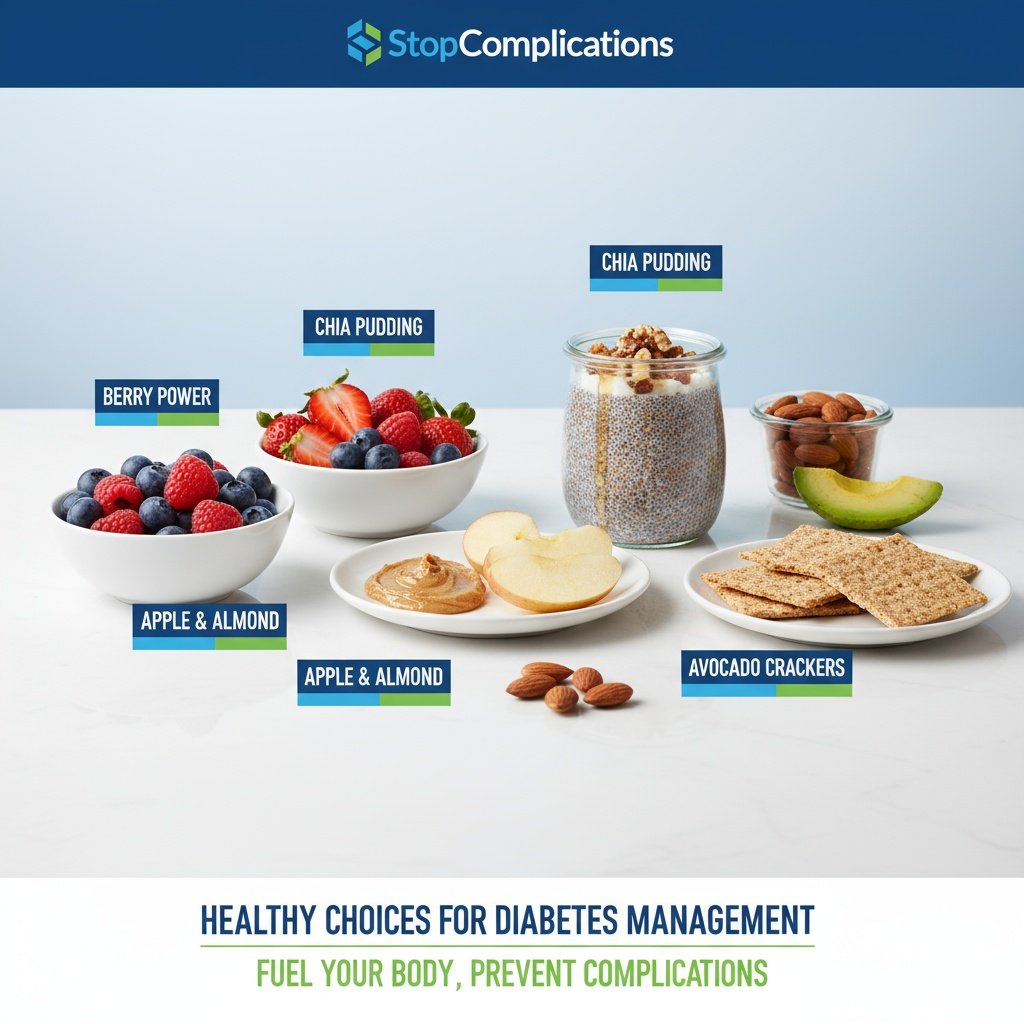
- For example, instead of just an apple (carbs), have an apple with a tablespoon of peanut butter (protein/fat).
Expert Insight
According to the American Diabetes Association, individuals with diabetes can benefit significantly from carb counting, noting its effectiveness in achieving optimal glycemic control. Regular monitoring and strategic carb intake are cornerstone practices. Furthermore, research indicates that a consistent approach to carbohydrate management can lower HbA1c levels, a crucial marker for long-term blood sugar control, illustrating its preventative power against macrovascular and microvascular complications.
Common Mistakes to Avoid
- Ignoring Portion Sizes: A common pitfall is counting “carbs” in a food without considering how much you’re actually eating.
- Correction: Always check the serving size on the label and use measuring tools to ensure accuracy.
- Forgetting Hidden Carbs: Carbs aren’t just in bread and pasta; they’re often hidden in sauces, dressings, and sweetened beverages.
- Correction: Read labels for everything you consume, even condiments. Opt for unsweetened or low-carb versions where possible.
- Only Counting Meal Carbs: Snacks count too! A handful of chips or a small cookie adds up.
- Correction: Factor in all snacks and mini-meals into your daily carb total. Consistency across all eating occasions is key.
- Not Differentiating Carb Types: Treating all carbs the same (e.g., a sugary donut vs. a bowl of oatmeal).
- Correction: Prioritize complex carbohydrates (whole grains, vegetables, legumes) over simple, refined carbs. Complex carbs contain more fiber and nutrients and lead to a more stable blood sugar response.
⚠️ Reminder: Carb counting is a skill that improves with practice. Don’t get discouraged by initial challenges!
How to Track or Apply It
Applying carb counting to your daily life involves a little planning and consistent tracking. You can use a simple pen-and-paper food diary, a spreadsheet, or a dedicated app on your smartphone. Many apps allow you to scan barcodes directly, making it incredibly easy to log your carbohydrate intake. Focus on tracking for a few days to get a baseline understanding of your typical intake. Then, adjust based on your healthcare provider’s recommendations for your specific carb goals. Remember to utilize StopComplications free tools like our meal planners or food log templates to make this process even simpler and more effective.
Conclusion
Mastering carb counting is a powerful step towards better health, whether you’re living with diabetes, hypertension, or striving for a healthier lifestyle. It empowers you to make informed food choices, stabilize blood sugar, and ultimately reduces your risk of chronic complications. Small steps today can prevent big complications tomorrow. By understanding the science behind your food, you’re investing in a healthier, more vibrant future.
Ready to take control of your health journey? Visit StopComplications.com today to access our free tools, e-books, and resources designed to help you live a healthier life and prevent chronic disease.
FAQs
Q: Is carb counting only for people with diabetes?AA: A: While essential for diabetes management, carb counting can benefit anyone looking to manage weight, improve energy levels, and prevent chronic diseases like hypertension and heart disease by providing a deeper understanding of food’s impact on the body.
Q: Do I need to count “net carbs” or “total carbs”?AA: For most people starting out, focusing on “total carbohydrates” is simpler and often effective. “Net carbs” involve subtracting fiber and sugar alcohols, which can be useful but may complicate the process when you’re first learning. Consult your dietitian for personalized advice.
Q: How many carbs should I eat per day?AA: This varies greatly depending on your age, activity level, weight goals, and specific health conditions. It’s crucial to discuss your individual carbohydrate targets with a healthcare professional or registered dietitian to create a personalized plan.
Q: What if I accidentally eat too many carbs?AA: Don’t get discouraged! One day of higher carb intake won’t derail all your progress. The key is consistency over time. Simply get back on track with your next meal and learn from the experience.