Table of Contents
Introduction
Did you know that managing your blood sugar doesn’t mean saying goodbye to all things sweet? For many living with diabetes, finding safe and tasty alternatives to sugar is a daily challenge. This post will guide you through the world of sugar substitutes, helping you discover the best sweeteners for diabetes that won’t spike your blood glucose. Get ready to enjoy sweetness responsibly!
Why It Matters
Living with chronic conditions like diabetes, hypertension, or heart disease often means carefully watching your sugar intake. Too much added sugar isn’t just about weight gain; it can lead to dangerous blood sugar spikes, increased inflammation, and a higher risk of heart problems. In fact, research shows that reducing added sugar intake is a cornerstone of managing these conditions effectively. Choosing the right sugar substitute can make a significant difference in your journey towards better health, without feeling deprived.
Ingredients List
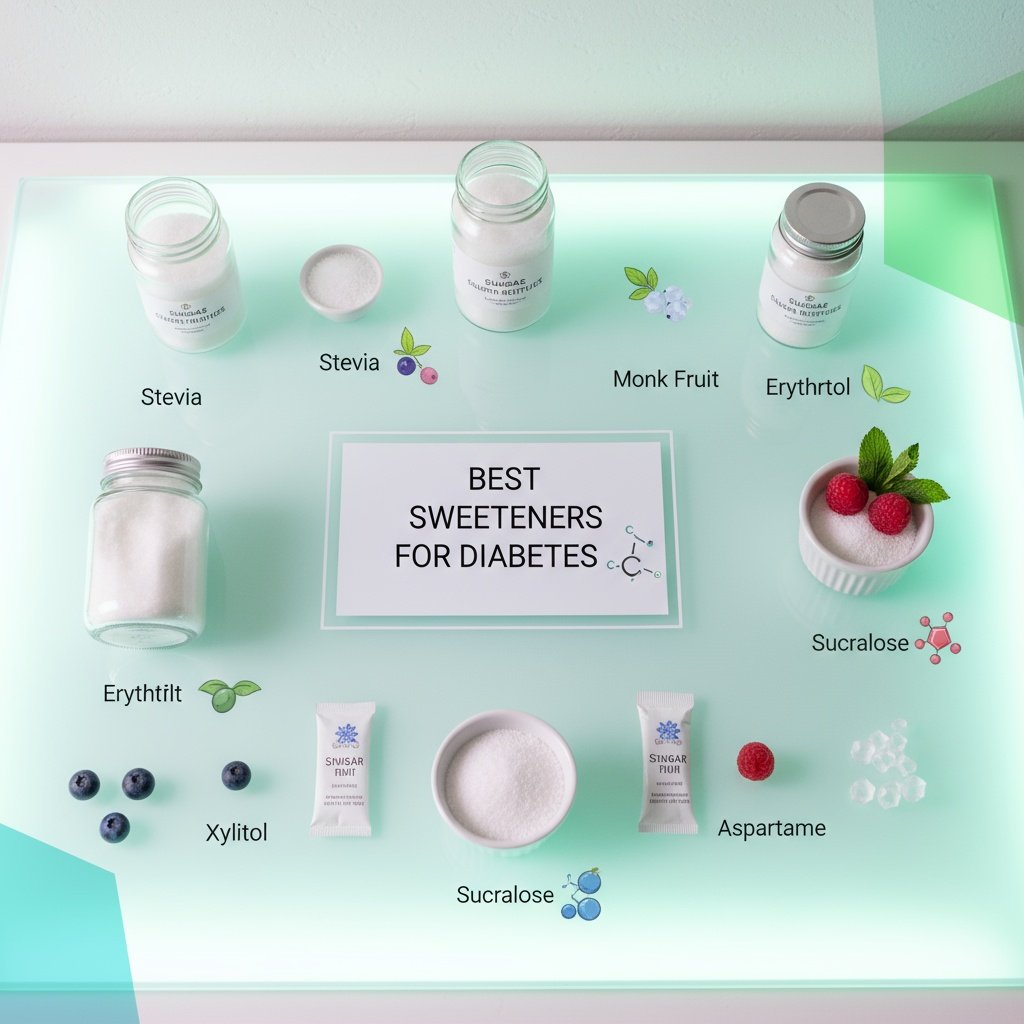
Navigating the aisle of sugar alternatives can be overwhelming. Here’s a clear, organized list of ingredients commonly used as sugar substitutes, along with their key features and potential uses:
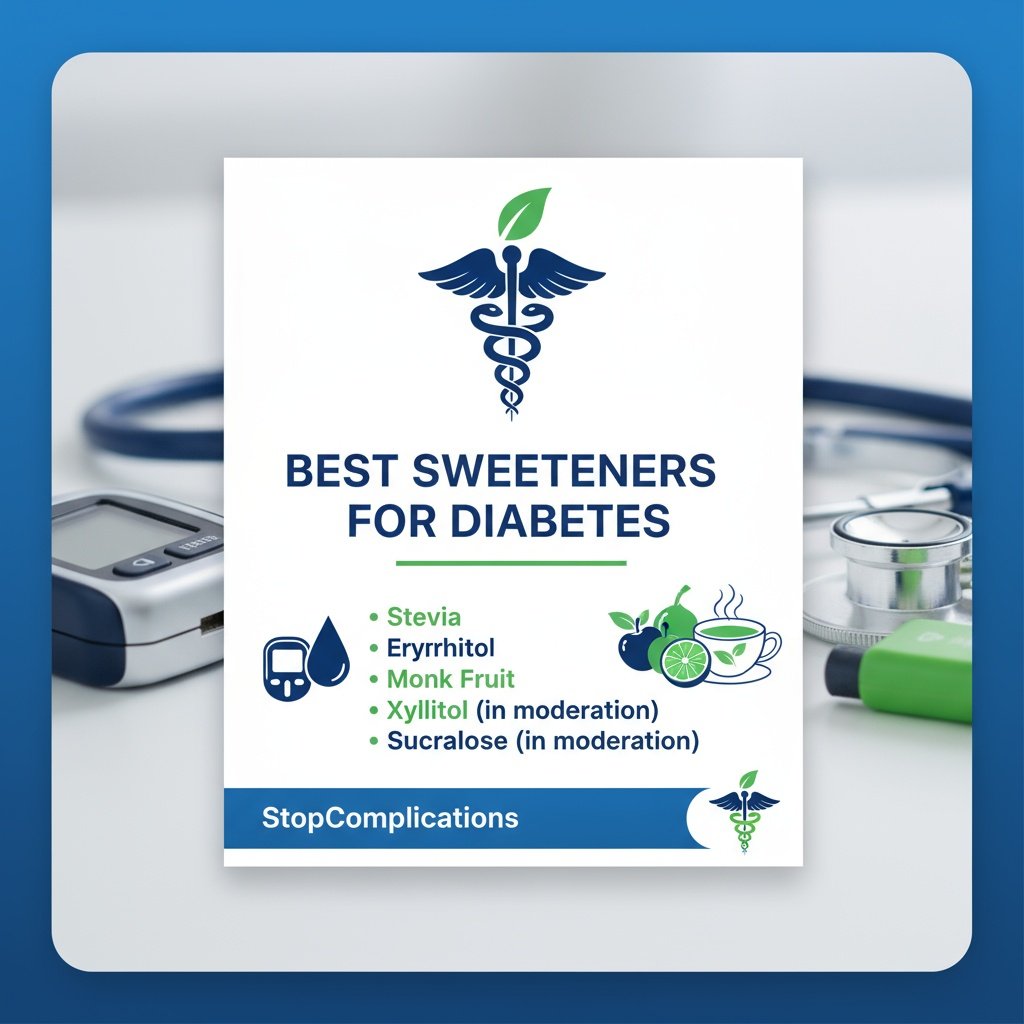
- Stevia: Derived from the stevia plant, this natural sweetener is calorie-free and significantly sweeter than sugar. It’s great for sweetening beverages like tea and coffee, and can be used in baking (though you might need less!).
- Monk Fruit: Another natural, calorie-free option, monk fruit extract is also much sweeter than sugar. It’s excellent in drinks, desserts, and often blends well with other ingredients.
- Erythritol: A sugar alcohol found naturally in some fruits. It has very few calories and a mild sweetness, making it a popular choice for baking as it measures much like sugar.
- Xylitol: Also a sugar alcohol, found in many fruits and vegetables. It tastes very similar to sugar and has about two-thirds the calories. Caution: Xylitol is toxic to dogs, so keep it away from pets.
- Sucralose (Splenda): An artificial sweetener that is calorie-free and very sweet. It holds up well in high temperatures, making it suitable for cooking and baking.
- Aspartame (NutraSweet, Equal): Another artificial sweetener, calorie-free and extremely sweet. Best used in cold beverages as its sweetness can break down with heat.
- Saccharin (Sweet’N Low): One of the oldest artificial sweeteners, it’s calorie-free and much sweeter than sugar. It’s often used in tabletop sweeteners and diet sodas.
💡 Quick Tip: When choosing, consider if you prefer a natural or artificial sweetener. Natural options like stevia and monk fruit are often favored for their plant-based origins.
Step-by-Step Guide / Practical Tips
Ready to integrate the best sweeteners for diabetes into your daily routine? Here’s how:
1. Start Small and Taste
✅ Introduce gradually: Don’t swap all your sugar at once. Start by replacing sugar in one or two items you consume daily, like your morning coffee or a favorite dessert.
✅ Measure carefully: Sugar substitutes are often much sweeter than regular sugar. Begin with half the amount you’d typically use and adjust to your taste.
2. Read Labels Diligently
✅ Check for hidden sugars: Even products labeled “sugar-free” might contain other carbohydrates or artificial ingredients that can raise blood sugar.
✅ Understand ingredients: Look for the specific names of sweeteners on ingredient lists to know exactly what you’re consuming.
3. Experiment with Baking
✅ Not all sweeteners bake equally: Some, like erythritol, work well in baking, often providing good bulk and texture. Others, like stevia, might require specific recipes or combinations to avoid bitterness.
✅ Look for diabetic-friendly recipes: Many recipes are specifically designed to use sugar substitutes effectively, ensuring delicious results.
4. Monitor Your Body’s Response
✅ Track your blood sugar: After introducing a new sweetener, monitor your blood glucose levels to see how your body reacts. Everyone is different!
✅ Note digestive comfort: Some sugar alcohols, if consumed in large quantities, can cause digestive upset. Pay attention to how you feel.
Expert Insight
- “While sugar substitutes offer a great way to enjoy sweetness without the caloric impact of sugar, they are not a ‘free pass.’ It’s crucial to focus on whole, unprocessed foods primarily and use sweeteners in moderation.”
- “Emerging research suggests that the impact of artificial sweeteners on gut microbiome health is an area of ongoing study. For long-term health, prioritizing natural, low-glycemic options and reducing overall sweet cravings is the most beneficial approach.”
Common Mistakes to Avoid
- Mistake: Believing “sugar-free” means “healthy” or “eat as much as you want.”
Correction: Sugar-free products can still be high in calories, unhealthy fats, or refined flours. Always check nutritional labels and practice portion control. - Mistake: Using excessive amounts of sugar substitutes.
Correction: Overuse can lead to an increased desire for sweet foods or digestive discomfort. Use the minimum amount needed to achieve desired sweetness. - Mistake: Expecting every sugar substitute to taste exactly like sugar.
Correction: Each sweetener has a unique taste profile. Be open to different flavors and experiment to find your personal favorites. Some might have a slight aftertaste, which you may or may not notice.
How to Track or Apply It
To successfully integrate the best sweeteners for diabetes into your diet, consistent tracking is key. Keep a simple food diary where you note the type and amount of sweetener you use, along with your blood sugar readings afterward. This helps you identify which sweeteners work best for your body. You can also log your food choices and blood sugar trends using StopComplications free tools. Consistent tracking empowers you to make informed decisions and maintain better control over your health.
Conclusion
Choosing the right sugar substitute is a powerful step in managing diabetes, hypertension, and promoting heart health. By understanding your options and incorporating them wisely, you can enjoy the treats you love without compromising your well-being. Remember, small steps today can prevent big complications tomorrow.
For more resources and free tools to help you manage your chronic conditions, visit StopComplications.com today!
FAQs
Q: Are natural sweeteners always better than artificial ones for diabetics?AA: Not necessarily. Both natural (like stevia, monk fruit) and artificial (like sucralose, aspartame) sweeteners are generally considered safe for diabetics and do not significantly raise blood sugar. The “best” choice often comes down to personal preference and how your body responds.
Q: Can sugar substitutes help me lose weight?AA: Sugar substitutes can help reduce your calorie intake if they replace sugary foods without adding extra calories elsewhere. However, they are not a magic bullet for weight loss. A balanced diet and regular exercise are still crucial for weight management.
Q: Do sugar alcohols count as carbs for diabetics?AA: Yes, sugar alcohols do contain carbohydrates, but they are often digested differently, leading to a smaller impact on blood sugar compared to regular sugar. Always check the “total carbohydrates” and “sugar alcohol” amounts on nutrition labels and factor them into your meal planning.
Q: Can I use sugar substitutes in all my recipes?AA: Many sugar substitutes can be used in cooking and baking, but some may behave differently than sugar. For instance, they might not brown or caramelize the same way. It’s often best to follow recipes specifically designed for sugar substitutes or to experiment gently.