Table of Contents
Safe Exercise for Type 2 Diabetes: Move More, Live Better.

Ingredients List
To successfully incorporate safe exercise for type 2 diabetes into your routine, you don’t need fancy equipment, just a few key “ingredients”:
- Comfortable, supportive shoes: Think walking shoes, athletic sneakers – something that cushions your feet and prevents blisters. These are your foundation for movement!
- Loose-fitting, breathable clothing: Cotton or athletic wicking fabrics are perfect. You want to feel free to move, not restricted.
- Water bottle: Hydration is crucial, especially during and after exercise. A good, reusable bottle keeps you sip-ready.
- Blood glucose monitor: Essential for checking your levels before, and sometimes during or after, exercise to prevent highs and lows.
- Small snack (if needed): Think a piece of fruit, a few crackers, or glucose tablets – for quick sugar if your levels drop.
- Support system: A friend, family member, or even a pet can make exercising more fun and keep you accountable.
- Doctor’s guidance: Your most important “ingredient”! Always check with your healthcare provider before starting any new exercise for type 2 diabetes program.
Introduction
Did you know that over 37 million Americans live with diabetes, and many struggle with knowing how to safely incorporate physical activity into their lives? It’s a common challenge: understanding how to effectively move your body without affecting your blood sugar or putting yourself at risk. But here’s the good news: mastering safe exercise for type 2 diabetes can be one of the most powerful tools in your health arsenal, naturally lowering glucose and improving your overall well-being. This guide will walk you through actionable steps to make exercise a safe and beneficial part of your journey.
Why It Matters
Physical activity isn’t just about feeling good; for those managing chronic conditions like type 2 diabetes, hypertension, and heart disease, it’s a critical component of disease management. Regular exercise for type 2 diabetes helps your body use insulin more efficiently, reducing insulin resistance and lowering blood sugar levels. Studies show that even moderate physical activity can decrease HbA1c levels, a key indicator of long-term blood glucose control. Furthermore, exercise strengthens your heart, improves blood pressure, and can even help manage weight, all crucial factors in preventing complications associated with these conditions. It’s a natural, powerful medicine without the side effects!

Step-by-Step Guide / Practical Tips
Ready to get moving? Here’s how you can safely embrace exercise:
1. Consult Your Doctor First
Before lacing up your shoes, talk to your healthcare provider. They can:
- ✅ Assess your current health and identify any restrictions.
- ✅ Recommend specific types of exercise for type 2 diabetes that are safe for you.
- ✅ Adjust medication schedules if needed to prevent hypoglycemia.
2. Monitor Your Blood Sugar
Knowing your numbers is key.
- ✅ Check your blood sugar before and after exercise (and sometimes during lengthy sessions).
- ✅ If it’s below 100 mg/dL, have a small snack.
- ✅ If it’s above 250 mg/dL, avoid intense exercise until levels are lower, as it could raise them further.
3. Start Slow and Be Consistent
You don’t need to run a marathon on day one.
- ✅ Begin with 5-10 minutes of light activity, like walking, and gradually increase.
- ✅ Aim for at least 150 minutes of moderate-intensity aerobic exercise for type 2 diabetes per week (e.g., brisk walking, swimming).
- ✅ Add 2-3 sessions of strength training (using light weights or bodyweight) on non-consecutive days.
4. Stay Hydrated and Wear Proper Footwear
Protect your body and prevent complications.
- ✅ Drink plenty of water before, during, and after your workout.
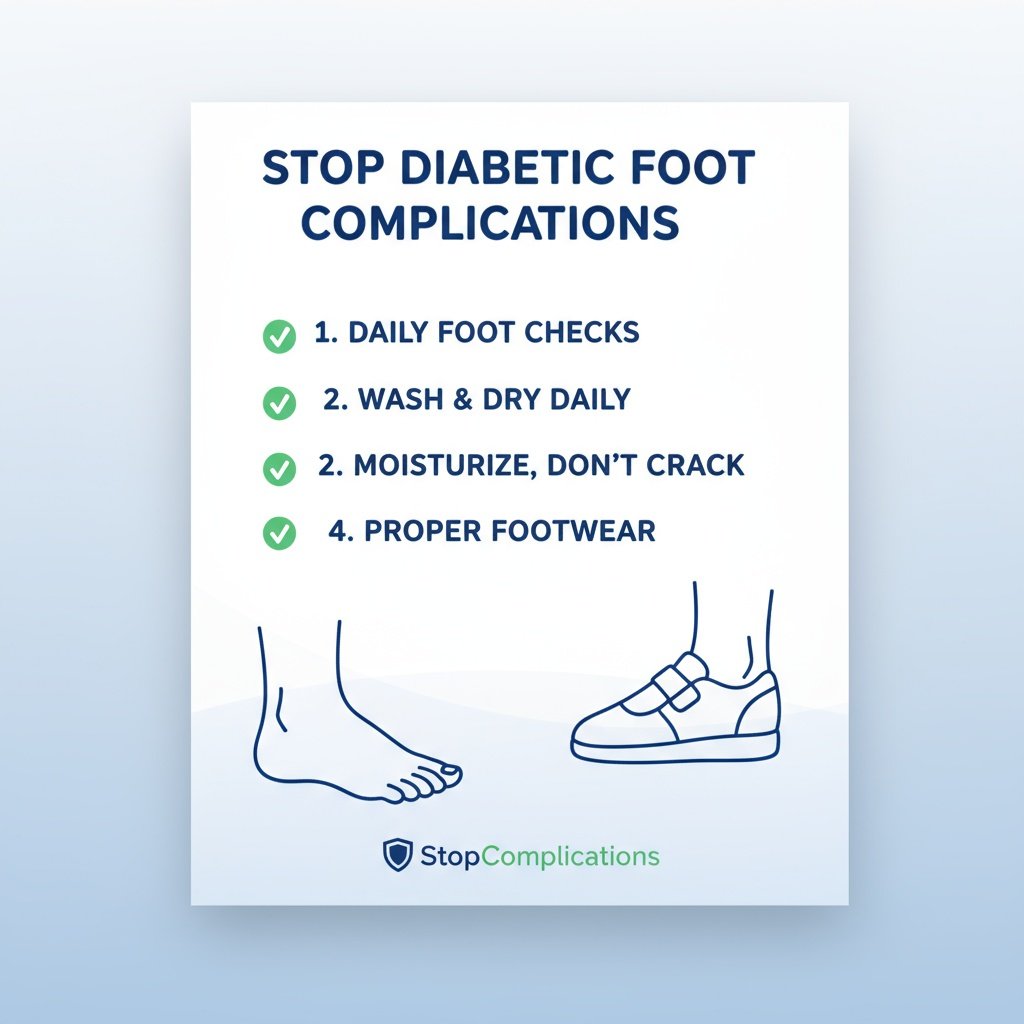
- ✅ Always wear comfortable, supportive shoes and inspect your feet daily for blisters or cuts, especially if you have neuropathy.
Expert Insight
Exercising regularly has been shown to reduce the risk of developing type 2 diabetes complications, including heart disease and nerve damage, by improving cardiovascular health and blood flow. Even short bursts of activity, like walking for 10-15 minutes after meals, can significantly impact post-meal blood glucose levels.
Common Mistakes to Avoid
Knowing what not to do is just as important as knowing what to do.
- Mistake #1: Skipping the doctor’s visit.
- Correction: Always get medical clearance. Your doctor knows your unique health profile best and can advise on safe limits.
- Mistake #2: Going from zero to hero too quickly.
- Correction: Gradual progression prevents injury and burnout. Listen to your body and build up intensity and duration slowly.
- Mistake #3: Ignoring blood sugar monitoring.
- Correction: Consistent checks before, during, and after exercise help prevent dangerous highs or lows. Carry a quick sugar source.
- Mistake #4: Exercising with improper footwear.
- Correction: Invest in good athletic shoes, especially if you have diabetic neuropathy, to protect your feet from injury and infection.
How to Track or Apply It
Making safe exercise a habit requires tracking and consistency. You can use a simple notebook, a fitness tracker, or even your smartphone to log your activities. Note down:
- Type of exercise (e.g., walking, cycling, bodyweight exercises)
- Duration
- Intensity (e.g., easy, moderate)
- Blood sugar readings before and after
- How you felt
This information helps you see your progress, identify patterns in your blood sugar responses, and stay motivated. Remember, consistency is key! Look for StopComplications free tools, like printable trackers, to help you stay on course.
💡 Quick Tip: Find an exercise buddy! Having someone to exercise with can boost motivation and make your workouts more enjoyable.
Conclusion
Embracing safe exercise for type 2 diabetes is a powerful step towards better health and a more vibrant life. By integrating physical activity into your routine in a safe and informed way, you actively participate in managing your condition and preventing future complications. Remember to start slow, listen to your body, and always consult your healthcare provider. Small steps today can prevent big complications tomorrow. Visit StopComplications.com for more resources and support on your health journey.
FAQs
Q: What is the best type of exercise for type 2 diabetes?AA: A combination of aerobic exercise (like brisk walking, swimming, cycling) and strength training (using weights or bodyweight) is generally recommended for optimal blood sugar control and overall health. Always consult your doctor for personalized advice.
Q: How often should someone with type 2 diabetes exercise?AA: Most guidelines recommend at least 150 minutes of moderate-intensity aerobic activity per week, spread across at least 3 days, with no more than 2 consecutive days without exercise. Additionally, 2-3 sessions of muscle-strengthening activities are encouraged.
Q: Can exercise lower my need for diabetes medication?AA: Regular exercise can sometimes improve insulin sensitivity and blood sugar control to the point where your doctor may consider adjusting your medication dosage. However, never adjust your medication without consulting your healthcare provider first.
Q: What should I do if my blood sugar drops too low during exercise?AA: If you experience symptoms of hypoglycemia (dizziness, shakiness, confusion) or your blood sugar drops below 70 mg/dL, stop exercising immediately and consume 15 grams of fast-acting carbohydrates (e.g., glucose tablets, 4 ounces of juice or regular soda). Recheck your blood sugar after 15 minutes and repeat if still low.