Table of Contents
Emotional Burnout in Diabetes: Recharging Your Resilience
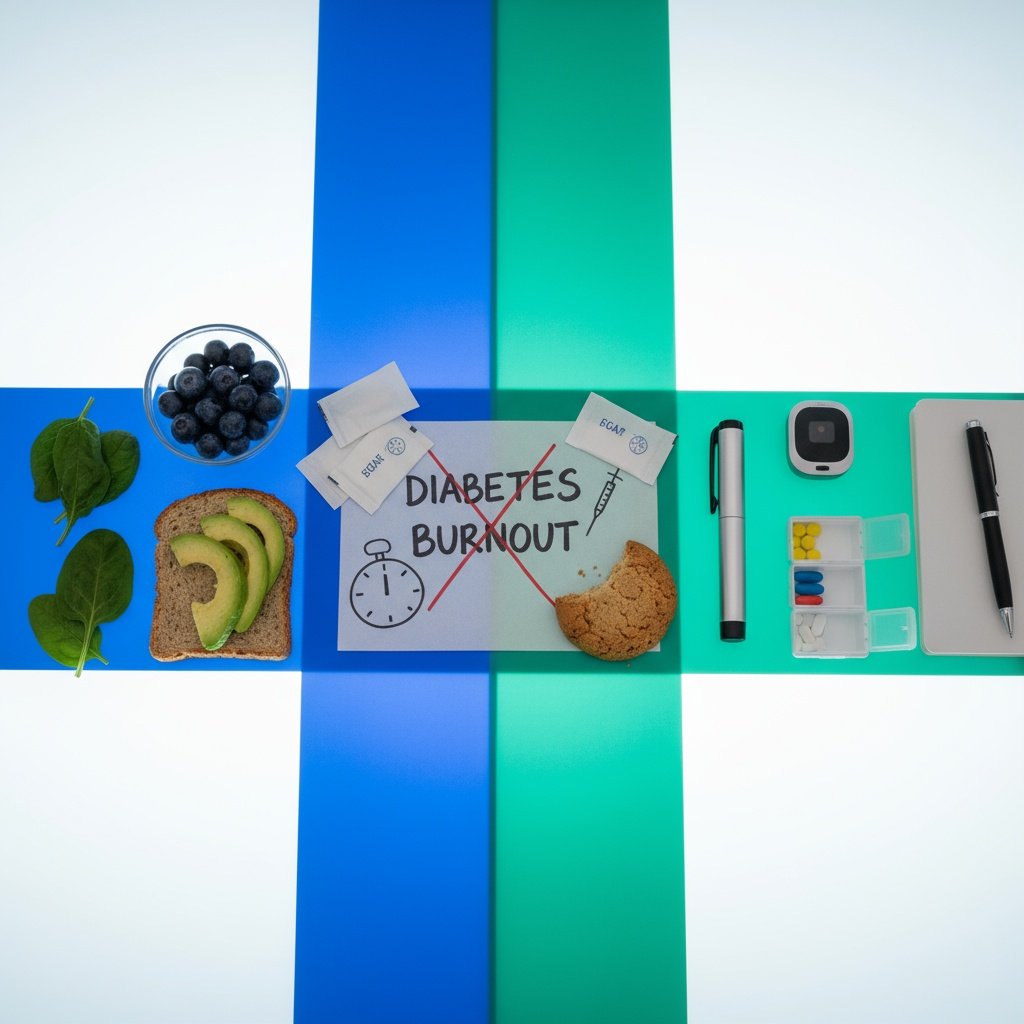
Ingredients List
- Mindfulness & Relaxation Techniques: Deep breathing exercises, meditation apps, gentle yoga.
- Substitution: Progressive muscle relaxation, journaling.
- Support System: Trusted friends, family members, online communities, or a diabetes support group.
- Substitution: A therapist specializing in chronic conditions.
- Time for Yourself: Scheduled breaks, engaging in hobbies, quiet reflection.
- Substitution: Short walks in nature, listening to restorative music.
- Structured Routine: A consistent sleep schedule, regular meal times, planned physical activity.
- Substitution: Using a planner or digital calendar to organize daily tasks.
- Self-Compassion: A kind and understanding attitude towards yourself, acknowledging that managing diabetes is hard.
- Substitution: Positive affirmations, practicing gratitude.
Introduction
Did you know that up to 70% of people with chronic conditions report feeling overwhelmed at times? Living with diabetes is a daily marathon, not a sprint. The constant monitoring, medication management, diet adjustments, and doctor visits can take a heavy toll. It’s no wonder many experience what’s known as diabetes burnout—a feeling of exhaustion, frustration, and disinterest in self-care. But don’t worry, you’re not alone, and this post promises actionable solutions to help you reignite your motivation and reclaim your energy.
Why It Matters
Diabetes burnout isn’t just about feeling tired; it can significantly impact your health outcomes. When motivation wanes, people might skip blood sugar checks, miss medication doses, or make less-than-ideal food choices. This can lead to uncontrolled blood sugar, increasing the risk of serious complications like heart disease, kidney problems, and nerve damage. One study found that individuals experiencing high levels of diabetes distress (a close cousin to burnout) had A1c levels that were, on average, 0.8% higher. Addressing these feelings is crucial for overall well-being and preventing long-term damage.
Step-by-Step Guide / Practical Tips
Recharging your resilience against diabetes burnout is a journey, not a destination. Here are practical steps to help you along the way:
1. Acknowledge Your Feelings
It’s okay not to be okay. The first step is to recognize and validate your emotions.
- ✅ Don’t bottle up frustration or sadness.
- ✅ Talk to someone you trust about how you feel.
- ✅ Remember, burnout is a common, understandable response to a demanding condition.
2. Simplify Your Routine
Sometimes, the sheer number of tasks can feel overwhelming. Look for ways to simplify.
- ✅ Use pill organizers for medications.
- ✅ Plan meals in advance to reduce daily stress.
- ✅ Explore continuous glucose monitors (CGMs) if daily finger pricks are a source of stress (discuss with your doctor).
3. Set Realistic Goals
Big changes can feel daunting. Focus on small, achievable steps.
- ✅ Instead of “exercise daily,” try “walk for 15 minutes three times a week.”
- ✅ Celebrate small victories to build momentum.
- ✅ Re-evaluate your goals regularly to ensure they remain manageable.
4. Connect with Support
You don’t have to carry this burden alone.
- ✅ Join a local or online diabetes support group.
- ✅ Lean on family and friends for emotional support.
- ✅ Consider talking to a therapist or counselor specializing in chronic illness.
5. Prioritize Self-Care
Self-care isn’t selfish; it’s essential for managing a chronic condition.
- ✅ Schedule time for activities you enjoy, unrelated to diabetes management.
- ✅ Practice mindfulness or meditation to reduce stress.
- ✅ Ensure you get adequate, restful sleep.
💡 Quick Tip: Even 5 minutes of focused deep breathing can make a difference in reducing immediate stress. Try inhaling for 4 counts, holding for 4, and exhaling for 6.
Expert Insight
Managing chronic conditions like diabetes requires consistent effort and can lead to emotional strain. Research indicates that unmet emotional needs are a significant predictor of poorer health outcomes in people with diabetes. Furthermore, studies show that engaging in regular physical activity, even moderate, can significantly reduce symptoms of depression and anxiety, which often accompany diabetes burnout.
Common Mistakes to Avoid
- Ignoring your feelings: Pretending burnout isn’t happening only makes it worse.
- Correction: Acknowledge your emotions. Allow yourself to feel frustrated, then seek constructive ways to cope.
- Trying to be perfect: Striving for absolute perfection in diabetes management is unsustainable and leads to distress.
- Correction: Aim for consistency, not perfection. One off-day doesn’t erase all your progress.
- Isolating yourself: Pushing away support systems when you’re feeling low.
- Correction: Reach out. Connect with friends, family, or a support group. Sharing helps lighten the load.
- Neglecting self-care: Believing you don’t have time for hobbies or relaxation.
- Correction: Self-care is a vital part of your diabetes management plan. Schedule it just like your medications.
How to Track or Apply It
Starting small is key. Pick one or two tips from above that resonate with you the most. You can apply these tips by:
- Journaling: Keep a simple notebook to track your mood, identify triggers for overwhelm, and note down what helps you feel better.
- Scheduling: Block out “self-care time” in your calendar, even if it’s just 15 minutes for a quiet coffee or a short walk.
- Using a Habit Tracker: There are many free apps available, or you can use one of the StopComplications free tools designed to help you log your positive health habits.
⚠️ Reminder: Consistency is more important than intensity when building new habits to combat diabetes fatigue.
Conclusion
Diabetes burnout is a real and challenging aspect of living with a chronic disease, but it doesn’t have to define your journey. By acknowledging your feelings, simplifying your routine, seeking support, and prioritizing self-care, you can regain control and renew your motivation. Remember, small steps today can prevent big complications tomorrow. You are not alone in this fight, and your well-being matters.
Ready to take control of your health and re-energize your diabetes management?
FAQs
Q: Is diabetes burnout the same as depression?AA: While they share some symptoms like low energy and lack of motivation, diabetes burnout is specifically tied to the demands of managing diabetes. Depression is a broader mood disorder. However, burnout can increase the risk of depression if left unaddressed.
Q: Can my doctor help with diabetes burnout?AA: Absolutely! Your doctor is an important part of your support system. Discussing your feelings of burnout can help them adjust your treatment plan, recommend a therapist, or connect you with support resources.
Q: How long does diabetes burnout last?AA: There’s no set timeline. It varies for everyone based on individual coping strategies and support. Addressing the underlying causes and implementing self-care strategies can help reduce its duration and intensity.
Q: What if I feel guilty about experiencing burnout?AA: Those feelings are common but unnecessary. Managing diabetes is hard work, and burnout is a natural response. Be kind to yourself; guilt only adds to the burden. Focus on self-compassion and seeking solutions.
Visit StopComplications.com today for free resources, expert guides, and tools designed to empower you on your health journey and help you prevent chronic disease complications!