Table of Contents
Why You Need a Glucose Journal: Your Essential Glucose Tracking Logbook
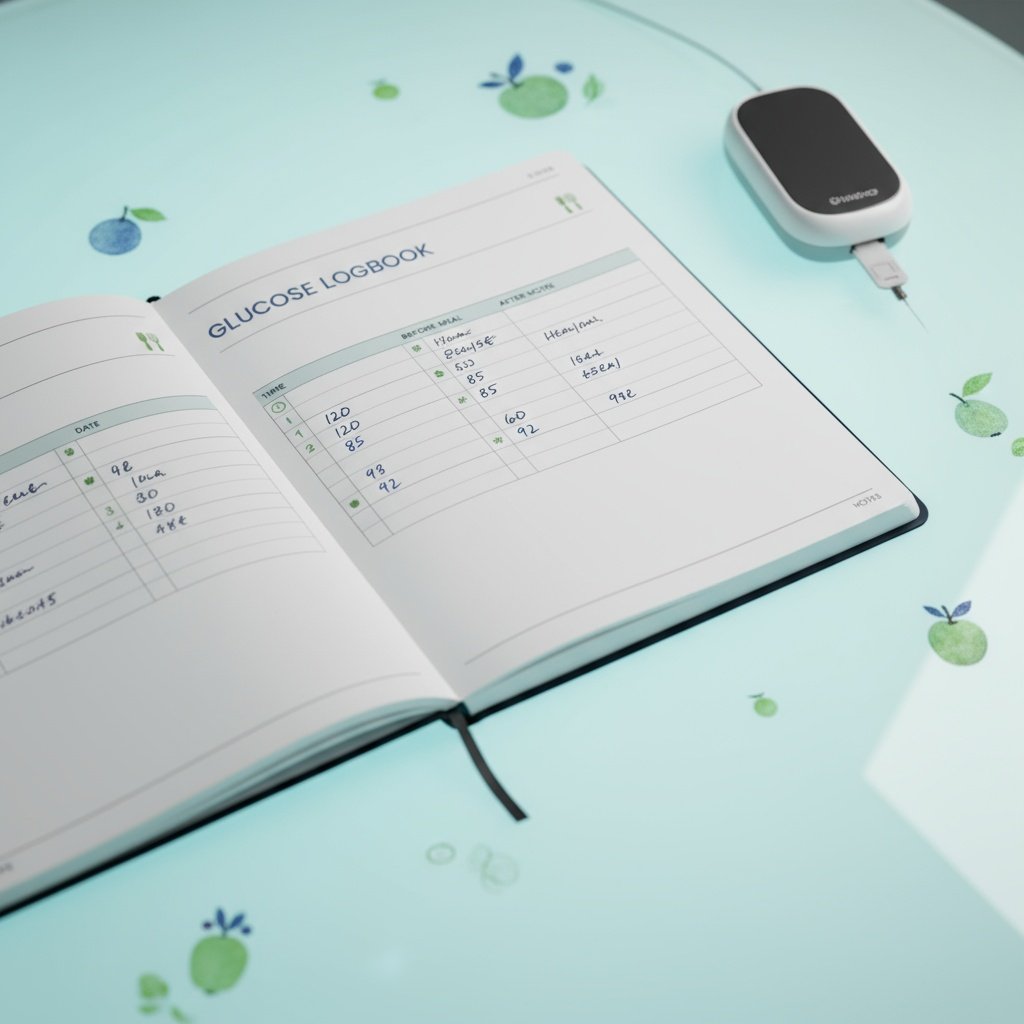
Ingredients List
To successfully embark on your glucose tracking logbook journey, you’ll need a few simple “ingredients” to ensure clarity, consistency, and motivation. Think of these as your essential tools for a healthier you!
- Reliable Glucose Meter: The cornerstone of your tracking. Ensure it’s accurate and easy to use.
- Substitution: Some smartwatches or continuous glucose monitors (CGMs) can sync data, offering a more automated approach.
- Physical Logbook or Digital App: Your dedicated space for recording.
- Substitution: A simple notebook, a spreadsheet on your computer, or even a note-taking app on your phone can work in a pinch.
- Pen or Stylus: For clear and legible entries if using a physical logbook.
- Substitution: If digital, ensure your device is charged!
- Reminder System: A consistent way to remember to check your blood sugar.
- Suggestions: Phone alarms, sticky notes, or linking it to daily routines like before/after meals.
- Healthy Snack & Water Bottle (Optional): Many find it helpful to track how specific foods and hydration impact their numbers. This helps you paint a fuller picture of your health story.
- Open Mind & Patience: Learning your body’s patterns takes time. Be kind to yourself!
Introduction
Did you know that consistent blood sugar tracking can reduce the risk of diabetes complications by up to 50%? Living with diabetes, pre-diabetes, hypertension, or concerns about heart health often feels like navigating a maze. One day your numbers are good, the next they’re not, and it’s hard to pinpoint why. The truth is, managing chronic conditions effectively requires more than just guesswork; it demands insight. That’s where a simple, yet powerful tool comes in: your personal glucose tracking logbook. It’s not just about numbers; it’s about understanding your body’s unique language and taking proactive steps toward sustained wellness.
Why It Matters
For millions managing diabetes, hypertension, and heart health, understanding daily patterns is critical. Research shows that people who regularly track their blood glucose levels have better A1C results, leading to fewer long-term complications like nerve damage, kidney disease, and heart attacks. Think of your body as a complex machine; without knowing what’s going in and what’s coming out, it’s difficult to make the right adjustments.
Consistent tracking helps you:
- Identify Triggers: What foods spike your sugar? Which activities lower it?
- Assess Medication Effectiveness: Is your current dosage working as intended?
- Communicate with Your Doctor: Provide clear data for informed treatment plans.
- Boost Motivation: See your progress and celebrate small wins.
💡 Quick Tip: Don’t just record the number; note what you ate or did beforehand. This context is gold!
Step-by-Step Guide: Making Your Logbook Work For You
Getting started with your glucose tracking diary is easier than you think. Here’s a simple guide to turn scattered readings into actionable insights.
1. Choose Your Method
Whether it’s a paper journal, an app, or an online spreadsheet, pick a method you’ll stick with.
- ✅ Physical Journal: Tangible, no battery needed, easy to glance at.
- ✅ Digital App: Often includes charts, reminders, and easy sharing with healthcare providers.
2. Set a Schedule
Consistency is key. Decide when you’ll check your glucose. Common times include:
- First thing in the morning (fasting)
- Before meals
- 1-2 hours after meals
- Before bedtime
- Before and after exercise
3. Record Everything (That Matters)
Beyond just the glucose number, note down relevant details that might influence it.
- Date and Time
- Glucose Reading
- Meal Eaten: What and how much.
- Medication Taken: Type and dosage.
- Activity Level: Light walk, intense workout, sedentary day.
- Feelings/Stress: Mood can impact blood sugar.
4. Review Regularly
Don’t just record; analyze! Set aside time weekly or bi-weekly to look over your entries.
- Look for patterns.
- Identify highs and lows.
- Note correlations between food, activity, and readings.
Expert Insight
“Regular self-monitoring of blood glucose, when paired with thoughtful interpretation, empowers individuals to become active participants in their healthcare,” says Dr. Emily R. Williams, a specialist in metabolic health. “It’s not just a collection of data; it’s a dialogue with your own body that informs better choices.”
Another study published in Diabetes Care highlights that “daily blood sugar tracking significantly improves glycemic control across various patient groups, demonstrating its fundamental role in diabetes prevention and management.”
Common Mistakes to Avoid
Even with the best intentions, it’s easy to fall into traps when tracking your glucose levels.
- Only Recording “Good” Numbers:
- Correction: Be honest with every reading, even the ones you don’t like. They provide crucial information.
- Tracking Without Context:
- Correction: Always note what you ate, did, or how you felt. The number alone isn’t enough.
- Getting Discouraged by Fluctuations:
- Correction: Blood sugar naturally fluctuates. Understand that one high reading doesn’t undo your progress. Use it as a learning opportunity.
- Not Sharing with Your Doctor:
- Correction: Bring your logbook to appointments. It’s an invaluable tool for your healthcare team.
How to Track or Apply It
Applying these tips into your daily routine is about forming new habits. Start small. Perhaps commit to tracking your fasting glucose and one post-meal reading every day for a week. As you get comfortable, expand your tracking.
For easier organization and deeper insights, consider using the StopComplications free tools. Our digital trackers are designed to simplify the process, allowing you to quickly log data and visualize trends, giving you a comprehensive overview of your health journey. Many find using a dedicated glucose monitoring diary or blood glucose journal to be the most effective method for long-term consistency.
Conclusion
Taking control of your health journey starts with understanding it. A well-kept glucose tracking logbook can be your most powerful ally in preventing diabetes complications, managing hypertension, and protecting your heart health. It’s more than just a record; it’s a narrative of your body’s responses, offering invaluable clues for improvement. Small steps today, like consistently using your glucose tracking sheet, truly can prevent big complications tomorrow.
Ready to gain clarity and confidence in managing your health?
FAQs
Q: How often should I check my blood sugar?AA: This depends on your specific condition and your doctor’s advice. Some may check once a day, others several times, especially before and after meals or exercise.
Q: What if my numbers are consistently high despite tracking?AA: This is a sign to discuss with your healthcare provider. Your tracking data will be crucial for them to adjust your medication or lifestyle recommendations.
Q: Can I use an app instead of a physical logbook?AA: Absolutely! Many apps offer great features like charting, reminders, and data sharing, which can be very convenient. The best method is the one you’ll use consistently.
Q: What should I do if I forget to log my glucose for a day?AA: Don’t stress! Simply resume tracking the next day. Consistency over time is more important than perfection every single day.