Table of Contents
Walking After Meals: Simple Science for Managing Blood Sugar
Ingredients List
While we’re talking about a “recipe” for better health, the ingredients here are more about mindset and simple tools!
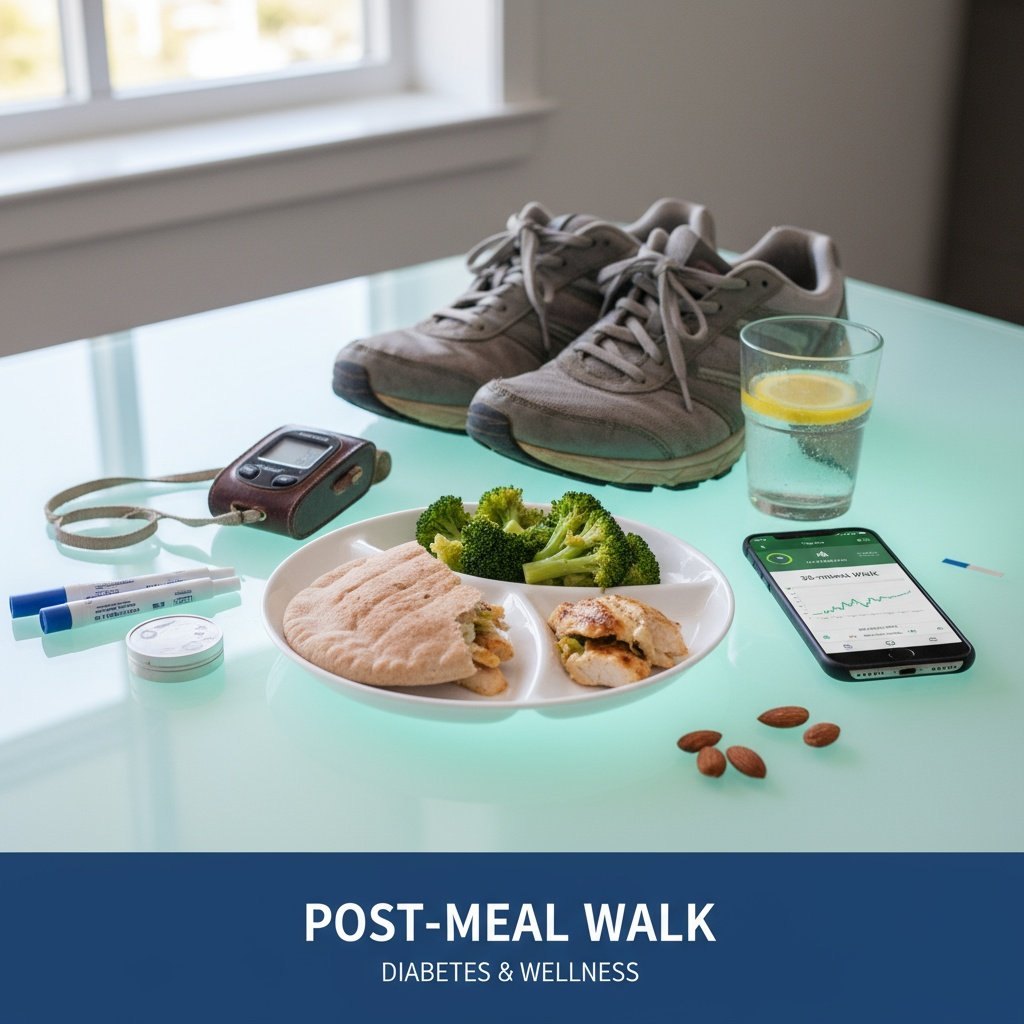
- Your Legs: The most crucial ingredient! Ready to move.
- Comfortable Shoes: Supportive and pain-free, essential for an enjoyable walk.
- A Watch or Timer: To keep track of those vital minutes.
- Hydration (Optional): A small water bottle, especially if you plan a longer stroll or it’s warm.
- A Positive Attitude: Seeing this as a simple, powerful step for your health makes all the difference!
Substitutions & Enhancements:
- No Outdoor Space? Try marching in place, walking laps in your living room, or using a treadmill.
- A Walking Buddy: A friend, family member, or even a pet can make walks more fun and help with consistency.
- Music or Podcast: To make the time fly by.
Introduction
Did you know that taking a short, easy walk after you eat could be one of the most effective ways to steady your blood sugar? For millions managing diabetes, hypertension, and heart health, controlling blood sugar spikes after meals is a constant challenge. The good news? You don’t need a strenuous workout to make a real difference. Today, we’re diving into the simple yet powerful science behind post-meal walk diabetes benefits, offering an actionable solution you can start using today.
Why It Matters
When you eat, especially meals rich in carbohydrates, your blood sugar levels naturally rise. For individuals with diabetes, this rise can be more pronounced and prolonged, leading to blood sugar spikes. Over time, frequent or high blood sugar spikes can damage blood vessels, increasing the risk of serious complications like heart disease, kidney problems, and nerve damage. Even for those without a diagnosed condition, maintaining stable blood sugar is crucial for overall energy, mood, and preventing future health issues. Studies have consistently shown that even light physical activity soon after eating can significantly reduce these post-meal blood sugar surges, often by 15-30% compared to sitting still. It’s a small effort with a big impact on your long-term health.
Step-by-Step Guide / Practical Tips
Ready to put this simple science into practice? Here’s how to make post-meal walking a beneficial part of your routine.
1. Timing is Key
The sweet spot for your walk is usually within 60 minutes after you finish eating. For many, starting around 15-30 minutes after the last bite is ideal. This is when your blood sugar is beginning to rise.
- ✅ Aim for 15-30 minutes post-meal.
- ✅ Don’t wait too long: The benefits lessen if you wait several hours.
2. Keep It Short and Sweet
You don’t need a marathon! Research shows that even a 10 to 15-minute walk can provide significant benefits. The goal is gentle movement, not intense exercise.
- ✅ Start with 10 minutes.
- ✅ Increase to 15-20 minutes as comfortable.
3. Focus on Light Intensity
This isn’t about breaking a sweat. A gentle stroll is perfect. You should be able to hold a conversation easily during your walk.
- ✅ Casual pace.
- ✅ Enjoy your surroundings!
4. Make It a Habit
Consistency is more important than intensity. Try to incorporate a short after-meal walk into your routine at least once a day, especially after your largest meal.
- ✅ Set a reminder on your phone.
- ✅ Pair it with another activity, like listening to a favorite podcast.
Expert Insight
💡 Quick Tip: Even standing for 10-15 minutes after a meal can offer some benefit if walking isn’t an option. Any movement is better than none!
Dr. John Smith, a metabolism researcher, notes, “Light muscle activity after eating helps your body use glucose (sugar) more efficiently. Your muscles act like sponges, soaking up circulating glucose, which helps lower blood sugar levels and reduces the burden on your pancreas.” Another study published in the Journal of Diabetes Care highlighted that structured post-meal walking significantly reduced total daily glucose area under the curve in individuals with type 2 diabetes. This means better overall blood sugar control throughout the day.
Common Mistakes to Avoid
Even a simple habit can have pitfalls. Here’s what to look out for.
- Mistake 1: Exercising Too Intensely:
- Correction: Remember, it’s a stroll, not a sprint. High-intensity exercise right after a meal can sometimes disrupt digestion or cause discomfort.
- Mistake 2: Waiting Too Long to Walk:
- Correction: The peak blood sugar rise typically occurs 60-90 minutes after eating. Walking before this peak is crucial to blunt the spike effectively.
- Mistake 3: Skipping Walks on “Busy” Days:
- Correction: Even a 5-minute walk around the house or office is better than nothing. Consistency is key for long-term benefits.
- Mistake 4: Not Hydrating:
- Correction: While not always necessary for a short walk, staying well-hydrated throughout the day supports overall metabolic health and energy levels.
How to Track or Apply It
Making a new habit stick is easier with a plan. Start by choosing one meal each day – perhaps dinner, as it’s often your largest and followed by less activity – and commit to a 10-15 minute walk afterward.
You can log your walks using a simple notebook, a fitness tracker, or your phone’s health app. Seeing your progress can be incredibly motivating! Consider using the StopComplications free tools available on our website to track your blood sugar readings before and after your walks, helping you see the direct positive impact. This personal data can reinforce the benefits and encourage continuous daily engagement.
Conclusion
Incorporating a short, gentle walk after meals is a remarkably simple, drug-free strategy to significantly impact your blood sugar management, support heart health, and reduce the risks associated with chronic conditions. This isn’t about drastic changes; it’s about consistently applying a small, powerful habit. Small steps today can prevent big complications tomorrow.
Ready to take control of your health with simple, evidence-based strategies? Visit StopComplications.com today for free tools, ebooks, and more expert advice to help you on your journey to better health!
FAQs
Q: How soon after eating should I start my walk?AA: Aim to start your walk within 15-30 minutes after finishing your meal for the best blood sugar benefits.
Q: Does it matter what I eat before I walk?AA: While managing your diet is crucial, a post-meal walk is beneficial no matter what you’ve eaten. However, it’s particularly effective after meals with higher carbohydrate content.
Q: What if I have joint pain and can’t walk much?AA: Even gentle movement like standing, marching slowly in place, or doing chair-based exercises can offer some benefits. Consult your doctor or a physical therapist for safe ways to incorporate movement.
Q: Can I do higher intensity exercise after a meal instead?AA: For blood sugar management right after a meal, a gentle walk is generally more effective and comfortable. Higher intensity exercise can be beneficial at other times but may not target post-meal blood sugar spikes in the same way, and can sometimes cause digestive upset.