Did you know that over 37 million Americans have diabetes, and a significant percentage of them will experience foot complications? It’s a sobering statistic, but one that highlights a critical truth: our feet, often overlooked, are powerful indicators of our overall health, especially for those managing chronic conditions like diabetes and hypertension. Today, we’re diving deep into the vital practice of regular foot checks — a simple yet incredibly effective habit that can literally save your limbs and well-being. Understanding and performing a daily diabetic foot exam is not just recommended; it’s a non-negotiable part of proactive health management.
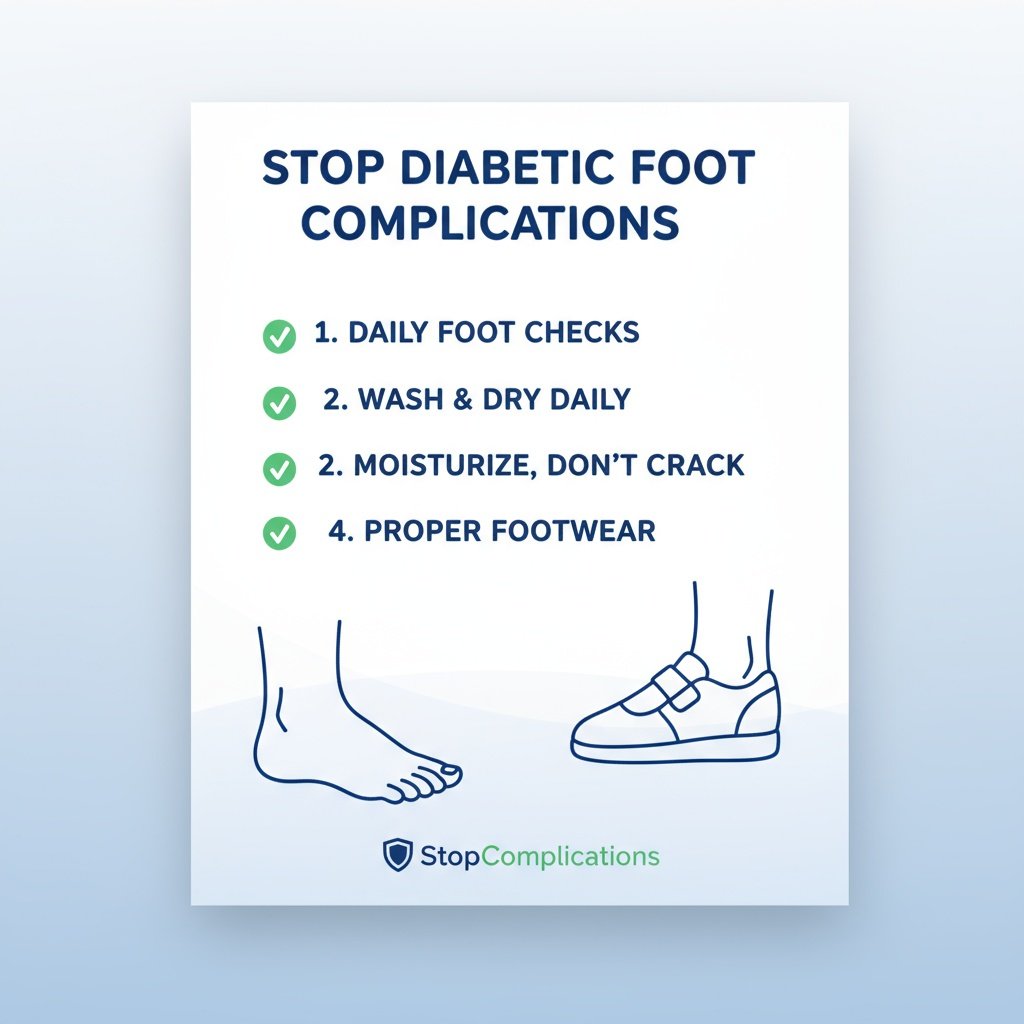
Why It Matters: Protecting Your Foundation
For individuals with diabetes, high blood pressure, or heart disease, the feet are often the first place where subtle changes can signal bigger problems. High blood sugar can damage nerves (neuropathy) and reduce blood flow (peripheral artery disease), leading to a loss of sensation and slower healing. This means a small cut or blister can go unnoticed and quickly become a serious infection. Untreated, these issues can lead to ulcers, gangrene, and even amputation. Hypertension can also impact circulation, compounding these risks. Regular foot vigilance isn’t about fear; it’s about empowerment and taking control of your health journey.
Your Step-by-Step Daily Foot Check Guide
Making a daily foot check a habit takes just a few minutes but provides immense peace of mind. Here’s how to do your own diabetic foot exam effectively:
Step 1: Visual Inspection
Start by looking closely at your feet, tops and bottoms. Sit down, place your foot on your lap, or use a mirror for hard-to-see areas like the soles and heels.
- ✅ Check for cuts, blisters, sores, redness, swelling, or changes in skin color.
- ✅ Look between your toes for cracks or peeling skin.
- ✅ Note any unusual changes in nail color or thickness.
Step 2: Feel for Changes
Gently touch different areas of your feet.
- ✅ Feel for temperature differences – are some areas unusually warm or cool?
- ✅ Check for lumps, bumps, or tender spots.
Step 3: Wiggle Your Toes & Rotate Ankles
Simple movements can help you notice any stiffness or pain.
- ✅ Are your joints moving smoothly?
- ✅ Does anything feel unusual or cause discomfort?
Step 4: Examine Your Shoes & Socks
Your footwear plays a huge role in foot health.
- ✅ Before putting on shoes, check inside for foreign objects, rough seams, or worn areas.
- ✅ Wear clean, dry socks daily. Look for socks that are not too tight and wick away moisture.
Step 5: Moisturize (But Not Between Toes!)
Keeping your skin hydrated prevents cracks.
- ✅ Apply a good quality moisturizer to your feet daily, avoiding the areas between your toes to prevent fungal growth.
Expert Insight: The Silent Symptoms
💡 Quick Tip: Nerve damage from diabetes can mask pain, meaning a serious issue might not hurt. This is why visual checks are paramount. Similarly, poor circulation due to heart conditions or hypertension can delay healing, turning minor injuries into chronic wounds. Early detection is your best defense.
Common Mistakes to Avoid
Many well-intentioned individuals make small errors that can have big consequences.
- Mistake 1: Ignoring Minor Issues. Correction: Even a small blister or callus warrants attention. Don’t try to treat it yourself; contact your healthcare provider.
- Mistake 2: Walking Barefoot. Correction: Always wear protective footwear, even indoors, to prevent injuries that might go unnoticed.
- Mistake 3: Cutting Toenails Improperly. Correction: Trim nails straight across, not curved, to prevent ingrown toenails. If you have difficulty, seek help from a podiatrist.
- Mistake 4: Using Harsh Chemicals on Feet. Correction: Avoid strong antiseptics, corn removers, or razor blades. These can damage delicate skin.
- Mistake 5: Relying Solely on Your Doctor’s Checks. Correction: While professional exams are crucial, daily self-checks are your primary line of defense.
How to Track Your Foot Health
Making daily foot checks a consistent habit is key. You can integrate this into your daily routine, perhaps when you’re getting dressed or showering. Consider using a simple log or journal to note any observations, changes, or concerns. This creates a valuable record to share with your healthcare team. StopComplications offers free tools and resources, including printable trackers, to help you stay on top of your health, including dedicated sections for chronic disease management. Utilizing StopComplications free tools can make this process seamless and effective.
Conclusion: Small Steps, Big Impact
The power of a daily diabetic foot exam cannot be overstated. It’s a simple, proactive step that empowers you to detect potential problems early, prevent complications, and maintain your independence and quality of life. Remember, your feet are your foundation – caring for them is caring for your entire body. Small steps today can prevent big complications tomorrow.
Ready to take control of your foot health and overall well-being? Visit StopComplications.com today to download our free Foot Health Guide and other essential tools designed to help you live a healthier, complication-free life!
Frequently Asked Questions
Q: How often should I perform a foot check if I have diabetes?
A: You should perform a thorough visual inspection of your feet every single day. Look for any changes, no matter how small.
Q: What should I do if I find a cut or blister on my foot?
A: Do not try to treat it yourself. Wash the area gently with soap and water, apply a clean bandage, and contact your healthcare provider or podiatrist immediately.
Q: Can I still get foot complications if my blood sugar is well-controlled?
A: While good blood sugar control significantly reduces the risk, it doesn’t eliminate it entirely. Nerve damage and circulation issues can still occur, especially if you’ve had diabetes for many years. Daily checks remain vital.
Q: Should I see a podiatrist regularly, even if my feet feel fine?
A: Yes, annual appointments with a podiatrist are highly recommended for individuals with diabetes, hypertension, or heart conditions. They can perform specialized tests, trim nails safely, and address any concerns before they become serious.