Table of Contents
Simple, evidence-based nutrition tips for healthy BP.
Are you looking for natural ways to support your heart health and keep your blood pressure in check? High blood pressure, or hypertension, affects millions worldwide, often silently increasing the risk of serious conditions like heart disease and stroke. But the good news is, your diet plays a powerful role! Incorporating specific foods to lower blood pressure can be a delicious and effective strategy. In this comprehensive guide, we’ll explore 10 incredible foods to lower blood pressure naturally, offering practical tips and actionable advice to empower you on your wellness journey.
Ingredients List
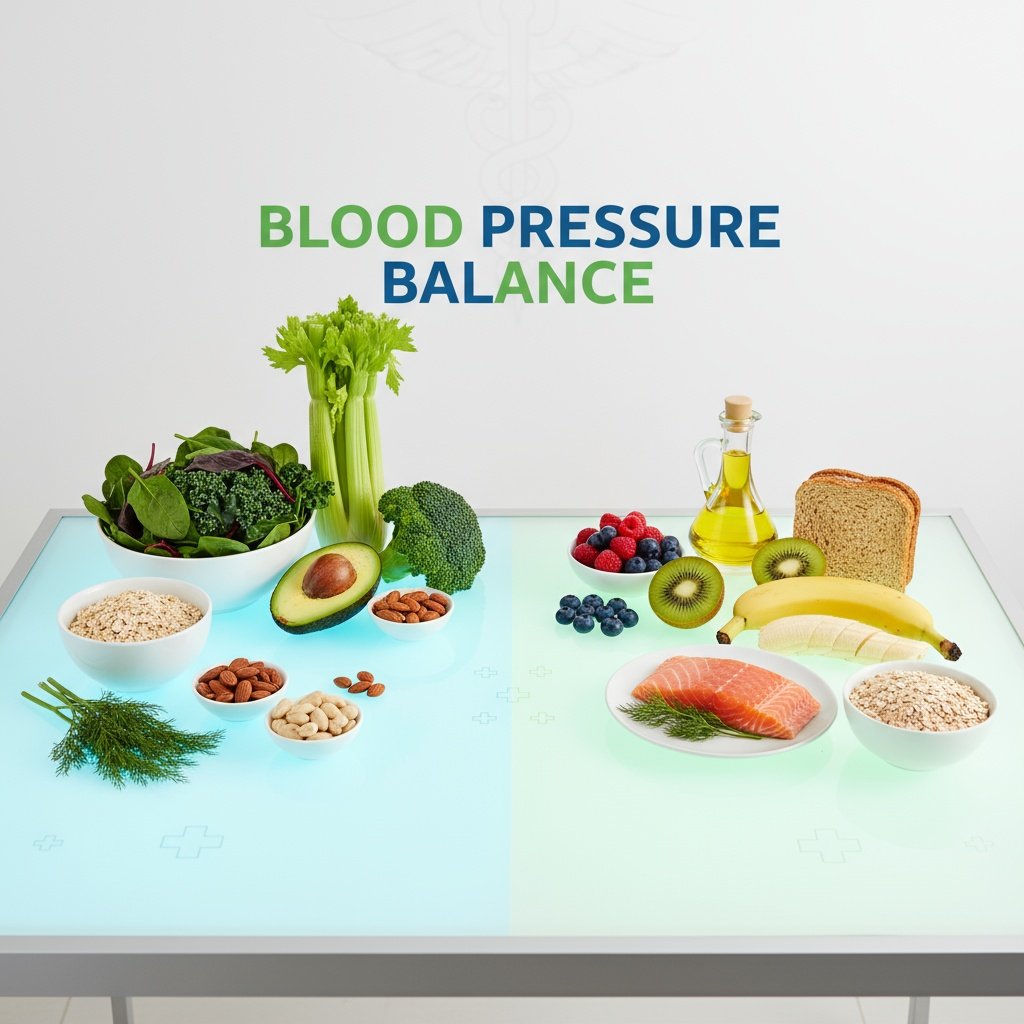
Here are the star players in your journey to a healthier blood pressure:
- Leafy Green Vegetables: Spinach, kale, collard greens. (Substitution: Swiss chard, romaine lettuce)
- Berries: Blueberries, strawberries, raspberries. (Substitution: Cherries, blackberries)
- Bananas: Ripe and ready. (Substitution: Avocados, oranges)
- Oats: Rolled oats, steel-cut oats. (Substitution: Quinoa, brown rice)
- Garlic: Fresh cloves are best. (Substitution: Garlic powder, chives)
- Fatty Fish: Salmon, mackerel, sardines. (Substitution: Flaxseeds, walnuts for plant-based omega-3s)
- Beets: Raw, roasted, or juiced. (Substitution: Arugula, radishes)
- Citrus Fruits: Oranges, grapefruit, lemons. (Substitution: Kiwi, bell peppers)
- Seeds: Chia seeds, flaxseeds, pumpkin seeds. (Substitution: Almonds, pistachios)
- Legumes: Lentils, beans (black beans, chickpeas). (Substitution: Peas, edamame)
Introduction
Did you know that nearly half of all adults in the United States have high blood pressure, and many don’t even realize it? This silent threat can significantly impact your long-term health. While medication can be crucial, lifestyle changes, especially dietary ones, are incredibly powerful first lines of defense. You don’t have to overhaul your entire eating routine overnight. Instead, we’ll focus on introducing delicious, everyday foods to lower blood pressure that can make a real difference. Get ready to discover simple, actionable ways to support your cardiovascular system!
Why It Matters
For individuals managing chronic conditions like diabetes or pre-diabetes, and those at risk for heart disease, maintaining healthy blood pressure is paramount. High blood pressure strains your heart and blood vessels, making them work harder. Over time, this can lead to serious complications such as heart attack, stroke, and kidney damage. Studies show that even a modest reduction in blood pressure through diet can significantly decrease these risks. Think of it this way: nourishing your body with foods to lower blood pressure is like giving your heart a well-deserved vacation, allowing it to function more smoothly and efficiently.
Step-by-Step Guide / Practical Tips
Ready to start incorporating these blood pressure-friendly foods into your daily meals? Here’s how you can do it:
💪 Embrace Leafy Greens Daily
- Add a handful of spinach to your morning smoothie.
- Swap iceberg lettuce for kale in your salads.
- Sauté collard greens as a side dish for dinner.
- ✅ Aim for at least one serving with lunch and dinner.
🫐 Berry Boost for Breakfast and Snacks
- Top your oatmeal or yogurt with a generous half-cup of blueberries.
- Snack on a bowl of fresh strawberries.
- Blend raspberries into a refreshing drink.
- ✅ Berries are packed with antioxidants and compounds that help relax blood vessels.
🍌 Potassium Power with Bananas
- Enjoy a banana as a convenient snack.
- Slice it over whole-grain cereal.
- Add bananas to your post-workout shake.
- ✅ Potassium helps counteract the effects of sodium, a key player in blood pressure regulation.
🌾 Start Your Day with Oats
- Prepare a warm bowl of steel-cut or rolled oats.
- Blend oats into baking recipes for added fiber.
- ✅ Soluble fiber in oats can help improve cholesterol levels and, consequently, blood pressure.
🧄 Flavor Up with Garlic
- Chop fresh garlic into stir-fries, sauces, and soups.
- Roast whole garlic cloves to spread on whole-wheat toast.
- ✅ Garlic compounds have been shown to help relax blood vessels.
🐟 Omega-3s from Fatty Fish
- Aim for two servings of salmon or mackerel per week.
- Try grilled, baked, or broiled preparations.
- 💡 Quick Tip: If you’re not a fan of fish, ground flaxseeds or chia seeds offer plant-based omega-3s.
Expert Insight
“The dietary approaches to stop hypertension (DASH) diet, rich in fruits, vegetables, whole grains, and lean protein, consistently demonstrates significant reductions in blood pressure. It’s not just about one food, but the synergistic effect of a balanced, nutritious eating pattern,” says Dr. Emily R. Carter, a renowned nutritionist specializing in cardiovascular health.
Another compelling insight comes from a meta-analysis published in the Journal of Hypertension, which concluded that increasing fruit and vegetable intake is a fundamental strategy for blood pressure control, offering benefits comparable to some medications.
Common Mistakes to Avoid
- Expecting Overnight Results: Blood pressure changes take time. Don’t get discouraged if you don’t see immediate drops. Consistency is key. ✨ Correction: Focus on making sustainable changes and track your progress over weeks, not days.
- Over-relying on “Superfoods” Alone: While individual foods are beneficial, a holistic approach is vital. Eating one healthy food while consuming excessive processed items won’t be as effective. ✨ Correction: Integrate these foods into an overall balanced diet that limits processed foods, added sugars, and unhealthy fats.
- Ignoring Sodium Intake: Even with healthy foods, high sodium can counteract your efforts. Many processed foods, even seemingly healthy ones, are loaded with sodium. ✨ Correction: Always check food labels for sodium content and choose low-sodium options where available. Cook at home to control sodium.
- Substituting Healthy Fats for Unhealthy Ones: Not all fats are equal. While some fish and seeds offer beneficial fats, consuming excessive saturated or trans fats can worsen heart health. ✨ Correction: Opt for healthy unsaturated fats found in avocados, nuts, and olive oil, and limit animal fats.
How to Track or Apply It
Making these dietary changes stick can be easier with a plan. Start by choosing 2-3 new foods to lower blood pressure from the list to incorporate this week. Use a simple food journal or a habit tracking app on your phone to log your intake. For more structured guidance, consider using one of the StopComplications free tools like a meal planner or a food diary template. This will help you visualize your progress and identify areas where you can add more beneficial foods. Remember, every small, consistent step contributes to better health.
Conclusion
Taking control of your blood pressure can significantly improve your quality of life and reduce your risk of serious health complications. By prioritizing delicious, nutrient-rich foods to lower blood pressure like leafy greens, berries, oats, and fatty fish, you’re making powerful choices for your heart. These simple dietary shifts, combined with an overall healthy lifestyle, are foundational for prevention and management. Small steps today can prevent big complications tomorrow.
Ready to take the next step on your wellness journey? Visit StopComplications.com today to access our free comprehensive guides, eBooks, and tracking tools designed to help you manage chronic conditions and live a healthier life.
FAQs
Q: How quickly can I expect to see results by eating these foods?
A: While individual results vary, consistent incorporation of these foods, along with other healthy lifestyle changes, can start to show positive effects on blood pressure within a few weeks to a couple of months. Regular monitoring is key.
Q: Do I need to completely cut out all other foods to lower my blood pressure?
A: Not necessarily. The goal is to incorporate more of these beneficial foods while reducing your intake of high-sodium, highly processed foods, and unhealthy fats. A balanced approach is more sustainable and effective.
Q: Can these foods replace blood pressure medication?
A: It is crucial to consult your doctor before making any changes to your medication regimen. While diet plays a significant role, it should complement, not replace, medical advice and prescribed treatments.
Q: Are there any specific foods I should avoid if I have high blood pressure?
A: Yes. It’s generally recommended to limit high-sodium foods (processed snacks, canned soups, deli meats), excessive added sugars, and foods high in saturated and trans fats. Focus on whole, unprocessed foods.