Table of Contents
Introduction
Did you know nearly half of all adults in the United States have high blood pressure, yet many don’t even realize it? This silent threat, also known as hypertension, can lead to serious health problems like heart disease and stroke. The good news? You have the power to control it! In this post, we’re going to explore the 10 common blood pressure mistakes that might be sabotaging your health, and more importantly, give you actionable solutions to turn things around. Get ready to transform your approach and safeguard your future.
Why It Matters
High blood pressure isn’t just a number; it’s a significant risk factor for chronic conditions. For individuals managing diabetes, elevated blood pressure can accelerate kidney damage and increase the risk of heart complications. Statistics show that people with hypertension are four times more likely to die from a stroke and three times more likely to die from heart disease. Taking control of your blood pressure today is one of the most impactful steps you can take to prevent these serious outcomes and live a longer, healthier life.
Step-by-Step Guide / Practical Tips
1. Watch Your Sodium Intake
Many of us consume way more sodium than we realize, often hidden in processed foods.
- ✅ Read food labels carefully.
- ✅ Choose fresh foods over packaged ones.
- ✅ Use herbs and spices for flavor instead of salt.
2. Embrace a Balanced Diet
Your plate is a powerful tool for blood pressure management.
- ✅ Focus on fruits, vegetables, and whole grains.
- ✅ Include lean proteins and healthy fats.
- ✅ Limit sugary drinks and unhealthy snacks.
3. Get Moving Regularly
Physical activity is a natural blood pressure reducer.
- ✅ Aim for at least 30 minutes of moderate exercise most days of the week.
- ✅ Even short walks throughout the day add up.
- ✅ Find activities you enjoy to make it sustainable.
4. Manage Your Stress
Stress can cause temporary spikes in blood pressure and contribute to unhealthy habits.
- ✅ Practice deep breathing or meditation.
- ✅ Make time for hobbies and relaxation.
- ✅ Consider talking to a therapist if stress feels overwhelming.
5. Prioritize Quality Sleep
Lack of sleep can impact your blood pressure over time.
- ✅ Aim for 7-9 hours of sleep per night.
- ✅ Create a relaxing bedtime routine.
- ✅ Avoid caffeine and screens before bed.
Expert Insight
💡 Quick Tip: Even a small amount of weight loss can make a big difference in lowering your blood pressure if you are overweight or obese.
Regular monitoring at home, in addition to doctor visits, has been shown to improve blood pressure control rates by up to 25%. Consistency is key!
Common Blood Pressure Mistakes to Avoid
Here are some common blood pressure mistakes that can hinder your progress:
Mistake 1: Ignoring Your Numbers Because You Feel Fine
- Correction: High blood pressure often has no symptoms. Regular blood pressure checks are crucial to catch it early and keep it in check, even if you feel perfectly healthy.
Mistake 2: Stopping Medication When Your Pressure Looks Good
- Correction: Never stop or adjust your medication without consulting your doctor. Your blood pressure might look good because the medication is working.
Mistake 3: Relying Solely on “Low-Salt” Labels
- Correction: “Low-salt” doesn’t always mean low sodium. Always check the nutrition facts panel for the actual sodium content. Many processed foods, even those not tasting salty, are packed with sodium.
Mistake 4: Drinking Too Much Alcohol
- Correction: Excessive alcohol consumption can raise blood pressure. Limit consumption to one drink per day for women and up to two for men.
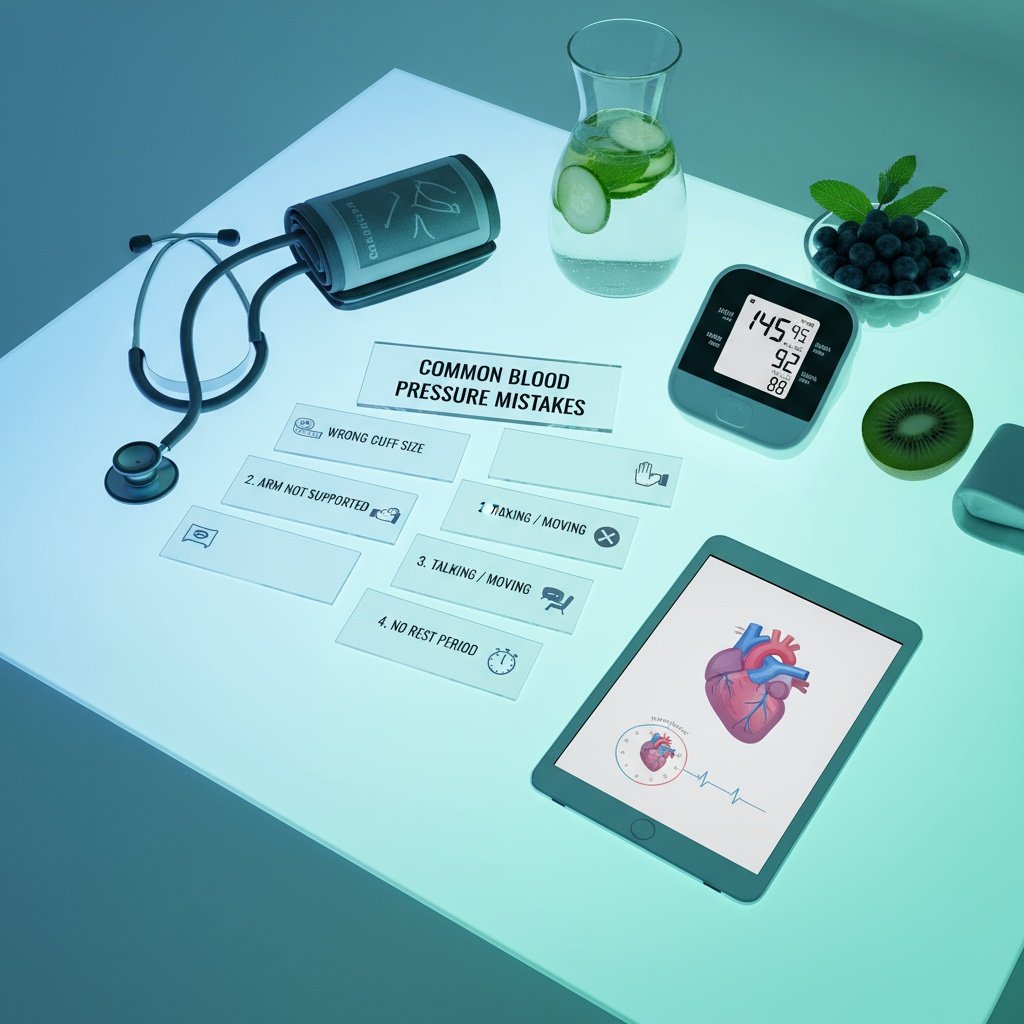
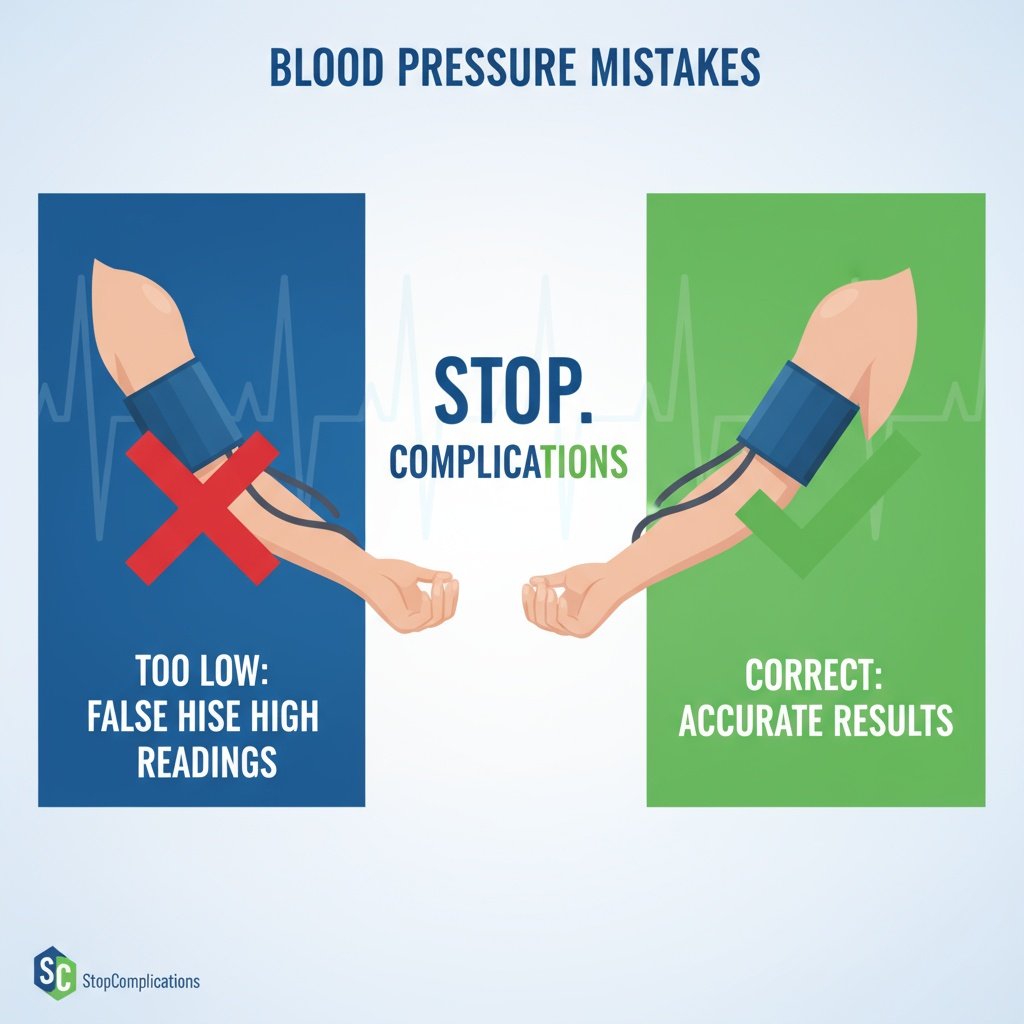
Mistake 5: Not Checking Blood Pressure at Home Correctly
- Correction: Ensure you’re using a validated, well-fitting cuff, sitting correctly with your arm supported at heart level, and taking readings at consistent times. Inaccurate readings can lead to wrong treatment decisions.
How to Track or Apply It
Applying these tips effectively means staying consistent and monitoring your progress. Start by making one small change at a time, like swapping out a high-sodium snack for a piece of fruit. Keep a food diary to notice hidden sodium sources. For your physical activity, use a pedometer or fitness tracker to ensure you’re getting enough steps.
Regularly track your blood pressure at home using a reliable monitor. Jot down your readings in a notebook or use an app. This gives you and your doctor valuable insights. To help you stay on top of all these critical health numbers, consider using StopComplications free tools designed to simplify tracking and understanding your health journey.
Conclusion
Avoiding these common blood pressure mistakes empowers you to take control of your health. By making informed lifestyle choices, being consistent with monitoring, and working closely with your healthcare provider, you can significantly reduce your risk of serious complications. Remember, small steps today can prevent big complications tomorrow.
Ready to take the next step on your health journey?
FAQs
Q: Can stress really raise my blood pressure long-term?AA: While stress can cause temporary spikes, chronic stress can contribute to long-term elevated blood pressure by promoting unhealthy coping mechanisms like overeating or inactivity, and through physiological responses.
Q: How often should I check my blood pressure at home?AA: If you have high blood pressure, your doctor might recommend daily checks. If your blood pressure is normal, occasional checks are usually sufficient. Always follow your doctor’s specific advice.
Q: Are there natural ways to lower blood pressure without medication?AA: Lifestyle changes like a healthy diet (DASH diet), regular exercise, maintaining a healthy weight, reducing sodium intake, and managing stress can significantly lower blood pressure, and in some cases, may even reduce the need for medication. However, always discuss this with your doctor.
Q: What’s the ideal blood pressure reading?AA: Generally, a blood pressure reading of less than 120/80 mmHg is considered normal. Readings consistently above this, especially 130/80 mmHg or higher, usually indicate hypertension.